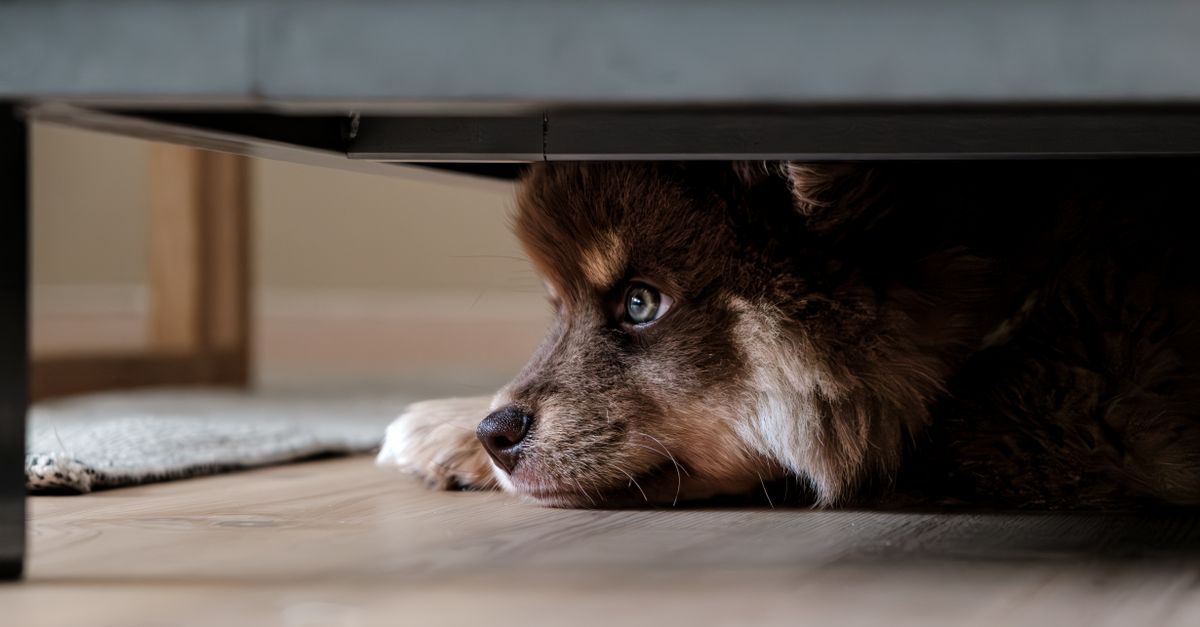
Is your once car-loving canine companion now resisting every attempt to get into the car, drooling excessively, or even showing signs of anxiety like panting and whining the moment you reach for the keys? I’ve seen this sudden aversion many times in my career as a dog trainer, and the frustration is palpable for pet parents. What was once a fun adventure or a necessary errand has become a battle, leaving you wondering what went wrong. You might automatically assume it’s car sickness, but in my experience, that’s often just the tip of the iceberg. The real culprits are often subtle, overlooked factors that accumulate over time, turning the car into a source of dread rather than excitement.
My own dog, a spirited Labrador mix named Buster, went through a period where he would actively try to hide when he saw me pick up the car keys. This was a dog who used to leap into the car with joy! I initially thought he was just being stubborn, but after some careful observation and applying the principles I’ll share, I discovered it was a combination of mild discomfort and a few negative associations that had silently piled up. What changed everything for us, and what I want to help you understand, is that addressing a dog’s fear of the car requires more than just popping an anti-nausea pill. It demands a holistic look at their experience, from the physical sensations to the emotional baggage.
Key Takeaways
- Sudden car aversion in dogs often stems from subtle, accumulated negative experiences, not just motion sickness.
- Unaddressed physical discomfort, like back pain or ill-fitting harnesses, can make car rides a painful ordeal.
- Negative associations, such as frequent stressful vet visits, can poison a dog’s perception of car travel.
- Proactive, positive desensitization, coupled with identifying and eliminating discomfort, is crucial for long-term success.
- Investing in proper car safety gear and creating a comfortable, secure environment significantly reduces anxiety.
1. The Accumulation of Micro-Negative Experiences: It’s Not One Bad Ride
Most pet parents assume a dog’s sudden aversion to the car must be due to one traumatic event or severe motion sickness. In my experience, it’s rarely that dramatic. More often, it’s the accumulation of many small, slightly unpleasant or anxiety-inducing ‘micro-negative’ experiences that slowly poisons their perception of car travel. Think of it like a leaky bucket – one drip isn’t much, but over time, it empties the whole thing.
For example, I worked with a client whose Golden Retriever, Daisy, started resisting car rides. Her owner was baffled because Daisy had always loved the car. Upon investigation, we uncovered several small issues: she had been riding unrestrained in the back seat, occasionally sliding on sharp turns; her vet visits (which always involved the car) had become more frequent and stressful due to a chronic ear infection; and the car was always quite warm, making her pant more, especially in her thick coat. None of these were catastrophic on their own, but together, they created a consistent pattern: Car Ride = Uncomfortable + Stressful Destination + Overheating.
What truly changed Daisy’s perspective was recognizing and addressing all these minor stressors. We introduced a secure, well-ventilated crate, started using positive reinforcement for just approaching the car, and practiced short, fun trips to the park or for ice cream, completely unrelated to the vet. The key insight here is that you need to become a detective. Don’t just look for a single, obvious cause. Instead, audit every aspect of the car experience from your dog’s perspective. Does the car always smell like the vet clinic? Are they constantly trying to brace themselves? Is the music too loud? Each tiny discomfort chips away at their positive association.
2. Unaddressed Physical Discomfort: More Than Just Motion Sickness
While motion sickness is a common culprit, many physical discomforts are overlooked because they don’t involve vomiting. A dog might hate the car because it’s genuinely painful or uncomfortable, and they can’t tell you why. In my practice, I’ve seen everything from subtle back pain to an ill-fitting car harness turn a joyful traveler into a car-phobic mess.
Consider the mechanics: a dog in a moving vehicle experiences shifts, bumps, and vibrations. If they have an underlying orthopedic issue like hip dysplasia, arthritis, a pulled muscle, or even an old injury, every jostle can send a jolt of pain. An ill-fitting harness might chafe, dig in, or even shift uncomfortably during a sudden stop, causing discomfort that the dog associates directly with the car. For smaller dogs, a carrier that’s too small or one that slides around can cause constant unease and even injury.
I recall working with a client whose elderly Beagle, Maggie, suddenly refused to get into the car. The owner swore Maggie wasn’t carsick, but the resistance was undeniable. A visit to the vet revealed early signs of arthritis in her spine. The act of jumping into the car, and then the minor vibrations and turns, were painful. What made the difference was a combination of pain management prescribed by the vet, a ramp to help her get in and out, and a memory foam bed in a secure crate that cushioned her from bumps. Before assuming it’s behavioral, always rule out physical pain with a veterinary check-up. This is a non-negotiable step.
3. The ‘Vet Visit’ and ‘Groomer’ Association: Poisoning the Well
For many dogs, the car is a portal to places they don’t enjoy: the vet, the groomer, or even the dreaded bath at a friend’s house. If the only or most frequent destinations are unpleasant, it’s completely logical for a dog to develop a negative association with the vehicle itself. They’re not stupid; they learn the sequence of events quickly: Car Ride = Stressful Outcome.
I’ve seen this dynamic repeatedly. Owners will say, “My dog hates the car!” but then admit that 90% of their car trips are to the vet. Even if the vet is wonderful, for many dogs, it still involves being poked, prodded, or separated from their owner for procedures. The same goes for grooming, especially for dogs who find baths or nail trims stressful. The car becomes the harbinger of bad things.
What truly works to counteract this is a deliberate effort to rebalance the scales with overwhelmingly positive experiences. This means: for every stressful trip, commit to at least three or four fun trips. These can be short drives around the block, a quick stop for a special treat, a visit to a dog-friendly park, or even just sitting in the parked car with a high-value chew. The goal is to flood their memory with positive car associations. I often advise clients to keep a special car-only toy or treat that only appears during pleasant car-related activities, making the car a source of joy, not just anxiety. You need to proactively change the car’s ‘meaning’ for your dog.
4. Inadequate Car Safety and Comfort Setup: More Than Just a Seatbelt
Many pet owners focus on strapping their dog in, but often overlook the actual comfort and security of the setup. An insecure setup can lead to anxiety, fear, and even injury, all of which contribute to a dog suddenly hating car rides. Imagine riding in a vehicle where you’re constantly sliding, jostling, and have no stable footing – it would be terrifying and uncomfortable for you too.
This isn’t just about a seatbelt. It’s about the entire environment within the car. Factors like: slippery car seats (leather or slick fabric), a harness that doesn’t fit properly and allows too much movement, a crate that isn’t secured and slides around, lack of proper ventilation, or even excessive heat or cold can make a dog miserable. Small dogs who can’t see out the window might experience anxiety because they can’t perceive their surroundings, making them feel trapped.
When I was troubleshooting Buster’s car aversion, I realized his dog seatbelt allowed too much side-to-side motion, and the back seat was quite slippery. He was constantly struggling to brace himself, which likely contributed to his growing discomfort. My solution involved investing in a crash-tested car crate that was securely anchored in the back. This provided him with a den-like space, stable footing, and protection from sudden stops. For dogs not comfortable with crates, a secure car seat designed for dogs with a proper anchor and a comfortable, non-slip base, or a well-fitting car harness connected to a seatbelt anchor (after ensuring it’s genuinely comfortable and non-chafing), can make a world of difference. Proper car safety isn’t just about preventing injury; it’s about providing a sense of security that profoundly impacts a dog’s emotional state during travel.
5. Subtle Changes in the Car Itself or Driving Habits
Dogs are creatures of routine and habit, and they are incredibly sensitive to subtle changes in their environment. Sometimes, a dog’s sudden hatred of the car isn’t about them at all, but about a change in the car’s performance or your driving habits that you might not even consciously notice. This is a often-overlooked area, but in my experience, it can be a significant factor.
Has the car recently had maintenance that resulted in a new, unfamiliar smell? Is there a new rattling noise that only occurs at certain speeds? Did you recently change your tires, creating a different sound or vibration profile? Or, perhaps your driving habits have subtly changed. Are you accelerating or braking more sharply due to increased traffic or stress? Are your routes more winding, causing more motion for your dog? Are you now playing louder music, or a different genre of music, that might be unsettling to their sensitive ears?
I once had a client whose otherwise unflappable Rottweiler, Brutus, began trembling and drooling every time he got in the car. After exploring all other avenues, we realized the owner had recently started commuting through a new, extremely bumpy construction zone. The constant jarring was simply too much for Brutus, who was already a large, heavy dog. The solution involved adjusting the route for a few weeks until the construction cleared and introducing soft, cushioned bedding to absorb some of the shock. Always consider if there have been any changes, however minor, to the vehicle itself or the way you operate it. Our dogs pick up on these nuances far more than we give them credit for.
Frequently Asked Questions
Q1: My dog used to love the car, but now refuses to get in. What’s the first thing I should do?
A1: The absolute first step is a full veterinary check-up to rule out any underlying pain, discomfort, or medical conditions (like arthritis, pulled muscles, or even ear infections) that could be making car rides painful. Many behavioral issues stem from unaddressed physical problems.
Q2: How can I make the car a positive place for my dog if they’re already anxious?
A2: Start with very small, positive interactions. Don’t even turn the car on initially. Just sit with your dog in the car, give high-value treats and praise, then get out. Gradually increase the duration, turn on the engine briefly, then take very short, fun trips (e.g., to a park, not the vet). Use special ‘car-only’ toys or chews to build strong positive associations.
Q3: My dog drools excessively and pants during car rides. Is this just motion sickness?
A3: While drooling and panting can be signs of motion sickness, they are also classic signs of anxiety. It’s crucial to differentiate. If there’s no vomiting but significant drooling and panting, anxiety is highly likely. Address comfort, security, and positive associations, and consult your vet for anti-anxiety medication if needed.
Q4: What kind of car safety gear is best for an anxious dog?
A4: A crash-tested dog crate, properly secured in the vehicle, often provides the most security and a den-like feel, which can reduce anxiety. For dogs not comfortable with crates, a secure, comfortable dog car seat with a booster (for smaller dogs to see out) or a crash-tested car harness connected to a seatbelt anchor are good alternatives. Ensure any setup prevents sliding and offers stable footing.
Q5: How long does it take to re-train a dog to enjoy car rides?
A5: There’s no fixed timeline, as it depends on the severity of the aversion and consistency of your efforts. It could take weeks to several months. Patience and consistency are key. Celebrate small victories, avoid forcing your dog, and always end sessions on a positive note. If progress is slow, consider consulting a certified professional dog trainer or veterinary behaviorist.
Conclusion
Watching your once enthusiastic dog transform into a car-hater can be incredibly disheartening. But what I’ve learned, both personally and professionally, is that this shift is rarely arbitrary. It’s almost always a clear signal that something in their car experience has become consistently unpleasant, whether it’s subtle physical discomfort, a string of negative associations, or a combination of many overlooked factors. The key isn’t to force them into compliance but to become their advocate, meticulously identifying and addressing the root causes of their distress.
By taking the time to conduct a thorough audit of their car environment, seeking veterinary clearance for any underlying pain, and committing to a consistent, positive re-training approach, you can transform the car from a source of dread back into a comfortable, even exciting, mode of transport. Remember, your dog isn’t being difficult; they’re communicating a need. Listen to them, make the necessary changes, and watch their confidence, and enjoyment, return. The journey to a happy car traveler starts with understanding and empathy, and it’s a journey well worth taking.