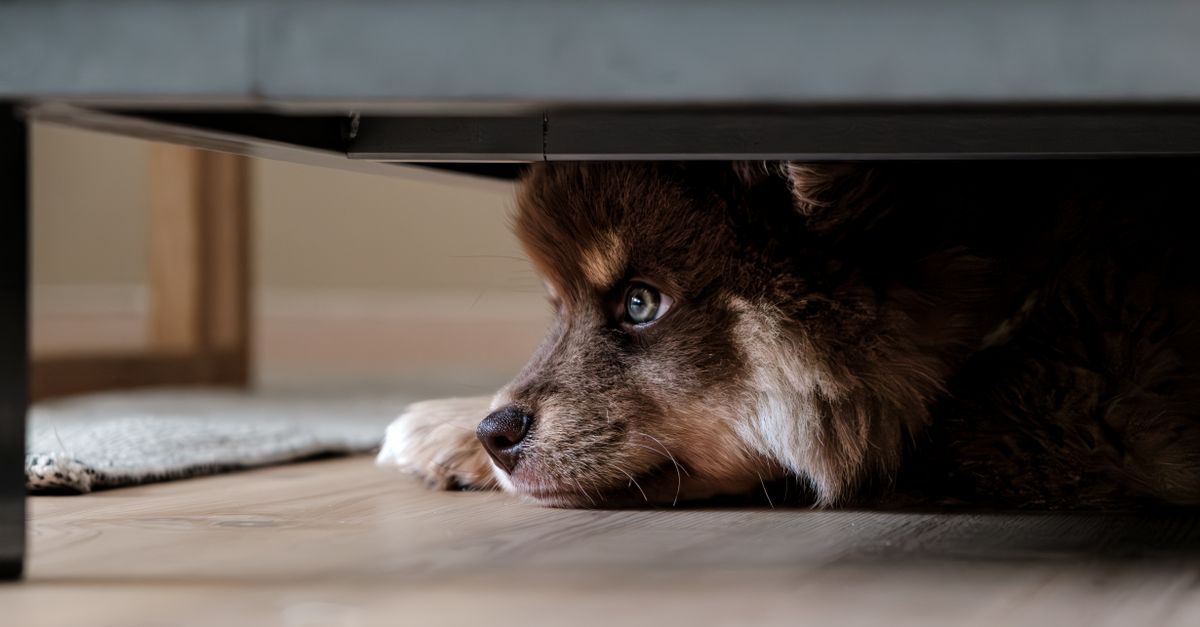
Every dog owner has been there: the sky darkens, the first drops fall, and your normally eager pup suddenly transforms into a reluctant, cowering creature. What used to be an exciting walk or quick potty break becomes a wrestling match, a tug-of-war with a leash, or a desperate sprint back indoors. You might chalk it up to a general dislike for getting wet, but in my experience training countless dogs (and living with my own rain-averse Labrador), it’s rarely that simple. The truth is, a dog’s aversion to rain often stems from a complex interplay of sensory sensitivities, fear responses, and even our own unwitting contributions. Understanding these deeper roots is the only way to genuinely help your dog cope, and even thrive, on a rainy day.
I used to think my lab, Gus, was just being dramatic. He’d stand at the door, nose twitching, then back away as if the rain itself was a physical threat. I tried coaxing him, using upbeat tones, even carrying him out. Nothing worked long-term. It wasn’t until I started looking beyond the obvious ‘he doesn’t like water’ explanation and delved into the subtle psychological and physiological factors that I began to see real change. What I discovered fundamentally shifted how I approached rainy day walks, turning a stressful routine into a manageable one, and sometimes even a fun adventure.
Key Takeaways
- Your dog’s rain aversion is often more about sensory overload (sound, smell, light) than just getting wet.
- Human anxiety and pressure significantly escalate a dog’s fear of rain, creating a self-reinforcing cycle.
- Strategic use of high-value treats and environmental adjustments can desensitize your dog to rain stimuli.
- Specialized gear like rain suits and ear protection, when introduced correctly, can provide significant comfort.
It’s Not Just About Getting Wet: The Sensory Overload Factor
Many owners assume their dog just doesn’t like being wet, but that’s like saying a person doesn’t like a rock concert because they don’t like loud noises. The loud noise is a symptom, not the whole story. For dogs, rain isn’t just a physical sensation; it’s a multi-sensory experience that can be overwhelming. In my work, I’ve found that the primary culprits are usually auditory hypersensitivity and olfactory changes, not merely the dampness.
Think about it: a dog’s hearing is exponentially more sensitive than ours. Rain isn’t just a gentle patter; it can be a cacophony of sound. Each raindrop hitting the ground, the roof, car hoods, or foliage is amplified. Imagine walking in a hailstorm with superhuman hearing – that’s often what a moderate rain feels like to a sensitive dog. Some dogs are particularly bothered by the drumming sound on an umbrella or the hood of a rain jacket. For a dog prone to noise phobias, this constant, unpredictable drumming can be genuinely frightening, triggering a fight-or-flight response.
Then there’s the smell. Rain doesn’t just wash things clean; it changes the scent landscape. The phenomenon of petrichor – that earthy smell after rain – is delightful to us, but for a dog with millions more olfactory receptors, it’s a dramatic alteration of their primary way of understanding the world. Familiar scents are washed away or altered, and new, intense smells arise from the damp earth, plants, and even pollutants. This can disorient some dogs, making them hesitant to venture out when their familiar scent map has been scrambled. They’re struggling to process their environment, and that uncertainty translates into reluctance or fear.
What actually works: Instead of forcing them out, start by observing your dog’s specific reactions. Do they flinch at loud drops? Do they sniff the air intensely and seem confused? If it’s auditory, consider a high-quality, lightweight rain suit with a hood that covers their ears, or even gentle ear muffs designed for dogs (introduced gradually, of course). If it’s olfactory, a very short, high-reward potty break on a familiar patch of grass before heading back might be more manageable. The key is to reduce the sensory assault, not just avoid getting wet.
Your Anxiety is Their Anxiety: The Unintended Human Contribution
This is a hard truth to swallow, but I’ve seen it play out time and again: our own frustration and anxiety during a rainy walk are often the biggest contributors to our dog’s fear. When the rain starts, we sigh, we rush, our body language stiffens, and our tone becomes impatient. Dogs are masters at reading human emotions and body language. If you perceive the rain as an inconvenience or a problem, your dog will pick up on that stress and associate it with the rain itself.
Imagine this scenario: you’re trying to get your dog to potty in the rain. You’re holding the leash tightly, shoulders hunched, rushing them along, saying ‘Hurry up! Potty!’ in a strained voice. To your dog, this isn’t encouragement; it’s a clear signal that something is wrong, that you are stressed, and that the rain is a source of that stress. They learn to dread the rain not just because of its sensory properties, but because it predicts your negative emotional state and the pressure to perform.
I made this mistake with Gus for far too long. Every rainy morning became a battle of wills, fueled by my own desire to get it over with. Once I consciously started to shift my own mindset and body language, things slowly began to change. I decided to embrace the rain, or at least fake it convincingly.
What actually works: Before stepping out, take a deep breath. Loosen your grip on the leash. Adopt an upbeat, even cheerful tone. Instead of rushing, move slowly and deliberately. When your dog hesitates, don’t pull or scold. Crouch down, offer a high-value treat, and use a calm, encouraging voice. Reward any step they take into the rain, even if it’s just poking their nose outside. Your calm, positive demeanor communicates that the rain isn’t a threat and that you’re a safe presence. It’s about changing the emotional valence of the experience, starting with yourself.
The Desensitization Secret: High-Value Treats and Strategic Exposure
Desensitization is a fancy word for gradually helping your dog get used to something they fear. For rain, it’s crucial to understand that small, positive exposures with extremely high-value rewards are infinitely more effective than forced exposure. The mistake I see most often is owners trying to make a dog ‘get over it’ by simply dragging them outside. This only heightens their fear and creates negative associations.
My breakthrough with Gus came when I stopped trying to make him like the rain and instead focused on making him associate the rain with the best things in his life. This meant cheese, boiled chicken, or whatever his absolute favorite, rarely-given treat was.
What actually works:
- Start indoors: On a rainy day, stand near the door or a window where they can see and hear the rain. Don’t open the door. Every time you hear a drop, immediately give a tiny piece of their highest-value treat. Repeat this for 5-10 minutes. The goal is: rain sound = delicious food.
- Doorway drills: Once they’re comfortable with step 1, open the door slightly. Stand just inside, blocking their exit. As they hear/see the rain, offer treats. Gradually, open the door wider. Let them poke their head out for a treat, then come back in. No pressure to go out.
- Short forays, big rewards: When it’s time for a potty break, put on your rain gear (and theirs, if using). Step just outside the door. Immediately give a treat. Take one step further, treat. The moment they relieve themselves, a jackpot of treats and verbal praise. Then, immediately head back inside. The duration should be literally 30-60 seconds initially, extending gradually over days or weeks.
- Covered areas: If you have a porch, awning, or even a large umbrella, use it as an intermediate step. Practice potty breaks under cover, treating heavily, before venturing into the open rain. This provides a sense of partial shelter while still experiencing the rain.
The key is consistency and not pushing too far. End each session on a positive note. If your dog starts showing signs of stress (tail tucked, ears back, panting, refusing treats), you’ve gone too far. Retreat to a comfortable spot and try again later, or at a less intense level of rain.
Gear That Matters: Beyond Just a Raincoat
While a simple raincoat might seem like the obvious solution, for many rain-averse dogs, it’s not enough. The right gear, introduced thoughtfully, can make a significant difference, not just in keeping them dry, but in addressing those underlying sensory sensitivities.
1. The Full Rain Suit: A typical raincoat only covers the back. A full rain suit or ‘dog jumpsuit’ covers much more of the body, including legs and belly. This dramatically reduces the amount of cold, wet fur clinging to them, which can be a huge source of discomfort and chill for many dogs. Look for lightweight, waterproof materials that don’t restrict movement. Crucially, introduce this indoors first, with treats, praise, and short wear times, long before the rain starts.
2. Ear Protection: As mentioned, auditory sensitivity is a big factor. Products like Happy Hoodies or specific dog ear muffs (like Mutt Muffs) can dampen the sound of rain. Again, this requires slow, positive introduction. Start with very short periods, associate with treats, and build up tolerance. The goal isn’t to completely block sound, but to reduce the overwhelming cacophony.
3. Paw Protection: For some dogs, the feeling of wet grass or pavement on their paws is deeply unpleasant or even painful if they have sensitive pads. Dog boots can provide a barrier. Choose comfortable, well-fitting boots that stay on. Just like other gear, introduce them gradually indoors, making it a fun game with treats.
4. Overhead Shelter (Human & Canine): A large, sturdy umbrella for you can also provide a small, movable canopy for your dog, especially during those initial desensitization phases. For small dogs, even a ‘dog umbrella’ attached to their harness can be a game-changer, giving them a personal shield.
What actually works: Don’t just buy gear and expect a miracle. Gear introduction is a training process in itself. Make it positive. Let them sniff the item, reward. Place it near them, reward. Touch them with it, reward. Put it on briefly, massive rewards. Build duration slowly. Always end on a good note. This isn’t just about the physical barrier; it’s about making them feel secure and comfortable in their new protective layers, turning gear into a source of confidence, not another fear.
Post-Rain Rituals: The Underrated Comfort Boost
The experience of rain doesn’t end when your dog comes back inside. The immediate aftermath can significantly influence their next rainy encounter. If coming inside means being roughly towel-dried, confined to a small crate, or simply left cold and damp, it reinforces the negative association with rain.
What actually works: Establish a consistent, positive post-rain ritual that prioritizes warmth, comfort, and positive interaction.
- Gentle & Thorough Drying: Have a designated super-absorbent towel (or even a dog-specific drying robe) ready at the door. Instead of vigorous rubbing that some dogs dislike, gently blot and massage. Pay attention to paws, underbelly, and ears. For long-haired breeds, a quick blast with a low-heat, low-noise pet dryer can be a godsend if they are accustomed to it.
- Warm-Up Zone: Consider a cozy, warm spot immediately after drying. This could be a soft blanket near a heat vent (not too close!), their bed, or a quick cuddle on the couch. Offering a chew toy or a small, puzzle-filled treat during this time can further extend the positive feelings.
- No More Mud Tracking Stress: If mud tracking is your main stressor, address it proactively. Keep a paw cleaner (like a silicone paw washer cup) by the door, or simply dedicate a specific, easy-to-clean mat where they stand while you dry them. Reducing your own stress about the mess reduces their anxiety by proxy.
My routine with Gus involves immediately drying him with a microfiber towel, then putting on his special drying robe for 10-15 minutes, during which he gets a Kong filled with peanut butter. This ritual has transformed his entire rain experience. He still might be a bit hesitant to go out, but he no longer dreads coming back in, and that positive ending makes the next rainy outing slightly less daunting.
Ultimately, helping your dog overcome their fear of rain is a marathon, not a sprint. It requires patience, understanding, and a willingness to adjust your own behavior and expectations. By understanding the sensory overload, managing your own anxiety, implementing gradual desensitization, using appropriate gear, and establishing positive post-rain rituals, you can turn a dreaded weather event into a manageable, even comfortable, part of your dog’s life.
Frequently Asked Questions
Q: My dog refuses to go outside at all when it rains. What’s the very first step?
A: The very first step is to manage potty breaks in a way that minimizes stress and prioritizes comfort. If your dog absolutely refuses to go out, consider an indoor potty solution like a pee pad or artificial turf patch for temporary relief. Simultaneously, start desensitization indoors with high-value treats (as described above), associating the sound of rain with positive rewards, before attempting outdoor steps.
Q: Is it okay to use a large umbrella to shield my dog during walks?
A: Yes, absolutely! A large umbrella can be a great tool, especially in the early stages of desensitization. It provides a sense of overhead shelter, reducing the direct impact of rain and the loud drumming sounds, which can make the experience less overwhelming for your dog. Just ensure your dog is comfortable with the umbrella itself and its movement.
Q: My dog shakes and pants excessively during rain. Is this just fear, or could it be something else?
A: While shaking and excessive panting are common signs of fear or anxiety in dogs, these symptoms can also indicate pain, illness, or extreme cold. If these behaviors are severe, persist even after attempts to comfort, or occur in conjunction with other concerning symptoms, it’s always best to consult with your veterinarian to rule out any underlying medical issues.
Q: How long does it typically take to desensitize a dog to rain?
A: The timeline for desensitization varies greatly depending on the individual dog, the severity of their aversion, and the consistency of your training. It can take anywhere from a few weeks to several months. Patience is paramount; pushing too quickly can set back progress. Focus on small, consistent positive experiences rather than quick fixes.
Q: Should I use treats for every single rainy walk, even after my dog seems better?
A: Initially, yes, use treats for every single successful step or interaction during a rainy walk. As your dog shows more comfort, you can gradually reduce the frequency of treats, but I always recommend keeping high-value treats on hand for particularly intense rain, or if you notice any regression. The goal is to maintain the positive association, so occasional reinforcement is always a good idea, even with a confident dog.