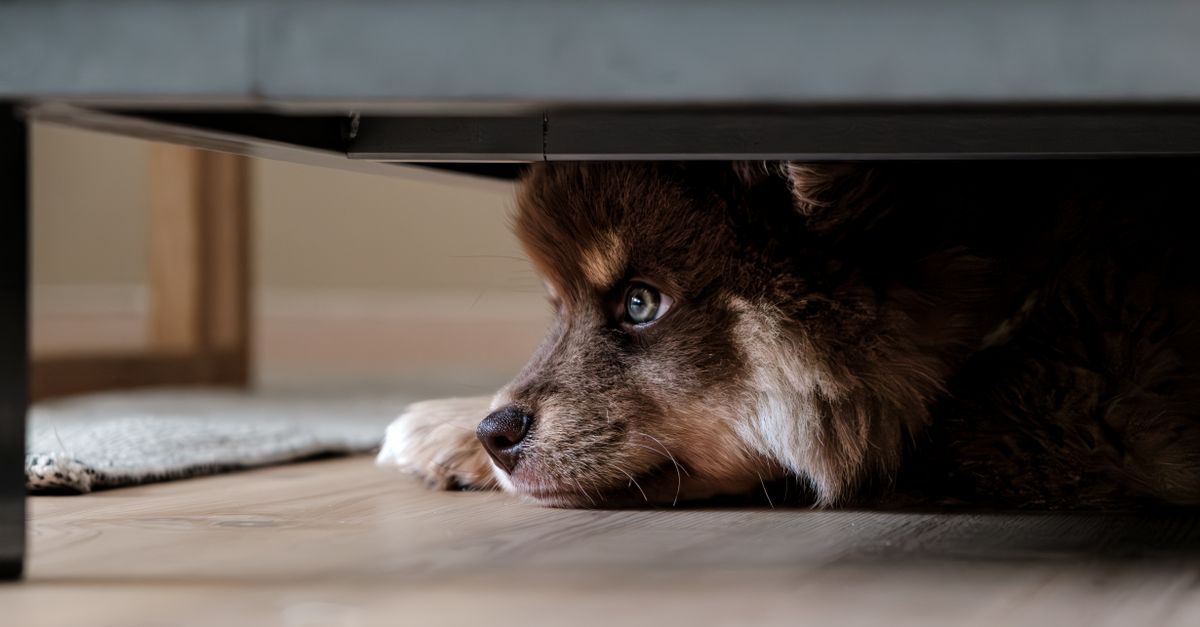
Every dog owner has likely experienced it: you call your dog, and instead of bounding over, they’re nowhere to be found, only to be discovered later, tucked away under the bed or behind a couch. For many, the immediate assumption is fear – a loud noise, a stranger, or some perceived threat. But in my experience, while fear is certainly a common culprit, it’s far from the only reason. And often, when dogs retreat to these hidden spaces, they’re communicating much more than just a fleeting scare. They’re broadcasting a constellation of subtle stress signals that, if overlooked, can lead to deeper behavioral issues and a less secure bond between you and your pup.
I’ve worked with countless dogs who use hiding as a coping mechanism, from the seemingly minor anxieties of a new routine to deeper-rooted issues of discomfort in their environment. What changed everything for me was learning to look beyond the obvious. It’s not just about the big, dramatic stressors, but the cumulative effect of small, often unnoticed environmental pressures that push a dog to seek refuge. Understanding these nuances isn’t just about stopping the hiding; it’s about building a foundation of trust and security that empowers your dog to feel safe and confident in their own home.
Key Takeaways
- Dogs often hide under the bed due to subtle, cumulative stressors, not just sudden loud noises or strangers.
- Environmental overstimulation, unmet mental needs, and a perceived lack of safe spaces are common, overlooked triggers.
- Creating a truly designated, comfortable ‘den’ can transform your dog’s sense of security and reduce hiding behaviors.
- Addressing the root cause requires observing subtle body language and proactively managing their environment.
The Cumulative Stress Load: It’s Rarely One Big Thing
The biggest mistake I see most often when a dog starts hiding under the bed is attributing it to a single, isolated event. While a sudden thunderstorm or a particularly boisterous guest can certainly send a dog scurrying, it’s much more common for this behavior to be the tip of an iceberg, indicative of a cumulative stress load. Think of it like a bucket filling up with water: each small stressor adds a little more, and eventually, one more drop—even a tiny one—causes the bucket to overflow.
For many dogs, their daily lives, even in loving homes, are filled with these small, unacknowledged stressors: a change in your work schedule, an unfamiliar smell from new cleaning products, consistent background noise from the TV, a new piece of furniture, or even just feeling watched constantly. These aren’t traumatic events, but their persistent presence can chip away at a dog’s sense of security. Dogs thrive on routine and predictability. When their world becomes unpredictable or overstimulating, even in subtle ways, they seek control by retreating to a space where they feel safe and invisible. The bed, with its low profile and often protective bedding, becomes their refuge from this sensory overload or perceived lack of control.
Actionable Insight: Start keeping a brief, daily journal of your dog’s routine and any new or unusual events. Note things like new visitors, construction noise, changes in your schedule, or even different brands of food/treats. You might be surprised to find patterns emerging, revealing these ‘invisible’ stressors that contribute to their hiding behavior.
Environmental Overload: Too Much, Too Often
Our homes, while comfortable for us, can be sensory minefields for dogs. The constant barrage of stimuli from our human lives can be a significant, yet often overlooked, reason for hiding. Consider this: a dog’s sense of hearing is significantly more acute than ours, and their sense of smell is exponentially more powerful. What’s background noise to you – the TV, a conversation, street sounds – can be a chaotic symphony to them. Similarly, the myriad of scents we bring in on our clothes, from groceries, or even new furniture, can be overwhelming.
In my experience, many dogs hide not because they are afraid, but because they are overwhelmed and seeking a sensory escape. The enclosed, darker space under a bed can muffle sounds, block visual stimuli, and provide a relatively ‘clean’ scent environment, offering a much-needed respite. This is particularly true for sensitive dogs or those prone to anxiety. They aren’t trying to be difficult; they’re self-regulating to prevent burnout. If your dog frequently retreats without an obvious trigger, consider the overall sensory load of their environment. Is the TV always on? Is there a lot of foot traffic? Are there strong air fresheners or cleaning product smells? These can all contribute to an environment that feels less like a safe haven and more like a constant assault on their senses.
Actionable Insight: Evaluate your dog’s environment. Try dedicating a few hours each day to a quieter atmosphere. Turn off the TV, play calming music (specifically designed for dogs), or use white noise. Ensure their designated resting area is away from high-traffic zones, and use dog-appeasing pheromone diffusers if needed. This proactive reduction in environmental stimulation can significantly decrease their need to seek refuge.
The Myth of the Open Crate: Why a True Den Matters
Many pet parents understand the concept of a ‘den’ and use crates, which is a great start. However, a common misconception is that an open wire crate in the middle of a busy living room fulfills this need. In my work, I’ve found that for a dog to truly feel secure enough not to resort to hiding under the bed, they need a true den – a safe, quiet, and private sanctuary that is unequivocally theirs. An open wire crate, while providing a boundary, often doesn’t offer the enclosed, dark, and secluded feeling many dogs instinctively seek when overwhelmed.
Think about it from your dog’s perspective: when they are stressed, they want to disappear. An open crate, while familiar, doesn’t always allow them to ‘disappear’ from the visual and auditory chaos of a household. This is why many dogs gravitate towards under the bed – it provides that perfect combination of low light, limited visibility, and a sense of being out of the main thoroughfare. A proper den should be a place where they can retreat, observe without being observed, and feel completely unbothered. It’s not a punishment; it’s their personal panic room or meditation space.
Actionable Insight: Create a designated, fully enclosed den for your dog. This could be a solid-sided plastic crate, a fabric crate, or even a large cardboard box covered with blankets, placed in a quiet corner of the house. Cover it with a blanket to make it dark and secluded. Make it appealing with a comfortable bed, a favorite toy, or a long-lasting chew. Never disturb them while they are in their den. This teaches them that this space is inviolable, a true sanctuary where they can always find peace.
Unmet Mental Needs: Boredom as a Stressor
It might seem counterintuitive, but boredom is a significant, yet often underestimated, stressor for dogs. Just like children, dogs require mental stimulation to be well-adjusted. A dog who isn’t mentally challenged, even if they get plenty of physical exercise, can become anxious, frustrated, and overstimulated by their environment. This isn’t just about destructive chewing; it’s about a dog who doesn’t know what to do with their mental energy, leading to a state of internal restlessness that can manifest as hiding.
In my experience, dogs who hide frequently, even without obvious external triggers, often have a deficit in mental enrichment. They might get their walks, but are they engaging their brains? Are they problem-solving, sniffing, or learning new things? Without appropriate outlets, that mental energy has to go somewhere, and for some, it translates into a low-grade anxiety that makes them seek solace in a hidden spot. The act of hiding can be a form of self-soothing, a way to ‘turn off’ their active but unengaged minds from the frustrating monotony.
Actionable Insight: Integrate daily mental enrichment into your dog’s routine. This doesn’t have to be complicated. Use puzzle toys for meals, engage in short (5-10 minute) training sessions to teach new tricks, or provide scent work opportunities (e.g., hiding treats around the house). Even a longer walk where you let them sniff extensively can be mentally exhausting in a good way. A tired brain is often a calm brain.
The Overlooked Signal: Body Language Beyond the Retreat
When your dog hides under the bed, it’s not just the act of hiding itself that’s a signal; it’s often the culmination of many smaller, subtle body language cues that you might have missed leading up to the retreat. Dogs are constantly communicating, but their language is often nuanced and quiet. Before they disappear, they are likely sending out a series of distress signals that, if recognized, could allow you to intervene and prevent the need for them to hide.
These overlooked signals include lip licking (when no food is present), yawning (when not tired), averted gaze, ‘whale eye’ (where the whites of their eyes are visible), low tail carriage, stiff body posture, excessive shedding, panting (when not hot or exerted), and even scratching or shaking. These are all calming signals or signs of mild stress that indicate discomfort or anxiety. When these signals are ignored, the dog escalates their communication, eventually choosing to physically remove themselves from the situation by hiding. Learning to read these subtle cues is paramount to becoming a truly clever pet parent, as it allows you to address the discomfort before it becomes a full-blown retreat.
Actionable Insight: Become a student of your dog’s body language. There are many excellent resources (books, online guides, certified professional dog trainers) that teach you how to interpret canine communication. Practice observing your dog throughout the day, not just when they seem ‘off.’ Notice their ears, tail, mouth, and overall posture. When you see these subtle signs of stress, proactively remove them from the situation, offer a safe space, or redirect their attention with a calming activity. This teaches them that you understand and will advocate for their comfort, strengthening your bond and reducing their need to hide.
Frequently Asked Questions
Q1: Is it always bad if my dog hides under the bed?
A1: Not necessarily. If it’s occasional and clearly tied to a specific, short-lived stressor (like fireworks or a brief, loud construction noise) and your dog quickly recovers, it might just be their coping mechanism. However, if it’s frequent, prolonged, occurs without obvious triggers, or is accompanied by other stress signals, it indicates an underlying issue that needs to be addressed.
Q2: Should I go under the bed to comfort my dog when they hide?
A2: Generally, no. While your intention is good, going into their hiding spot can inadvertently reinforce the behavior or even make them feel more trapped if they don’t want to be bothered. It’s best to respect their space. Instead, ensure they have a comfortable, quiet den they can retreat to voluntarily, and try to address the underlying stressors that caused them to hide.
Q3: How can I encourage my dog to use a designated ‘den’ instead of hiding under the bed?
A3: Make the den incredibly appealing and positive. Lure them in with high-value treats and praise. Feed them meals in their den. Provide a super comfy bed and favorite toys. Never use the den for punishment. When they choose to rest there, leave them undisturbed. Over time, they will associate it with safety and comfort, much like the bed currently offers.
Q4: My dog hides when specific people come over. What should I do?
A4: This suggests anxiety around those individuals. Start by providing your dog a safe, quiet space (their den) before guests arrive. Ask guests to completely ignore your dog initially. If your dog chooses to approach, have guests toss high-value treats away from themselves. Never force interaction. Short, positive exposures are key, and consider professional help if the fear is severe.
Q5: Can my dog’s diet affect their anxiety and hiding behavior?
A5: Yes, absolutely. A poor-quality diet lacking essential nutrients, or one that causes digestive upset, can contribute to overall stress and anxiety in dogs. Certain ingredients or sensitivities can also exacerbate behavioral issues. Discuss your dog’s diet with your vet to ensure it’s meeting their nutritional needs and not contributing to their stress levels.
Conclusion
Your dog hiding under the bed is more than just a quirky habit; it’s a clear message. By shifting our perspective from viewing it as mere fear to recognizing it as a complex communication of stress, discomfort, or unmet needs, we empower ourselves to become truly clever pet parents. It’s about more than just getting them out from under the furniture; it’s about proactively understanding their world, managing their environment, and building a bond of trust where they feel secure enough to thrive. Start by observing those subtle signals, creating a genuine sanctuary, and enriching their lives, and you’ll likely find your dog spending less time in hiding and more time confidently by your side.