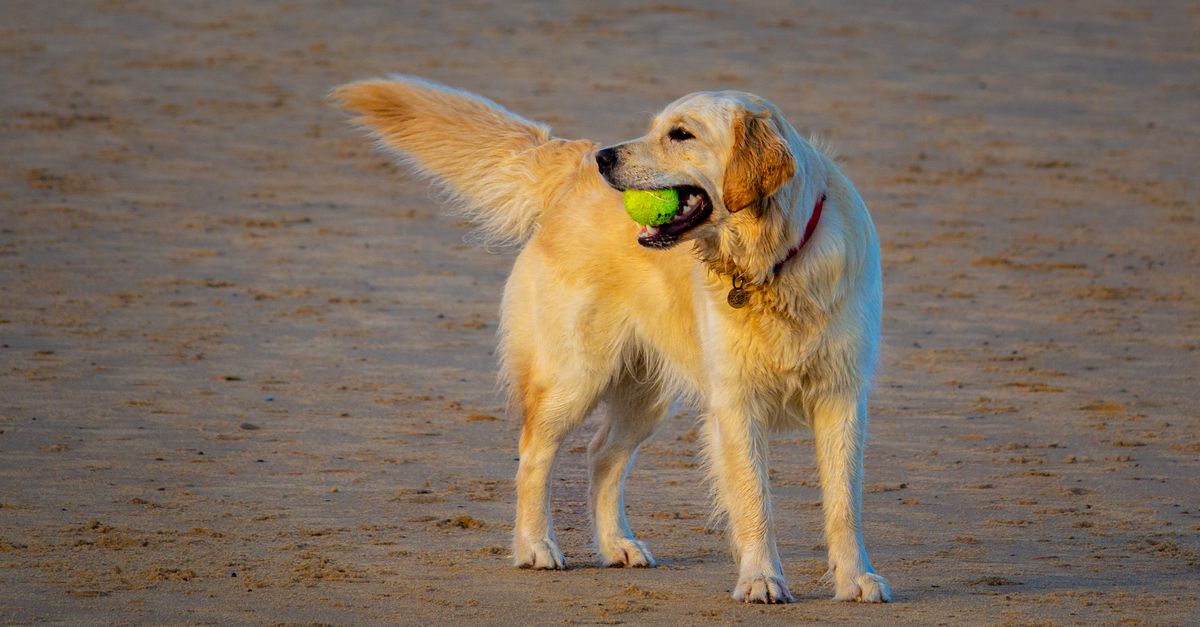
Does your dog live for the ball? The instant a tennis ball appears, do their eyes glaze over, their body coil with intense focus, and every other command or distraction simply cease to exist? I’ve been there. My German Shepherd, Rex, was a retriever extraordinaire. He could play fetch for hours, collapsing only when I finally hid the ball, panting heavily, yet still looking for it. For years, I thought this was the epitome of a happy, well-exercised dog. After all, he was burning energy, right? What could be wrong with a dog loving a game so much?
What I slowly came to realize, and what changed everything for Rex and me, was that his obsession wasn’t healthy play; it was an addiction. It led to hyper-arousal, anxiety, and a complete inability to settle when the ball wasn’t present. His focus was so narrow that he missed out on sniffing, exploring, and truly engaging with his environment or other dogs. He became reactive to anything round or ball-like, and his joints, in the long run, were taking a beating. This isn’t just about a dog loving to play; it’s about understanding the fine line between healthy engagement and detrimental obsession.
Key Takeaways
- Excessive ball retrieval can create an unhealthy addiction in dogs, leading to hyper-arousal and anxiety.
- Constant high-impact activity from fetch puts unnecessary strain on a dog’s joints and can exacerbate reactivity.
- Diversify your dog’s exercise routine to include mental stimulation, sniff walks, and structured training sessions.
- Implement a clear ‘off-switch’ and structured cool-down periods after any high-arousal activity like fetch.
- Introduce scent work and puzzle toys to engage your dog’s natural foraging instincts and promote calmness.
The Hidden Costs of Constant Fetch: More Than Just Worn Paw Pads
When Rex was in his ball-obsessed prime, I used to brag about his stamina. We’d go to the park, and he’d chase, retrieve, and drop the ball at my feet, ready for the next throw, for 45 minutes straight. His paw pads were tough, and his muscles were lean, but what I didn’t see was the internal toll this was taking. The physical wear and tear are obvious in retrospect: repetitive impact on joints, especially in breeds prone to hip or elbow dysplasia like German Shepherds, can accelerate degenerative conditions. It’s like a human running a marathon every day without proper recovery.
But the biggest, most overlooked cost was the mental and emotional impact. Rex was in a constant state of hyper-arousal. His cortisol levels were likely through the roof. When we were not playing fetch, he was agitated. He’d pace, whine, nose at my pockets, and stare intently at where the ball was usually stored. He developed severe ‘ball anxiety.’ If another dog at the park had a ball, he would become fixated, sometimes even growling if they got too close to ‘his’ territory (even if it wasn’t his ball). This wasn’t a well-adjusted, confident dog; this was a dog under immense internal pressure. In my experience, many owners mistake this intense focus for happiness or drive, when it’s often a manifestation of underlying stress or a lack of other enriching outlets.
Why ‘Just Tiring Them Out’ Backfires (and What Actually Works)
My initial strategy, like many dog owners, was to ‘tire him out.’ If Rex was bouncing off the walls, I’d grab the ball, thinking a good session of fetch would calm him down. The reality? It often made him more amped up, not less. We were creating a cycle: high-arousal play, followed by a crash, followed by a period of agitation until the next fix. It was like giving a sugar-addicted child more candy to calm them down – it offers a temporary distraction but exacerbates the underlying issue.
What truly works is diversifying their energy expenditure and focusing on mental exercise, not just physical. A dog’s brain needs to work as much as its body, if not more. A 15-minute sniff walk can be more tiring and satisfying for a dog than 45 minutes of frantic fetch. Why? Because sniffing is a natural canine behavior that engages their brain in a complex, calming way. It lowers their heart rate and promotes mental satisfaction. We started replacing at least half of our fetch sessions with structured leash walks where Rex was allowed to sniff extensively, or short training sessions focusing on new tricks and obedience commands. The mistake I see most often is owners thinking physical exhaustion equals mental fulfillment; it doesn’t.
The ‘Off-Switch’ Nobody Teaches: Reclaiming Calm After the Chase
One of the biggest breakthroughs for Rex was teaching him an ‘off-switch.’ Before, fetch would end when I hid the ball, leaving him panting, pacing, and still searching. This taught him that the game was always potentially on, fostering that constant state of anticipation. I realized I needed to teach him that when the game was over, it was over, and it was time to settle.
Here’s what changed everything for me: I started incorporating a structured cool-down routine. After 5-10 minutes of fetch (a significantly reduced duration), I would immediately transition to a calmer activity. This might be a short, slow walk on the leash, practicing a ‘heel’ or ‘stay’ command. Crucially, I’d then bring him inside, put the ball away completely out of sight, and immediately give him a high-value, long-lasting chew or a puzzle toy. This signaled the end of the high-arousal play and transitioned him into a calm, self-soothing activity. I used a specific phrase, like “All done!” or “Finished!” as I put the ball away. Over time, this created a clear boundary, and Rex learned that ‘all done’ meant a pleasant, calm activity was coming next, not an endless search for the hidden ball. This is a critical step many owners miss, perpetuating the addiction by leaving the dog in a state of unresolved excitement.
Scent Work and Puzzle Power: Engaging the Brain, Not Just the Legs
To further combat Rex’s ball obsession, I leaned heavily into activities that engaged his natural canine instincts for sniffing and problem-solving. This isn’t just about entertainment; it’s about fulfilling their primal drives in a low-arousal, mentally stimulating way. Dogs are natural foragers and hunters. Fetch simulates a part of that hunt, but it’s often too fast and repetitive to be truly enriching.
I started with simple scatter feeding in the yard, throwing his kibble onto the grass and letting him sniff it out. This sounds trivial, but it can occupy a dog for a surprising amount of time, engaging their nose and brain in a deeply satisfying way. Then, I progressed to snuffle mats and puzzle toys, where he had to manipulate objects to get treats. These activities build confidence, reduce stress, and, most importantly, teach a dog to use their brain to earn rewards, rather than relying solely on speed and retrieval. I also introduced basic scent work, hiding treats around the house and encouraging him to find them. This not only provided mental exercise but also helped him practice settling and focusing in a calm, indoor environment. These activities became cornerstones of his daily routine, significantly reducing his need for constant ball chasing.
Managing Reactivity and Setting Boundaries Around the Ball
Rex’s ball obsession manifested as reactivity not just to balls, but sometimes to other dogs who had balls. He saw them as competitors for the ultimate prize. Addressing this required direct training and strict management. My rule became: no ball when other dogs are present. If we were at the park, the ball stayed in the bag. This removed the trigger entirely, allowing Rex to practice calmer interactions with other dogs.
When we did play fetch, it was in a designated, contained area, and I ensured he had a solid ‘leave it’ and ‘drop it’ command. I practiced these frequently, even with the ball, rewarding him for disengaging and letting go. If he became over-aroused or fixated, the game immediately stopped. This wasn’t a punishment, but a clear boundary: calmness earns play; obsession ends it. This taught him that my control over the ball meant more play, not less, as long as he maintained a level head. For many owners, the instinct is to soothe an anxious, ball-obsessed dog with more ball. In my experience, this just reinforces the unhealthy cycle. True leadership means setting clear, calm boundaries.
Conclusion: A Balanced Dog is a Happier Dog
Transitioning Rex from a ball-obsessed maniac to a more balanced, calm companion wasn’t an overnight fix. It took consistency, patience, and a fundamental shift in my own understanding of what constitutes truly enriching play. I learned that simply burning physical energy isn’t enough; we need to engage their minds, respect their natural instincts, and teach them to settle. By diversifying his exercise, implementing clear ‘off-switches,’ incorporating scent work, and setting firm boundaries around the ball, Rex became a much happier, less anxious dog.
If your dog is obsessed with the ball, take a critical look at your routine. Are you feeding an addiction or fostering healthy play? Consider incorporating some of these strategies. Your dog’s mental and physical well-being will thank you for it, and you’ll find yourself with a more adaptable, less anxious, and ultimately, more joyful companion. Start today by swapping half of your next fetch session for a sniff walk, or introduce a simple puzzle toy. The journey to a calmer dog begins with small, intentional steps.
Frequently Asked Questions
Q: Is playing fetch bad for my dog’s joints?
A: Excessive, high-impact fetch, especially on hard surfaces, can be detrimental to a dog’s joints over time, particularly for large breeds or those prone to orthopedic issues. While moderate fetch is fine, constant, repetitive jumping and hard landings can accelerate wear and tear. Diversifying exercise to include swimming, hiking, and sniff walks is crucial for joint health.
Q: How do I know if my dog is just enjoying fetch or is obsessed?
A: Key signs of obsession include an inability to settle after the game, constant searching for the ball, ignoring commands when the ball is present, reactivity towards other dogs or objects that resemble a ball, panting and pacing even when tired, and a general agitated state when fetch isn’t happening. If the ball is their only focus, it’s likely an obsession.
Q: What are good alternatives to fetch for high-energy dogs?
A: Excellent alternatives include structured sniff walks (allowing extensive sniffing), flirt poles (for controlled chasing and pouncing), puzzle toys and feeders, scent work (nose games), obedience training sessions, trick training, agility classes, and swimming. These activities engage their brain and body in more balanced ways.
Q: How do I teach my dog to calm down after playing fetch?
A: Implement a clear ‘off-switch’ by using a verbal cue like “All done!” as you put the ball away completely. Immediately transition to a calm activity like a short, slow leash walk, then offer a long-lasting chew toy or a puzzle toy to encourage self-soothing in a designated calm space. Consistency is key.
Q: My dog ignores treats and toys when the ball is around. What should I do?
A: This indicates a strong obsession. Start by practicing ‘leave it’ and ‘drop it’ commands with lower-value items in a low-distraction environment, gradually increasing the challenge. Never force the ball from them. During play, if they become too fixated, end the game immediately and transition to a calm activity with a high-value treat after the ball is put away. Only reintroduce the ball when they can calmly disengage.