Every dog owner has likely witnessed it: that peculiar moment when your canine companion, instead of immediately devouring their meal, takes a mouthful of kibble and buries it under a rug, behind a cushion, or even in the backyard. You might find yourself scratching your head, wondering if your dog is simply playing, saving it for later, or perhaps questioning if you’re feeding them enough. In my experience as a dog trainer, this behavior—often referred to as ‘caching’ or ‘hoarding’—is far more complex than simple play, and it often provides crucial insights into a dog’s natural instincts, current environment, and even their emotional state. Understanding why they do it is the first step toward addressing it effectively and ensuring their overall well-being. The mistake I see most often is owners dismissing it as a silly quirk or, worse, scolding their dog for it. What changed everything for me, and for the owners I work with, was recognizing the deep-rooted evolutionary and psychological drivers behind this behavior.
Key Takeaways
- Food caching is a natural, instinctual behavior rooted in ancestral survival strategies, not a sign of disobedience.
- Environmental factors like perceived scarcity, stress, or competition often trigger or exacerbate food hiding.
- Providing consistent feeding routines, appropriate food amounts, and a calm eating environment can reduce the need to hoard.
- Mental enrichment through puzzle toys and training can redirect caching instincts into healthier behaviors.
It’s Not About Being ‘Picky’: The Deep Evolutionary Roots of Food Caching
Many owners initially assume their dog is hiding food because they don’t like it or are being finicky. In reality, food caching is an incredibly ancient and widespread behavior among canids, including wolves, foxes, and wild dogs. It’s an evolutionary leftover from a time when food was unpredictable and scarce. Imagine living in the wild: when a large kill was made, a single animal couldn’t consume it all at once, nor could it guarantee another meal would come soon. The most successful animals were those that buried excess food to protect it from scavengers and save it for leaner times. This instinct is hardwired into your domestic dog’s brain, regardless of how full their bowl is or how regular their feeding schedule. They are, in a sense, anticipating future scarcity, even if that scarcity never materializes in your home.
This behavior isn’t about hunger in the immediate moment; it’s about resource guarding for the future. In my experience, even well-fed dogs will exhibit this. I once worked with a client whose Golden Retriever, Buster, would meticulously carry every single kibble from his bowl to bury it under his owner’s bed. Buster was an incredibly loved and well-fed dog. The issue wasn’t a lack of food, but a deep-seated instinct triggered by something in his environment that felt, to him, insecure. Dismissing this as a ‘funny habit’ misses the underlying biological drive. Instead, we need to acknowledge it as a natural, if sometimes inconvenient, part of being a dog and look for ways to fulfill that instinct in a controlled manner.
The Environment Matters: How Stress and Competition Trigger Hoarding
While instinct is the foundation, a dog’s immediate environment often acts as the trigger for overt caching behavior. If your dog lives in a multi-pet household, for example, the presence of other dogs or cats can create a sense of competition for resources. Even if the other animals don’t actually try to steal food, the perception of competition can be enough. A dog might eat quickly and then hide the rest, or carry portions away to a ‘safe’ spot where they feel no one else will find it.
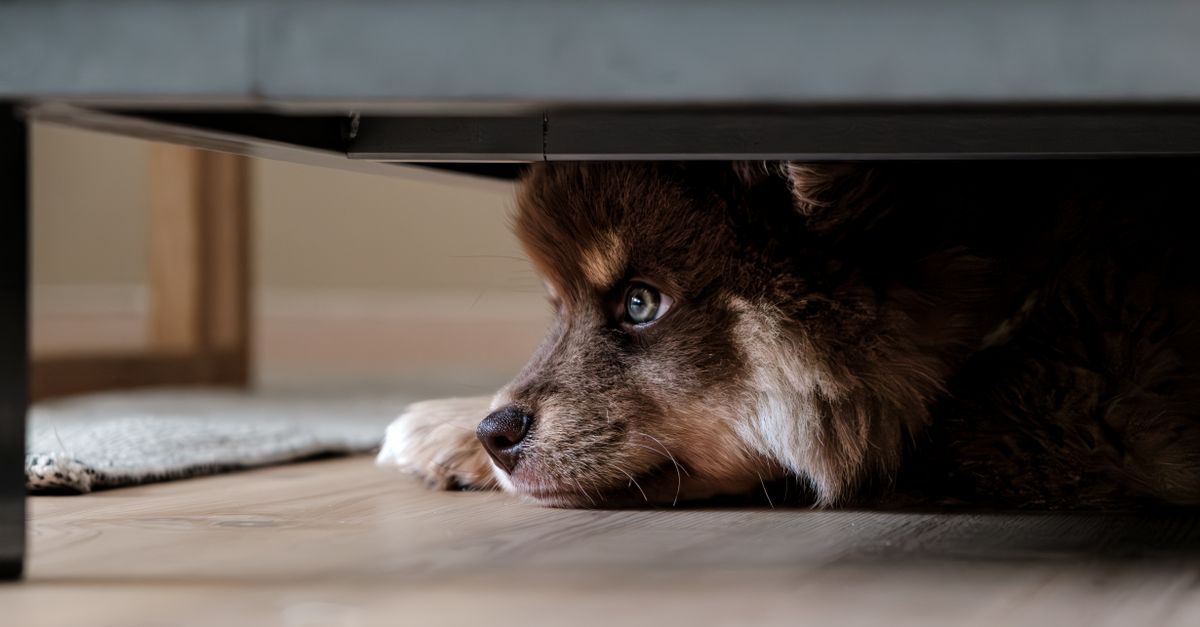
Beyond other pets, general household stress can also play a role. A chaotic home, frequent loud noises, new people, or even changes in routine can make a dog feel insecure. When a dog feels stressed or vulnerable, their primal instincts for survival kick in. Hiding food becomes a coping mechanism, a way to exert some control over a valuable resource in an otherwise unpredictable world. Think of it from their perspective: if everything feels a bit shaky, at least they can guarantee they’ll have this one thing later. I’ve seen dogs in busy homes where children constantly run past their food bowl exhibit intense caching, even if the kids never touch the food. The perceived threat, or even just the distraction, makes them want to secure their meal.
Beyond the Bowl: Redefining ‘Mealtime’ to Reduce Caching
One of the most effective strategies I’ve found for reducing food caching is to change the way we approach mealtime altogether. For many dogs, a bowl of food placed on the floor is a very unnatural way to eat. In the wild, animals spend significant time and energy foraging, hunting, and working for their food. When food is simply given, it often doesn’t satisfy their inherent drive to earn it. This can lead to some dogs feeling a need to ‘do something’ with the food, and caching is one outlet.
Instead of a standard bowl, consider incorporating enrichment feeding. This could mean using puzzle toys, slow feeder bowls, or even scattering a portion of their meal in a designated area for them to sniff out. This taps into their natural foraging instincts, turning mealtime into a mental and physical activity rather than just a quick gulp. For Buster, the Golden Retriever, we started using a KONG Wobbler and scattering half his kibble in the backyard for him to find. The caching under the bed dramatically decreased because his natural drive to ‘work’ for food was being satisfied in a more appropriate way. He was still fulfilling his instinct, but in a way that was less about hoarding and more about engagement. It’s a subtle shift, but it makes a huge difference in their mental satisfaction and reduces the underlying drive to secure resources in an anxious way.
Consistency and Security: Building Trust Around Food Resources
At the heart of reducing excessive food caching is building a sense of security and predictability around food resources. Dogs thrive on routine, and consistent feeding schedules are paramount. Feed your dog at the same times each day, in the same quiet, undisturbed location. This predictability signals to them that food is a reliable resource, not something they need to worry about disappearing. Ensure they have their own dedicated eating space, away from high-traffic areas or other pets, to minimize perceived competition or stress during meals. If you have multiple pets, feed them in separate rooms or at a distance where they cannot see or reach each other’s food bowls.
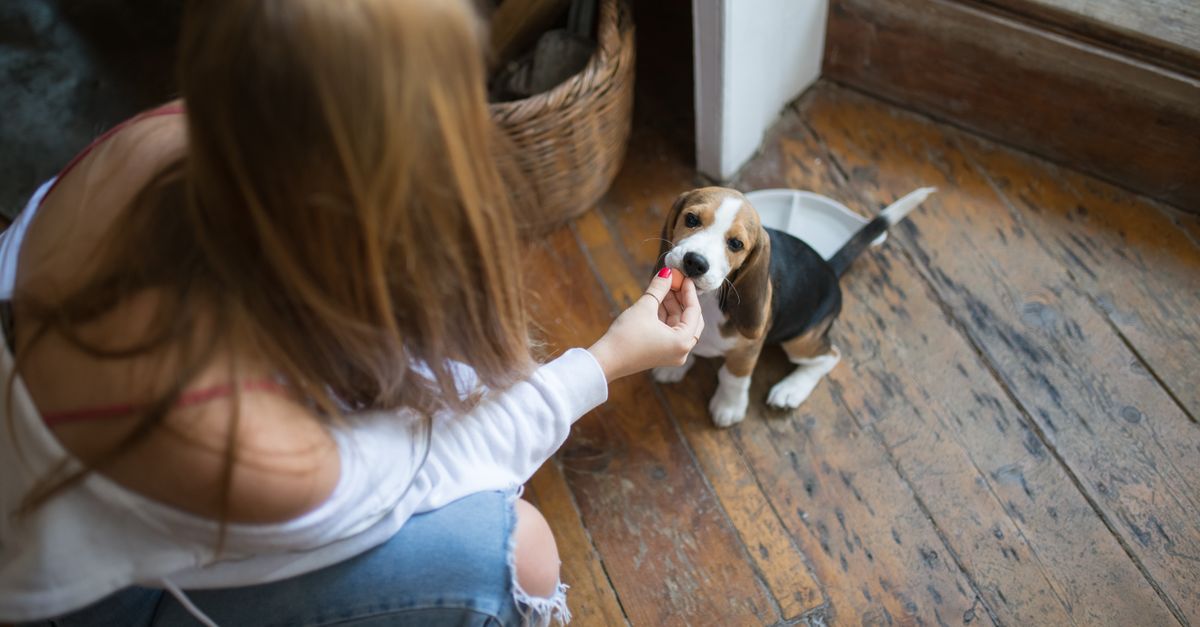
It’s also crucial to avoid inadvertently reinforcing caching behavior. If your dog tries to bury food and you immediately offer a treat or attention to distract them, you might be inadvertently rewarding the behavior. Instead, establish clear boundaries around mealtime. Once the food is down, give them a reasonable amount of time to eat (say, 15-20 minutes for kibble). If they haven’t finished, pick up the bowl until the next scheduled meal. This teaches them that food is available, but only for a limited window, encouraging them to eat when it’s offered rather than saving it. This also subtly communicates that you are the consistent provider, reinforcing trust that food will always be there when it’s time.
When to Consult a Vet or Trainer: Underlying Issues
While most food caching is normal, a sudden increase or change in the behavior, especially if accompanied by other symptoms, might warrant a closer look. If your dog suddenly starts hiding food when they never did before, or if the behavior becomes obsessive and impacts their eating habits (e.g., they hide all their food and then refuse to eat it later, leading to weight loss), it’s wise to consult your veterinarian. There could be an underlying medical issue causing discomfort or anxiety, such as dental pain that makes eating difficult, or even a gastrointestinal problem. Pain or illness can make a dog feel vulnerable and increase their resource guarding instincts.
If medical issues are ruled out, a certified professional dog trainer or veterinary behaviorist can help identify specific environmental triggers or behavioral patterns that are contributing to the caching. They can provide tailored strategies, such as desensitization and counter-conditioning techniques, to help your dog feel more secure around their food. In my experience, obsessive caching often points to a heightened state of anxiety or insecurity that needs professional guidance to properly unpack and resolve. Never hesitate to seek expert advice if you’re concerned about your dog’s well-being or if the behavior is disrupting their quality of life.
Frequently Asked Questions
Q1: Is it bad if my dog hides food?
A1: In most cases, it’s not ‘bad’; it’s a natural, instinctual behavior rooted in their ancestors’ need to save food for later. However, if it becomes obsessive, leads to food refusal and weight loss, or is accompanied by signs of stress or aggression, it may indicate an underlying issue that needs addressing.
Q2: Should I stop my dog from hiding food?
A2: Rather than strictly ‘stopping’ it, which can be difficult and may increase anxiety, it’s more effective to redirect and manage the behavior. Provide a consistent, calm eating environment, consider enrichment feeding (like puzzle toys), and ensure they feel secure about food availability. If the behavior is excessive, address underlying stress.
Q3: Why does my dog hide food even if they’re not hungry?
A3: Food hiding isn’t always about immediate hunger. It’s often driven by an evolutionary instinct to secure resources for future scarcity, even if food is plentiful. Environmental factors like perceived competition from other pets or general household stress can also trigger this deep-seated hoarding instinct.
Q4: My dog hides food in the couch, then eats it later. Is this okay?
A4: While not ideal for hygiene, this is a common form of caching. If your dog isn’t showing signs of stress and is still eating adequately, it’s likely a mild manifestation of their natural instinct. You can try to encourage them to eat in their designated area, but direct punishment is usually counterproductive. Consider using a slow feeder or puzzle toy to satisfy their foraging drive.
Q5: Can feeding times affect food caching?
A5: Absolutely. Inconsistent feeding schedules can make a dog feel uncertain about when their next meal will come, triggering or increasing their caching behavior. Establishing a consistent feeding routine at predictable times helps build trust and reduces the perceived need to hoard resources.
Understanding why your dog hides food means looking beyond the surface and recognizing the complex interplay of instinct, environment, and emotion. By providing a secure, predictable, and enriching mealtime experience, you can help your dog feel confident that their resources are safe, allowing their natural caching instincts to find healthier, less disruptive outlets. It’s about being a smarter pet parent who understands their dog’s world, not just their bowl.