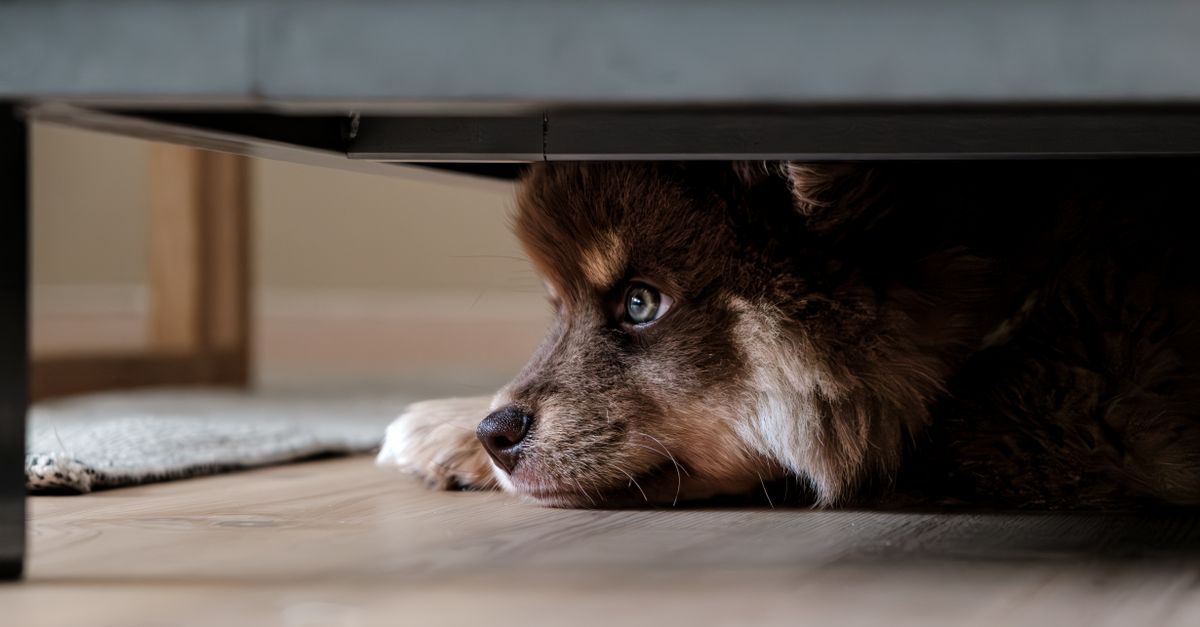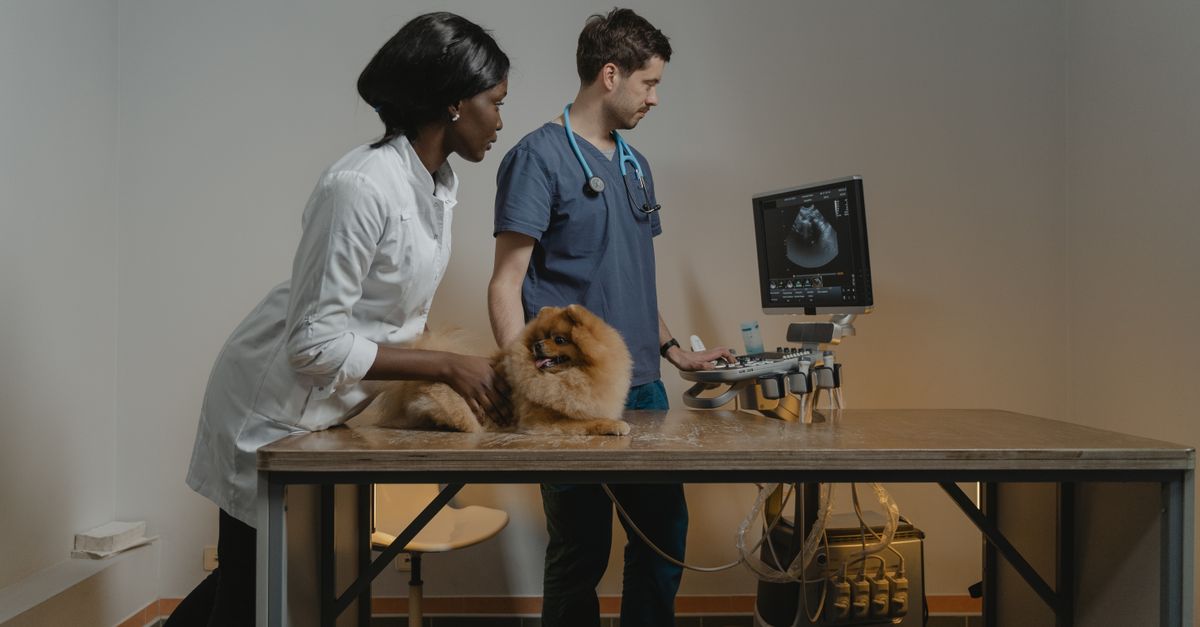
Every dog owner knows the drill: the subtle shift in your dog’s demeanor when you mention the ‘V-E-T,’ the sudden braking as you approach the clinic, the trembling, the panting, sometimes even growling or snapping. For years, I struggled with my otherwise calm Labrador, Buster. He’d become a writhing, terrified mess the moment we stepped through those clinic doors. I tried everything — treats, toys, reassuring whispers — but nothing seemed to work. It wasn’t just stressful for him; it was heartbreaking for me, and frankly, embarrassing for the vet staff. We were both dreading these necessary appointments.
Then, after a particularly challenging dental cleaning that required heavy sedation just to get him into the examination room, I realized I was approaching the problem all wrong. My efforts to comfort him during the stressful event were only reinforcing his fear. I needed a completely different strategy, one that addressed the root cause of his anxiety long before we ever set foot in the clinic again.
Key Takeaways
- Most traditional calming methods during a vet visit inadvertently reinforce a dog’s fear.
- The real solution lies in pre-emptive, positive conditioning, making the clinic a neutral or even pleasant place.
- Desensitization to common vet procedures, practiced at home, builds crucial resilience.
- A strategic partnership with your vet, including ‘happy visits,’ is essential for long-term success.
- Sedation isn’t a failure; it’s a compassionate tool to prevent fear from escalating, and it can be part of a long-term desensitization plan.
The Fundamental Misconception: Your Dog Isn’t Being ‘Bad,’ They’re Terrified
The biggest mistake I see pet parents (and even some well-meaning vet staff) make is attributing a dog’s reactive behavior at the vet to stubbornness, dominance, or simply being ‘bad.’ In my experience, 99% of the time, it’s pure, unadulterated fear. Think about it from your dog’s perspective: they’re brought to an unfamiliar place with strange smells (other sick animals, antiseptics), loud noises (other barking dogs, whirring machines), uncomfortable sensations (needles, rectal thermometers, being held down), and handled by strangers. Their primary instinct is self-preservation, and if they perceive a threat, they’ll react.
Before I understood this, I’d try to force Buster into positions, speak in a firm tone, or get frustrated when he wouldn’t cooperate. This, of course, only confirmed his worst fears. My shift in mindset was the first crucial step: I stopped seeing him as ‘misbehaving’ and started seeing him as ‘communicating distress.’ This perspective shift is vital because it moves you from punishment or frustration to empathy and proactive problem-solving.
This isn’t to say all vet behavior is fear-based; some dogs are genuinely uncomfortable with handling. But even then, the core issue is often a lack of positive association and desensitization to handling, which leads to anxiety when forced. My counter-intuitive realization was that the vet’s office itself had become a predictor of pain and fear, and I needed to decouple that association entirely, not just manage the symptoms during the visit.
The Counter-Intuitive Strategy: ‘Happy Visits’ and Environmental Reconditioning
What changed everything for Buster and me wasn’t more treats during a procedure, but rather making the vet’s office a place that sometimes, inexplicably, meant great things, with no downsides. I call these ‘Happy Visits,’ and they were the cornerstone of our turnaround.
Here’s how I implemented them:
- Start with Zero Expectations: I called our vet and explained my new strategy. They were incredibly supportive. We started by simply walking into the reception area, I’d give Buster a handful of his absolute favorite high-value treats (think cooked chicken, cheese, hot dogs – things he rarely got), and then we’d immediately leave. No examination, no weight scale, no interaction with staff unless it was a casual, no-pressure treat delivery. The goal was for him to think, “Wow, that place just gives out free chicken!” We did this once or twice a week for several weeks.
- Gradual Exposure: Over time, we’d slowly increase the exposure. One visit, we’d go to the waiting room, get treats, and leave. The next, we might step onto the scale (if he was comfortable, for a few seconds), get treats, and leave. Another time, we might walk past an exam room, treats, and leave. Crucially, we never did anything negative or even neutral during these happy visits. If he showed any sign of anxiety, we immediately de-escalated or ended the visit. The key was to keep the experience overwhelmingly positive and brief.
- The Vet Tech as the Treat Fairy: Once Buster was comfortable in the waiting area, we introduced a vet tech or assistant into the equation. They would approach slowly, offer a treat, and then walk away. No petting, no examining, just a quick positive interaction. This helped him associate the staff with good things, rather than just scary procedures.
The genius of this strategy is that it completely reconditions the dog’s emotional response to the vet’s office. Instead of dread, it becomes a place of potential rewards. It takes time, yes, but the payoff in reduced stress for both you and your dog is immeasurable.
Desensitization at Home: Preparing for the Uncomfortable
Beyond the clinic environment, many dogs fear the actual procedures: being touched, having paws handled, ears inspected, or their temperature taken. This is where at-home desensitization comes in. The goal is to gradually expose your dog to these sensations in a safe, familiar environment, pairing them with high-value rewards, long before a vet needs to do it.
Here’s how I practiced with Buster:
- Paws and Nails: I started by gently touching his paws, giving a treat. Then holding a paw, treat. Then touching his nails, treat. Eventually, I could hold a paw, gently manipulate his toes, and touch his nails with a nail clipper (without clipping), all while constantly feeding treats. This built up to quick nail clips at home without a struggle.
- Ears and Mouth: Similarly, I’d lift his ear flap, look inside (briefly), and give a treat. Gently touch his gums, treat. Lift his lip, treat. The more comfortable he became with me doing it, the less traumatic it would be when a vet needed to.
- Body Handling: Practice gently restraining your dog for a few seconds. Hold them close, mimicking how they might be held for an injection or examination, immediately followed by a release and a big reward. This teaches them that being held isn’t always scary and that cooperation leads to good things.
- The Rectal Thermometer: This is often the most dreaded. I started by just touching the base of his tail, treat. Then lifting his tail, treat. Then, with a lubricated, room-temperature thermometer, gently touch the area, treat. Over many sessions, I worked up to quick, brief insertions, immediately followed by lavish praise and treats. The key is extreme patience and never pushing them past their comfort level.
For any of these, if your dog shows stress, stop immediately. Go back a step. The goal isn’t to get through it quickly, but to build a positive association. This home practice drastically reduced the novelty and fear of these sensations when performed by the vet.
The Role of Medication: When Sedation Isn’t a Failure, But a Kindness
For a long time, I viewed medication for anxiety during vet visits as a personal failure – a sign that I hadn’t trained Buster well enough. This was a huge misconception. For dogs with severe anxiety, pre-visit calming medications are not a crutch; they are a compassionate tool that prevents the escalation of fear and actually helps the desensitization process.
If a dog is completely overwhelmed with terror, no amount of treats or gentle handling in the moment will truly change their underlying emotional state. In fact, these highly stressful experiences can reinforce their fear, making subsequent visits even worse. Medications like Trazodone or Gabapentin, given an hour or two before the visit, can significantly lower a dog’s anxiety threshold. This allows them to be more receptive to the positive associations you’re trying to build, and it allows the vet to perform necessary procedures with less stress for everyone.
My vet and I had a frank discussion, and we started using a mild sedative for Buster’s annual check-ups and any necessary procedures. This made a noticeable difference. He was still a bit nervous, but he wasn’t panicking. This calmer state, combined with our ongoing happy visits and home desensitization, slowly began to reshape his entire experience. It truly clicked for me that preventing extreme fear is just as important as building positive experiences.
Building a Partnership with Your Veterinary Team
Successfully managing vet anxiety is a team effort. Your vet and their staff are your most valuable allies. In my experience, open communication and a willingness to collaborate are key. Here’s how I fostered that partnership:
- Be Transparent: From the outset, I was honest with my vet about Buster’s anxiety and my desire to implement a long-term plan. I didn’t try to hide his fear; I acknowledged it and asked for their help.
- Discuss ‘Happy Visit’ Protocols: Ensure your vet’s office is on board with your happy visit strategy. They need to understand that you’ll be popping in regularly, sometimes for just a minute, and that staff should ideally ignore your dog or offer a treat without any expectations.
- Explore Low-Stress Handling Options: Many clinics now practice ‘low-stress handling’ techniques. Ask your vet if they have staff trained in these methods. This can involve allowing your dog to stay on the floor for examinations, performing procedures in less intimidating areas, or using specific calming holds.
- Consider Sedation Together: Discuss medication options with your vet well in advance. Don’t wait until the day of the appointment. Your vet can prescribe appropriate pre-visit calming medications and advise on dosages.
- Schedule Strategically: If possible, schedule appointments during quieter times at the clinic. Fewer other animals, less noise, and less hustle can make a big difference for an anxious dog. Sometimes, a morning appointment is best before the clinic gets busy.
My relationship with our vet became incredibly strong because we were working towards a common goal. They saw my dedication and were happy to accommodate our unique approach. This partnership is non-negotiable for success.
The Long-Term Payoff: From Dread to Tolerance
After about 8-12 months of consistent happy visits, at-home desensitization, and strategic pre-visit medication for necessary appointments, Buster’s vet experience dramatically improved. He no longer froze at the car door. He would walk into the clinic with a wagging tail (albeit a low one), take treats from the reception staff, and even tolerate being on the scale for a moment or two.
During examinations, he still wasn’t thrilled, but he was manageable. He might lean into me for comfort, but the frantic panic was gone. The vet could perform her check-up, give injections, and even do blood draws with significantly less stress for everyone involved. What once required heavy sedation and multiple staff members now often only needed a mild oral sedative and my presence.
This isn’t to say your dog will ever love the vet, and that’s an unrealistic expectation. But moving from a state of terror and potential danger to one of tolerance and mild discomfort is a monumental victory. It means essential health care is no longer a battle, and your dog’s quality of life improves because they can get the care they need without profound psychological trauma. The counter-intuitive part? It often involves avoiding the stressful event initially to rebuild a positive association, and using medication not as a failure, but as a crucial aid in that process.
Frequently Asked Questions
What if my dog is already severely anxious or aggressive at the vet?
For severely anxious or aggressive dogs, immediate intervention with a veterinary behaviorist (a vet with specialized training in behavior) is highly recommended. They can develop a comprehensive behavior modification plan, often involving medication, and guide you through the desensitization process. It’s crucial to prioritize safety for both your dog and the vet staff. Pre-visit calming medication is almost always a necessity in these cases to prevent further negative reinforcement.
How long do ‘happy visits’ take to show results?
Results vary greatly depending on the individual dog, their level of anxiety, and the consistency of the training. For some dogs, you might see subtle improvements in a few weeks. For others with deeply ingrained fear, it could take several months of consistent weekly (or even bi-weekly) happy visits. The key is to be patient, celebrate small victories, and never rush the process.
Can I do happy visits at home if my vet is too far or unwilling?
While an actual vet clinic is ideal for happy visits, you can still do significant work at home. Focus heavily on the at-home desensitization to handling (paws, ears, mouth, body restraint, thermometer practice) and pair it with lavish treats. You can also drive to the vet clinic, give treats in the parking lot, and leave, gradually moving closer to the entrance. Then, on appointment day, consider asking if you can wait in your car and be called directly into an exam room to minimize waiting room stress. This is a compromise, but still better than no preparation.
Is it okay to use sedatives every time my dog goes to the vet?
Absolutely. For many dogs, pre-visit calming medication is a critical component of preventing stress and making vet visits tolerable. It’s far kinder to your dog to go in a relaxed, sedated state than to endure terror. Discuss the specific medication, dosage, and frequency with your veterinarian to ensure it’s appropriate for your dog’s health and the procedures being done. The goal is humane veterinary care, and sometimes that means a little pharmacological help.
My dog loves other people but hates the vet. Why?
This is common! The vet’s office isn’t just about the people. It’s the entire sensory experience: unfamiliar smells (other sick animals, cleaning agents), sounds (other barking dogs, medical equipment), the knowledge that they are being taken there (car ride, leash), and the specific type of handling that occurs (restraint, injections). While your dog might love a friendly face on the street, the vet’s context completely changes the interaction, often making even the friendliest person seem threatening due to association with previous negative experiences.
In my experience, changing your dog’s vet experience from a dreaded ordeal to a manageable event requires a multi-faceted approach. It’s a commitment, but one that drastically improves your dog’s well-being and strengthens the bond you share. By understanding their fear, proactively reconditioning their environment, desensitizing them to handling, and working closely with your vet, you can transform a once-terrifying necessity into a routine they can tolerate, if not enjoy.