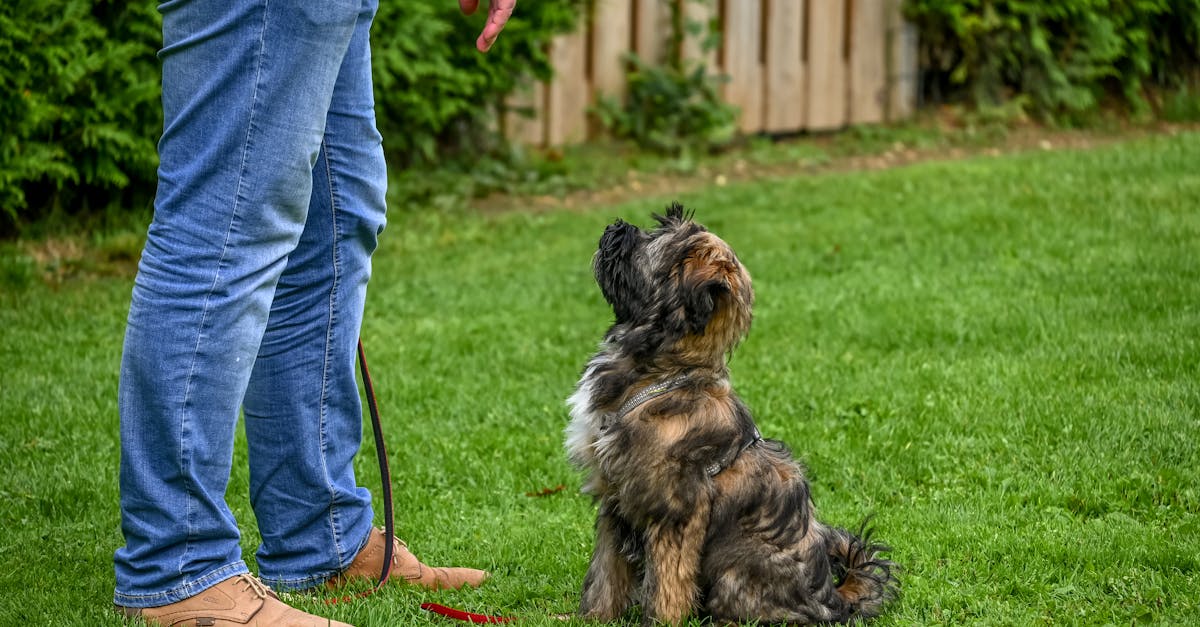
Every dog owner has been there: you call your dog, voice bright and hopeful, and they glance at you, maybe wag a tail, then resume sniffing that particularly interesting patch of grass, utterly ignoring your pleas. Or worse, they bolt in the opposite direction, forcing a frantic chase. It’s frustrating, embarrassing, and in many situations, downright dangerous. A reliable recall isn’t just a party trick; it’s a critical safety command that can literally save your dog’s life, whether you’re at the dog park, hiking off-leash, or if they accidentally slip out the front door.
In my years as a dog trainer, I’ve seen countless owners struggle with recall, often making the same fundamental mistakes without even realizing it. They blame the dog, the breed, or their own ‘bad luck,’ when the truth is, the way they’re teaching (or inadvertently untraining) recall is setting their dog up for failure. It’s not about how loud you yell, or how many times you repeat the command. It’s about building a consistent, highly rewarding history with that single word, making coming back to you the absolute best decision your dog can make at any given moment.
This isn’t about shaming anyone; it’s about shifting perspective. The problem isn’t your dog being stubborn; it’s often that we haven’t made coming to us more valuable than whatever else is out there. I’m going to reveal the top reasons your dog isn’t listening and the counter-intuitive strategies that transformed my own dogs’ recall, turning a frustrating struggle into a rock-solid, life-saving habit.
Key Takeaways
- Your dog’s recall isn’t a given; it’s a learned behavior that needs consistent, high-value reinforcement to compete with distractions.
- The biggest recall killers are inadvertently punishing your dog for returning and making ‘come’ a command only used for negative events.
- Always make returning to you the most rewarding event, using high-value treats, exciting praise, and never scolding or immediately ending the fun.
- Start recall training in low-distraction environments and gradually build up, ensuring success at each stage to prevent poisoning the cue.
The Fatal Mistake: Poisoning the ‘Come’ Cue
The single biggest reason I see recall fail is what trainers call ‘poisoning the cue.’ This happens when the word ‘come’ (or whatever word you use) becomes associated with something unpleasant or the end of fun. Think about it: when do most people call their dog? When it’s time to go home from the park, when they’re about to give a bath, when the dog has done something ‘bad’ and they need to catch them, or when they just want to grab their collar and leave.
In my experience, if the only time you use ‘come’ is to end playtime, administer medication, or put them on a leash to leave a fun place, your dog quickly learns that ‘come’ means the party’s over. Why would they voluntarily run towards that? They won’t. They’ll actively avoid it, associating your call with a negative outcome.
What changed everything for me was a simple shift: I stopped using ‘come’ unless I was going to make their return the most fantastic thing that could happen. This means if I called them and they came, they got the BEST treats, enthusiastic praise, and then—crucially—I often released them to go back to what they were doing. This breaks the association of ‘come’ with ‘fun over.’ If I needed to leash them up, I would quietly walk over, hook the leash, and then maybe after the leash was on, then call them, give them a treat, and praise, immediately making the leashing a non-event and the coming to me a positive one.
The Value Equation: Is Your Reward Strong Enough?
Imagine you’re offered $5 to do a chore. You might do it. Now imagine you’re offered $5,000. Your motivation changes drastically. Dogs operate on a similar value system. If they’re deeply engaged in sniffing a fascinating scent, chasing a squirrel, or playing with another dog, a simple ‘good boy’ or a dry biscuit won’t cut it. The reward for coming to you needs to outweigh the intrinsic reward of the distraction.
The mistake I see most often is owners using the same low-value treats for recall as they do for ‘sit’ in the living room. For recall, especially in distracting environments, you need high-value, irresistible rewards. This means boiled chicken, hot dogs, cheese, liver treats, or a super exciting toy that they only get when they come. These are the equivalent of your $5,000.
In my journey with my own high-energy dog, Finn, who loved chasing everything, a few pieces of kibble wouldn’t even register. What worked? Sliced bits of deli ham. He’d drop everything. I made a rule: recall treats are special. They are never used for anything else. This elevates the value of coming to me significantly. Practice a few ‘easy’ recalls in your yard with these special treats, then gradually introduce minor distractions. Always keep that reward high-value until recall is absolutely bulletproof in a variety of situations.
Inconsistent Expectations: The ‘Sometimes You Do, Sometimes You Don’t’ Trap
Dogs are creatures of habit and clarity. If ‘come’ means ‘come’ 100% of the time in all situations, they learn that. If ‘come’ sometimes means ‘come,’ sometimes means ‘I’ll just ignore you,’ and sometimes means ‘I’ll chase you to get you,’ then the command loses all meaning. This inconsistency is a major recall killer.
Many owners make the mistake of calling their dog in situations where they know the dog won’t come, then getting frustrated. This teaches the dog that ‘come’ is optional. Every failed recall attempt erodes the value of the cue. It’s like asking someone for a favor you know they’ll deny; it just makes future requests less likely to succeed.
What changed everything for me was committing to never calling ‘come’ unless I was 90-100% sure my dog would succeed, or I could make them succeed. This often meant starting in low-distraction environments (like inside the house), using a long line in the yard, or literally running in the opposite direction to make them chase me (which, for some dogs, is an incredibly high-value game). If I called and they hesitated, I’d immediately get their attention (perhaps by making an exciting noise or running away), ensure they came, and then reward heavily. This builds a history of success, making ‘come’ a positive habit, not a gamble.
The Over-Reliance on Verbal Cues (and Ignoring Body Language)
We tend to focus solely on the verbal command ‘come.’ But our body language often sends conflicting signals, or simply isn’t engaging enough to compete with the world around them. Standing stiffly, staring intently, or reaching for their collar can actually be intimidating or signal that the fun is over. Dogs read our entire posture.
In my experience, a crucial element of recall is learning to be exciting and inviting with your body. What changed everything for me was adding a physical component: dropping to a knee with open arms, turning sideways, or even running away from my dog. These actions are universally inviting to dogs. Dropping to a knee makes you less intimidating and more accessible. Running away often triggers their prey drive in a playful way, making them want to chase and catch up to you.
Also, pay attention to their body language before you call. Is their tail high and stiff, focused on a squirrel? Is their body rigid, staring down another dog? That’s not the time to call ‘come’ and expect success. Wait for a slight lull, a moment where their attention wavers, then make your call short, sharp, and exciting, paired with inviting body language and the promise of a high-value reward.
Lack of Proofing and Generalization
Just because your dog comes perfectly in your quiet backyard doesn’t mean they’ll do it at a busy dog park. This is where many owners fail: they don’t ‘proof’ the behavior by practicing in increasingly challenging environments. Recall is not a command that magically generalizes across all situations without deliberate training.
The mistake I see is owners jumping from ‘home recall’ straight to ‘off-leash park recall.’ This is too big a leap and leads to failure, which, as we discussed, poisons the cue. You need to build up gradually, like a ladder.
What changed everything for me was a structured approach to proofing. Start in your house, then your quiet yard. Then move to a slightly more distracting area (a quiet park on a long line). Then a park with one other person, then one other dog. Always use a long line (15-30 feet) to ensure success and prevent your dog from self-reinforcing ignoring you. If they don’t come, you gently reel them in, praise, reward, and then release. This ensures they never get to ‘choose’ to ignore you in a high-distraction setting without consequences (but the consequence is not punishment, it’s just ensuring they complete the command and get the reward). This systematic approach builds confidence in both you and your dog, making recall reliable, not just hopeful.
Frequently Asked Questions
Q: My dog ignores me even when I use high-value treats. What now?
A: First, re-evaluate what ‘high-value’ truly means to your dog. Is it something they rarely get? Is it small enough to eat quickly so they can get back to ‘fun’? If they’re still ignoring it, the distraction might be even higher value to them at that moment. Try reducing the distraction level significantly, using your highest value treats, and making your call incredibly exciting (e.g., running away, making happy noises). Also, ensure you haven’t poisoned the cue by using ‘come’ for negative things. If you have, consider using a new word for recall and start fresh.
Q: How long should my recall training sessions be?
A: Keep them short and sweet, especially in the beginning. 2-5 minutes, 3-5 times a day, is far more effective than one long, boring session. You want to end on a high note, leaving your dog wanting more. This builds positive associations and keeps the command fun and exciting for them.
Q: My dog comes, but then runs away before I can grab their collar. How do I fix this?
A: This is a classic example of your dog thinking ‘come’ means ‘touch and go.’ Practice the ‘touch’ part. When they come, instead of immediately grabbing their collar, reward them, then gently touch their collar, reward again, then release. Do this many, many times. Gradually, hold their collar for a second longer, reward, then release. The goal is for them to associate collar grabs with more rewards and not the immediate end of freedom. You can even practice this randomly when they’re not called, just walking by, gently grabbing their collar, giving a treat, and releasing.
Q: Can I use a whistle for recall instead of a verbal command?
A: Absolutely, a whistle can be very effective! It’s consistent in tone, carries well over distance, and cuts through distractions better than a human voice. You’ll need to train it the same way you would a verbal cue: pair the whistle blast with high-value treats in low-distraction environments, then gradually proof it in more challenging settings. Many trainers find a whistle an excellent addition or even replacement for a verbal recall.
Q: My dog only comes when no one else is around. How do I get them to come with distractions?
A: This goes back to proofing and the value equation. You need to gradually introduce distractions, always ensuring your reward for coming is much higher than the distraction. Use a long line so you can ensure success. Start with mild distractions (e.g., a friend standing quietly), then move to more active ones. Reward heavily every single time they choose you over the distraction. It takes time, patience, and consistent high-value rewards to build that reliability in challenging environments.
In conclusion, a reliable recall isn’t magic; it’s a deliberate, consistent, and highly rewarding process. Stop blaming your dog and start re-evaluating your training approach. Make coming to you the most exciting, treat-filled, and fun option available, and you’ll be amazed at how quickly your dog starts choosing you over every squirrel, scent, or distant dog. Start today, be consistent, and enjoy the freedom and safety a solid recall brings!