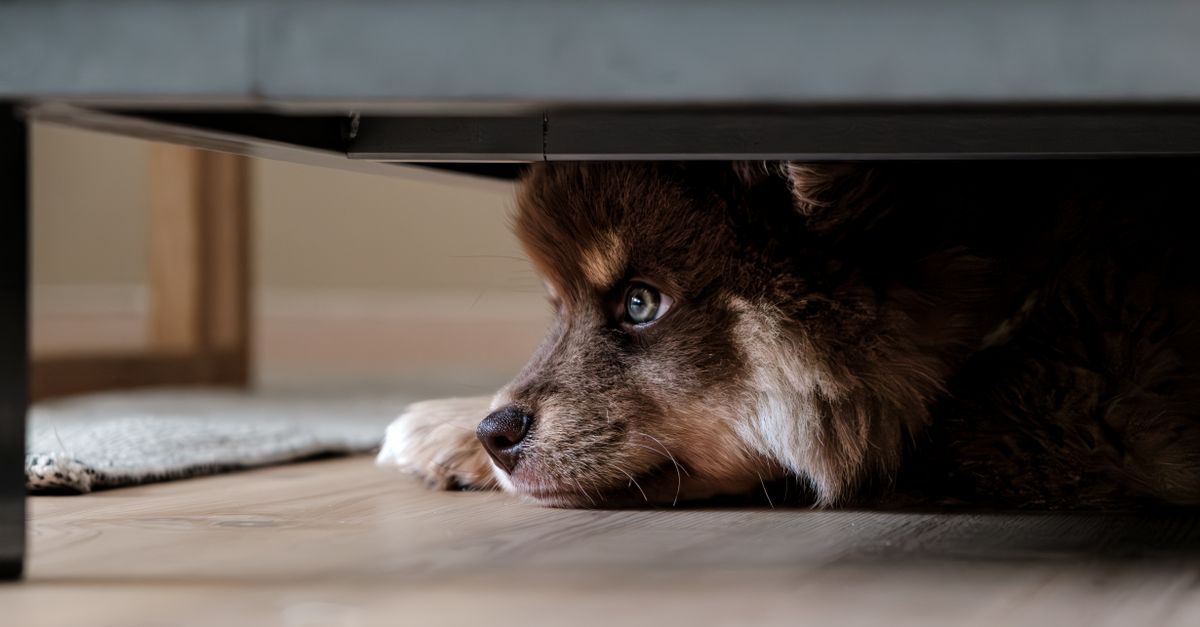
Every dog owner has been there: you walk into a room, and your heart sinks. A perfectly good shoe, the corner of a coffee table, or even a section of the baseboard lies in ruins, gnawed beyond recognition. Your beloved canine, meanwhile, looks up at you with innocent eyes, a tell-tale splinter of wood perhaps hanging from their lip. It’s frustrating, expensive, and often, baffling. Why do they do it? And more importantly, how do you make it stop?
I’ve worked with countless owners grappling with destructive chewing, and I can tell you, it’s rarely just about a ‘bad dog.’ In my experience, most people misunderstand why their dog chews, leading them to ineffective solutions like simply yelling “No!” or buying another cheap squeaky toy. What changed everything for me, and for the dogs I’ve helped, was understanding the root cause. This isn’t just about providing more chew toys; it’s about addressing fundamental needs and redirecting instinctual behaviors. When you understand the ‘why,’ the ‘how’ becomes much clearer and, crucially, much more effective.
Key Takeaways
- Destructive chewing is rarely defiance; it’s often a symptom of unmet needs like boredom, anxiety, or teething pain.
- Relying solely on ‘no’ or punishment is ineffective and can damage your bond; focus on redirection and management instead.
- The right chew toys aren’t just durable; they must match your dog’s chewing style and provide mental stimulation.
- Proactive management, including enrichment, exercise, and a safe space, is more powerful than reactive correction.
The Real Reasons Your Dog Chews (It’s Rarely Just Being ‘Bad’)
The biggest mistake I see owners make is attributing destructive chewing to malice or naughtiness. They think their dog is ‘getting back at them’ or deliberately misbehaving. This couldn’t be further from the truth. Dogs don’t chew out of spite; they chew because it serves a purpose. Understanding these underlying motivations is the first step toward a solution.
1. Boredom and Lack of Mental Stimulation
In my experience, this is the number one culprit, especially for high-energy breeds or dogs left alone for long periods. Imagine being stuck in a room with nothing to do. You’d probably find something to occupy yourself, right? Dogs are no different. Chewing is a natural, self-soothing, and engaging activity. If their environment doesn’t offer appropriate outlets for this energy, your sofa leg might become the most exciting thing in the house. A typical 30-minute walk once a day often isn’t enough to satisfy a dog’s physical and mental needs, especially for breeds like Labs, Border Collies, or even many terriers. They need to think, not just move.
My Perspective: I once worked with a client whose young Boxer was systematically destroying every piece of furniture in their living room. They were walking him twice a day, but that wasn’t engaging his brain. We implemented puzzle toys, regular training sessions that taught new tricks, and sniff walks where he could use his nose. Within two weeks, the furniture destruction stopped almost entirely. It wasn’t that he was ‘bad’; he was just bored out of his mind.
2. Anxiety and Stress Relief
Chewing is a significant stress-relief mechanism for dogs. Just as humans might bite their nails or fidget, dogs chew to cope with anxiety. This can manifest as separation anxiety when you leave, generalized anxiety, or even fear of loud noises. The act of chewing releases endorphins, which have a calming effect. If your dog chews primarily when left alone, when a storm hits, or when there’s chaos in the house, anxiety is a strong possibility.
My Perspective: I had a client with a rescue dog who would chew through drywall whenever the owners left. It was extreme, costly, and dangerous. We addressed the separation anxiety head-on with desensitization exercises, a consistent routine, a safe space (a den-like crate), and long-lasting, calming chews given before they left. It took time, but the destructive chewing became a rare occurrence, replaced by calm napping in his safe space.
3. Teething Pain (Especially for Puppies)
This one is more obvious, but often underestimated. Puppies, like human babies, experience discomfort as their adult teeth erupt. Chewing helps to alleviate this pain by massaging their gums. They don’t know the difference between your designer shoe and a dedicated puppy chew. The problem often escalates when owners don’t provide enough appropriate chew options or don’t understand the intensity of the urge. A puppy’s mouth is their primary way of exploring the world, so everything goes in there.
My Perspective: When I brought home my first puppy, a rambunctious terrier mix, I made the mistake of not having enough variety of puppy-safe chews. He quickly decided my baseboards were fantastic. I learned to keep a rotation of frozen Kongs, rubber chew toys, and dental chews constantly available. Whenever he even looked at a forbidden object, I’d immediately redirect him to an appropriate chew. This consistent redirection during the teething phase was crucial.
4. Investigative Chewing and Exploration
Especially with younger dogs or new rescues, chewing is a way to explore their environment. Their mouth is a sensory organ, much like our hands. They’ll chew to understand texture, taste, and how objects respond. This isn’t driven by boredom or anxiety, but pure curiosity. If an object is interesting, it gets chewed. The issue here is often a lack of appropriate, interesting things to chew on, or too much access to inappropriate interesting things.
5. Attention Seeking
While less common as a primary driver, some dogs learn that chewing something forbidden gets a reaction – even negative attention like yelling or chasing them. For a dog who feels ignored, any attention can be rewarding. This is a classic example of human behavior inadvertently reinforcing an unwanted dog behavior. If your dog grabs something forbidden and then immediately looks at you, waiting for a response, attention-seeking might be part of the equation.
The Crucial Mistakes Most Owners Make (And What I Learned to Do Instead)
Once you understand why your dog chews, you can start to address the how. But here’s where many owners stumble, often reinforcing the very behavior they want to stop.
1. Focusing Solely on Punishment
Shouting “No!” or even swatting your dog after they’ve chewed something is rarely effective in the long term, and it can damage your relationship. Why? Because dogs don’t associate past actions with current punishment. If you scold them minutes or hours after they’ve chewed something, they only learn to be fearful of you or to chew when you’re not around. They don’t connect the punishment to the act of chewing the specific object. This creates a sneaky chewer, not a stopped chewer. In my experience, punishment creates fear, not understanding.
What I Learned: Instead of punishment, focus on interruption and redirection. If you catch them in the act, a sharp, neutral sound (like ‘ah-ah!’ or a clap) can interrupt the behavior, then immediately offer them an appropriate chew. As soon as they take it, praise them enthusiastically. This teaches them what to do instead of just what not to do.
2. Not Providing the Right Chew Toys (Or Enough of Them)
Many owners provide a few chew toys, but they might be the wrong kind, or there aren’t enough readily available. The ‘right’ chew toy is subjective and depends on your dog’s size, age, and chewing style. A gentle chewer needs something different than a power chewer who can demolish a ‘durable’ toy in minutes. Variety is also key to keeping interest.
What I Learned: I advocate for a chew toy buffet and a chewing hierarchy.
- Chew Toy Buffet: Have multiple, appropriate chew toys available in every room your dog has access to. A rotation keeps things fresh. If they have to search for an appropriate toy, they’ll often just grab the nearest forbidden item.
- Chewing Hierarchy: Understand your dog’s chewing strength. Start with softer, more appealing chews (like a filled Kong) and graduate to harder, more durable options. For power chewers, I swear by brands like Benebone, Nylabone (the hard, flavored ones, not the softer ones), and West Paw’s Zogoflex line. Edible chews like bully sticks or dental chews are great, but for short, supervised sessions.
Crucially, make the appropriate chew toys more appealing than forbidden items. For example, a Kong stuffed with peanut butter and frozen is far more rewarding and long-lasting than a boring old shoe.
3. Failing to Manage the Environment Proactively
This is perhaps the most critical, yet often overlooked, strategy. Until your dog learns what is and isn’t appropriate to chew, you must manage their environment. This means preventing access to tempting objects. Expecting a dog, especially a puppy or a newly adopted dog, to instinctively know not to chew your expensive rug is unrealistic.
What I Learned: Puppy-proofing isn’t just for puppies; it’s for all chewers.
- Confinement: When you can’t actively supervise, use a crate, playpen, or a dog-proofed room. This limits their choices to only appropriate items.
- Elevation & Storage: Keep shoes, remotes, glasses, books, and anything else of value off the floor and out of reach. If it’s not available, it can’t be chewed.
- Deterrents (Use with Caution): Bitter apple spray or other taste deterrents can work for specific items, but they don’t solve the underlying problem. Only use these on items you can’t easily move, and always pair it with providing an appropriate chew immediately afterward.
I once worked with a client whose dog was chewing electrical cords. This was a grave safety concern. We used cord protectors, covered outlets, and confined the dog to areas with no exposed cords when unsupervised. It took diligent effort, but it saved that dog’s life.
My Step-by-Step System to Stop Destructive Chewing Permanently
After years of working with problem chewers, I’ve developed a system that addresses the root causes and provides sustainable solutions. This isn’t a quick fix, but it works.
Step 1: Identify the Root Cause(s)
Before you do anything else, be an investigator. Observe your dog. When do they chew destructively? What do they chew? Where does it happen? Is it:
- When left alone? (Anxiety/Boredom)
- When you’re home but busy? (Boredom/Attention-seeking)
- Specific textures (wood, fabric, plastic)? (Teething/Exploration/Preference)
- After certain events (loud noises, visitors)? (Anxiety)
Understanding the context is paramount. Keep a journal for a few days if needed. This insight will inform the rest of your strategy.
Step 2: Implement Strict Environmental Management (The No-Fail Zone)
This is non-negotiable. For a minimum of 2-4 weeks (longer if needed), your dog should never have the opportunity to chew inappropriately.
- Supervision: When your dog is loose in the house, you must be actively supervising them. This means eyes on them, not on your phone. If you can’t supervise, they go into a designated ‘no-fail’ zone.
- No-Fail Zones: This is typically a crate (properly sized and introduced positively), a puppy-proofed room (bathroom, laundry room with everything removed or elevated), or a playpen. Ensure this area has only appropriate chew toys, water, and comfortable bedding.
- Clear the Decks: Remove everything tempting from your dog’s reach. Don’t test them. If you love it, put it away. This includes clothes, shoes, rugs (consider rolling them up temporarily), plants, books, remotes, electrical cords, and furniture they can access.
My rule of thumb: If it’s worth more than a few dollars or is irreplaceable, it needs to be out of reach. This phase is about breaking the habit of chewing forbidden items and preventing reinforcement.
Step 3: Provide a “Chew Buffet” & High-Value Enrichment
This directly addresses boredom, teething, and exploratory chewing. Quality and variety are crucial.
- Variety of Appropriate Chews: Offer 3-5 different types of durable chews. Examples:
- Interactive/Stuffable: Kongs (classic, extreme), West Paw Toppl, Lickimats. Stuff with wet food, peanut butter, yogurt, or broth and freeze for long-lasting engagement.
- Durable Non-Edible: Benebones, Nylabones (vet-approved hardness for your dog’s size), West Paw Zogoflex toys (like Hurley, Tux, Jive).
- Edible (Supervised Only): Bully sticks, dental chews, raw bones (discuss with your vet first). These are for supervised, limited sessions. Do not leave your dog alone with edible chews that could be choked on or consumed too quickly.
- Puzzle Toys & Feeder Toys: These are incredible for mental stimulation. Use them for meals instead of a bowl. This forces your dog to ‘work’ for their food, replicating natural foraging behavior. Examples: snuffle mats, slow feeder bowls, KONG Wobbler, various puzzle feeders.
- Regular Rotation: Don’t leave all toys out all the time. Rotate them every few days to keep them novel and exciting. Keep a ‘stash’ of fresh, clean, exciting toys.
Step 4: Boost Exercise and Mental Stimulation
This is often the missing piece. A tired dog (both physically and mentally) is a good dog. Adjust based on your dog’s breed, age, and energy levels.
- Physical Exercise: Beyond leashed walks, incorporate off-leash play (if safe and permitted), fetch, flirt poles, or running. Aim for at least 60-90 minutes of active exercise daily for most adult dogs, often split into multiple sessions. Puppies need more frequent, shorter bursts.
- Mental Exercise: This is as important as physical. Ideas:
- Training Sessions: 5-10 minute sessions, 2-3 times a day, teaching new commands or perfecting old ones. Mental work is exhausting.
- Scent Work: Hide treats around the house or yard and let your dog sniff them out. This engages their most powerful sense and is incredibly tiring.
- “Find It” Games: Throw treats into tall grass or scatter them on a blanket and let them search.
- Enrichment Walks: Instead of just walking, let your dog sniff, explore, and investigate smells. This is a mental workout.
Step 5: Practice Consistent Redirection and Positive Reinforcement
This is where you actively teach your dog what to chew.
- Catch in the Act: If you see your dog chewing an inappropriate item, immediately interrupt with a neutral sound (e.g., a sharp ‘ah-ah!’ or clap). Do not yell, chase, or scold. The goal is to stop the action without creating fear.
- Redirect: As soon as they pause, immediately offer them an appropriate chew toy. Wiggle it, make it enticing. Make it clear this is the acceptable alternative.
- Praise & Reward: The moment your dog takes the appropriate chew and starts chewing it, give enthusiastic verbal praise (‘Good chew!’) and a high-value treat. This reinforces that chewing the right thing is highly rewarding.
- Consistency is Key: Every single time. Anyone in the household who interacts with the dog must follow this protocol.
Step 6: Address Anxiety (If Applicable)
If you suspect anxiety is a primary factor, this requires a more targeted approach.
- Create a Safe Haven: A comfortable crate or a designated ‘den’ area in a quiet part of the house can provide security. Never use the crate as punishment.
- Consistent Routine: Dogs thrive on predictability. Stick to a consistent schedule for feeding, walks, potty breaks, and playtime.
- Calming Aids: Consider pheromone diffusers (like Adaptil), calming supplements (discuss with your vet first), or thunder shirts for situational anxiety. For severe cases, consult a veterinarian or a certified professional dog trainer/behaviorist. They can rule out medical issues and provide advanced behavior modification plans, potentially including medication.
By systematically applying these steps, you’ll not only stop the destructive chewing but also build a stronger bond with your dog based on understanding, clear communication, and meeting their needs.
Frequently Asked Questions
Q: My dog only chews when I’m gone. Is it separation anxiety?
A: It’s a strong indicator. If chewing occurs only when left alone, especially at doorways, windows, or items heavily scented with your presence, separation anxiety is very likely. Look for other symptoms like excessive vocalization, pacing, or house-soiling when alone. Environmental management, a safe space, long-lasting puzzle toys given before you leave, and desensitization training are key. For severe cases, consult a professional behaviorist.
Q: What’s the best type of chew toy for a power chewer?
A: For power chewers, focus on virtually indestructible, non-edible options like Benebone, Nylabone (the extra-hard variety), or West Paw’s Zogoflex toys (like the Hurley or Tux). Stuffed and frozen KONG Extreme toys are also excellent for long-lasting engagement. Avoid plush toys or rawhide, as these can be quickly destroyed and pose choking hazards.
Q: My puppy is teething. What can I do to help him?
A: Offer a wide variety of puppy-safe chew toys. Freezing KONGs filled with wet food or peanut butter, frozen carrots, or even ice cubes can provide soothing relief for sore gums. Soft rubber puppy chew toys and dental chews are also excellent. Always supervise with edible chews. Redirect immediately if your puppy tries to chew on furniture or your hands.
Q: Can I use bitter apple spray to deter chewing?
A: Bitter apple spray can be a useful tool for specific items that are difficult to remove (like furniture legs or electrical cords), but it’s not a solution on its own. It acts as a deterrent by making the item unappealing. Always combine it with providing an appropriate, high-value chew toy nearby and praising your dog for choosing that instead. Test on an inconspicuous area first to ensure it doesn’t stain.
Q: How long does it take to stop destructive chewing?
A: The timeline varies significantly depending on the dog’s age, the root cause, and the consistency of your training. For puppies, teething usually subsides around 6-8 months, but the learned habit of chewing needs continued management. For adult dogs, you might see significant improvement in a few weeks with consistent environmental management and redirection, but breaking a deeply ingrained habit can take several months. Patience and consistency are paramount.
Conclusion
Destructive chewing, while frustrating, is a completely solvable problem when approached with understanding and consistency. It’s not about having a ‘bad dog,’ but rather about identifying and addressing their unmet needs. By providing appropriate outlets, managing their environment, and consistently redirecting them to acceptable chews, you can transform your super chewer into a well-adjusted companion who understands what’s theirs to enjoy and what’s off-limits. Start by observing, implement the no-fail zone, and commit to the process. Your shoes, and your sanity, will thank you.