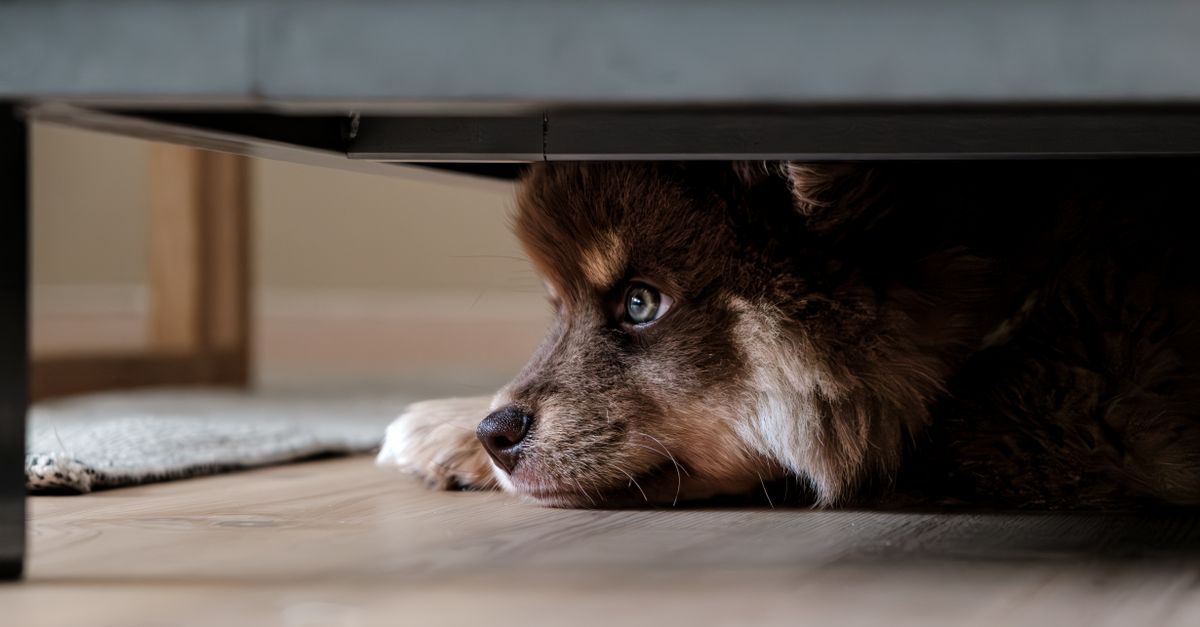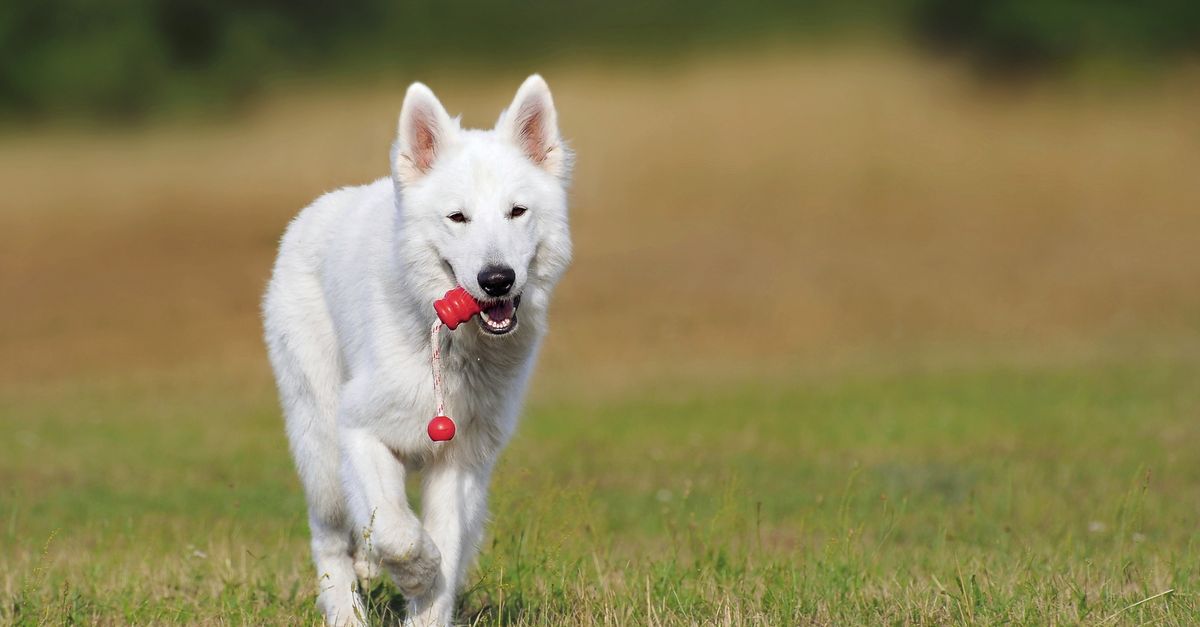
A client came to me convinced her six-month-old puppy was simply “too stubborn” to learn recall. She’d practiced “come” in the living room dozens of times with treats, and the puppy responded reliably every single time — until they got to the dog park, where the puppy acted as if the word had never been spoken. This is one of the most common recall complaints I hear, and it’s almost never about stubbornness or intelligence. It’s about a training gap that’s baked into how most owners naturally teach the cue, without realizing what they’re actually building.
Key Takeaways
- Most recall training happens in low-distraction environments and never gets systematically generalized to higher-distraction ones — the puppy learns “come” only applies to the living room.
- Calling a puppy to end something fun (playtime, off-leash time) teaches them that recall predicts the end of good things, which actively undermines reliability.
- A recall cue used inconsistently, or repeated multiple times before it’s obeyed, teaches the puppy that the word itself is optional background noise.
- Reliable recall is built in deliberate stages of increasing distraction and distance, not by simply repeating the same living-room drill for months.
Living Room Success Doesn’t Transfer Automatically
Dogs don’t generalize learning the way humans instinctively assume they will. A puppy who reliably comes when called in a quiet living room hasn’t actually learned “the word ‘come’ means return to my owner in all situations.” What they’ve often learned instead is a much narrower rule: “in this specific room, with this specific level of distraction, this word predicts a treat.” The moment the environment changes — a park with squirrels, other dogs, unfamiliar smells — that narrow rule doesn’t automatically apply, because to the puppy, it’s genuinely a different context.
This is the single most common training gap I diagnose. Owners assume that because the cue “worked” indoors, the dog understands the concept broadly, when in reality the dog has learned a highly context-specific association that needs to be deliberately and gradually expanded.
Actionable insight: Treat recall training as a series of distinct environments to conquer one at a time — living room, then backyard, then quiet park, then busy park — rather than a single skill mastered once indoors and assumed to transfer everywhere else.
The Trap of Calling Your Dog to End Something Fun
Here’s a mistake I see constantly, usually from well-meaning owners: calling the dog to leave the dog park, to end a play session, to come inside for the night, or to get a nail trim. Each of these instances teaches the puppy, through repeated real-world experience, that recall reliably predicts the end of something enjoyable or the start of something unpleasant. Dogs are exceptionally good at picking up on these patterns, and over weeks and months, this erodes recall reliability even in a dog who initially responded well.
The fix isn’t to stop calling your dog when you genuinely need them — that’s unavoidable in daily life. It’s to consciously overload the ratio with positive outcomes. For every “less fun” recall (ending play, coming in for the night), aim for several recalls that lead to something clearly good: a treat, a game, continued freedom, or simply enthusiastic praise before being released to go play again.
Actionable insight: After calling your dog to end a fun activity, don’t always immediately follow through with the ending — occasionally call them, reward heavily, and then release them to continue playing. This breaks the direct association between recall and the end of fun.
Repeating the Cue Teaches the Opposite of What You Want
Watch most owners struggle with recall and you’ll notice a pattern: “Come. Come! Come ON. COME HERE.” Each repetition that goes unanswered actually teaches the puppy that the cue is optional and doesn’t require immediate response — the dog learns that “come” is really more like background noise until the fifth or sixth repetition, often paired with rising frustration in the owner’s tone, which can additionally make approaching feel less appealing.
I train every client to say the cue exactly once, and if the puppy doesn’t respond, to immediately close distance, make themselves more interesting (crouching, using an excited tone, patting the ground), or use a leash to guide rather than repeating the word. This preserves the cue’s meaning as a single, reliable signal rather than diluting it through repetition.
Actionable insight: Say the recall cue once. If there’s no response within a couple seconds, don’t repeat it — instead move toward your dog, become more physically animated and exciting, and reward any movement toward you generously. Save the verbal cue for moments you can reasonably guarantee a response.
Building Distance and Distraction Deliberately, in Stages
Reliable recall isn’t built by more repetition of the same drill — it’s built through deliberately staged difficulty increases along two separate variables: distance and distraction. Most owners increase both at once (taking a puppy who’s mastered a 5-foot indoor recall straight to an off-leash dog park), which is far too large a jump and sets the puppy up to fail and practice ignoring the cue, which is the opposite of what you want to reinforce.
The better sequence: master short-distance recall in a low-distraction space first, then gradually increase distance while keeping distraction low, then reintroduce short distance but add mild distraction (another person nearby, a toy on the ground), and only combine long distance with high distraction once both variables have been independently mastered. A long line (15-30 feet) is one of the most useful tools during this phase, since it lets you practice around real distractions while still being able to physically guide the outcome if the puppy doesn’t respond, rather than testing recall off-leash before it’s reliable enough to trust.
Actionable insight: Use a long line to practice recall around real-world distractions well before your puppy is ready for off-leash freedom. It lets you set up winnable scenarios instead of testing a skill that isn’t fully built yet.
Not All Rewards Carry the Same Weight
A recall reward has to compete with whatever the puppy is currently engaged with — another dog, an interesting smell, a squirrel three trees away. A single dry training treat that works perfectly indoors often can’t compete with that level of environmental stimulation, and owners are frequently confused when a reward that “worked yesterday” suddenly seems to fail. The issue usually isn’t the training, it’s that the reward’s value hasn’t kept pace with the distraction level being asked of the puppy.
I recommend keeping a tiered reward system: everyday treats for low-distraction practice, and a small set of genuinely high-value rewards — real chicken, cheese, a favorite tug toy — reserved specifically for higher-distraction recalls. Some dogs are more motivated by play or access to a specific activity than by food at all, and figuring out what your individual puppy values most in a high-distraction moment is worth the early investment, since it directly determines how competitive your recall reward actually is against the environment.
Actionable insight: Identify your puppy’s single highest-value reward — through trial, not assumption — and reserve it exclusively for recall practice in higher-distraction environments, rather than using it interchangeably with everyday training treats.
Frequently Asked Questions
At what age should I start recall training?
As early as 8 weeks old, using very short distances and heavy rewards indoors. Early recall training builds the foundation, even though full reliability around real distractions typically takes many months of staged practice.
My puppy has great recall at home but ignores me completely outside. Is something wrong?
No — this is the most common recall pattern and reflects the context-specific learning gap described above, not a training failure or a stubborn dog. It means the environment needs to be introduced gradually rather than jumped into.
Should I ever punish a puppy for not coming when called?
No. Punishing a delayed or failed recall, even mildly, teaches the puppy that coming to you can lead to something unpleasant, which actively damages recall reliability going forward — regardless of how frustrated you are in the moment.
How long does it typically take to build reliable off-leash recall?
Most puppies need several months of staged, consistent practice to reach genuinely reliable recall around real distractions, and some dogs (particularly high-prey-drive breeds) may need ongoing management around specific triggers indefinitely.
Is a long line better than a retractable leash for recall training?
Yes — a standard long line gives consistent, predictable length and control, while retractable leashes have variable tension and length that can create inconsistent feedback and even safety issues during training.
Recall reliability isn’t about finding the right treat or the right tone of voice — it’s about deliberately building the skill across genuinely different environments and protecting the cue’s meaning along the way. The puppy that ignores you at the park isn’t defiant; they simply haven’t been taught that this specific environment counts yet.