An owner once told me, half-joking, that her vet “brought up the weight thing again” like it was a nagging in-law. Her cat, a sweet orange tabby named Biscuit, weighed 16 pounds and had for years. “He’s just a big-boned cat,” she said. He wasn’t. Biscuit was carrying roughly six pounds of excess fat on a frame built for ten, and by the time his knees and kidneys started showing it, the conversation had shifted from “let’s manage this” to “we have real problems now.” I watched this exact scenario play out more times than I can count, and it’s rarely about vanity or nagging. It’s about a genuinely dangerous, genuinely common condition that the scale alone doesn’t fully capture.
Key Takeaways
- Roughly 60% of cats in the U.S. are classified as overweight or obese, making it one of the most common health issues in cats, not a rare edge case.
- Weight in pounds means less than body condition score (BCS) — a 12-pound Maine Coon and a 12-pound domestic shorthair can be at completely different points on the health spectrum.
- Feline obesity is directly linked to diabetes, arthritis, and reduced lifespan, and cats develop diabetes at a rate strikingly similar to humans with excess weight.
- Free-feeding dry food is the single most common driver of feline weight gain I saw in clinical practice.
The Number on the Scale Isn’t the Diagnosis
Cats vary enormously in frame size — a Maine Coon and a petite domestic shorthair can both weigh 12 pounds and be at opposite ends of healthy. This is why vets rely on body condition scoring (BCS), a hands-on assessment on a scale (usually 1-9) that evaluates whether ribs, waist, and abdominal fat are where they should be, rather than fixating on a number on a scale that means little without context.
A cat at ideal weight should have ribs you can feel easily under a thin layer of fat when you run your hand along the sides, without pressing hard. Looking down from above, there should be a visible waist behind the ribs. From the side, the abdomen should tuck up slightly rather than hang or bulge. I walked owners through this hands-on check constantly, because most had never been shown what “ideal” actually feels like under their own hands — they were relying entirely on a number that told them almost nothing on its own.
Actionable insight: Run your hands along your cat’s ribs this week. If you have to press firmly to feel them, or can’t feel them at all, that’s a more reliable signal than any number on a scale, and it’s worth bringing up at the next visit specifically in those terms.
Why This Isn’t a Cosmetic Issue
Feline obesity isn’t a minor aesthetic concern — it’s a direct driver of some of the most common and serious conditions I saw walk through clinic doors. Overweight cats are up to four times more likely to develop type 2 diabetes, largely because excess fat tissue reduces insulin sensitivity in a way that mirrors the mechanism in humans. Once a cat becomes diabetic, it typically means lifelong insulin injections, strict feeding schedules, and a materially shortened healthy lifespan if not managed precisely.
Excess weight also accelerates arthritis, particularly in a species that’s remarkably good at hiding joint pain. A cat that’s stopped jumping onto the counter or hesitates before the couch isn’t necessarily “just getting old” — that’s frequently the first visible sign of joint stress that’s been building for years under extra weight. Add to that increased surgical and anesthesia risk, a higher likelihood of urinary issues, and reduced grooming ability leading to a matted, unkempt coat, and the pattern becomes clear: weight isn’t a side conversation. It’s often the single biggest modifiable risk factor for a cat’s long-term health.
Actionable insight: If your cat has quietly stopped jumping to favorite high spots, don’t file it under “getting older” without a vet visit first. That behavior change is one of the most reliable early indicators of joint pain linked to excess weight.
The Free-Feeding Trap
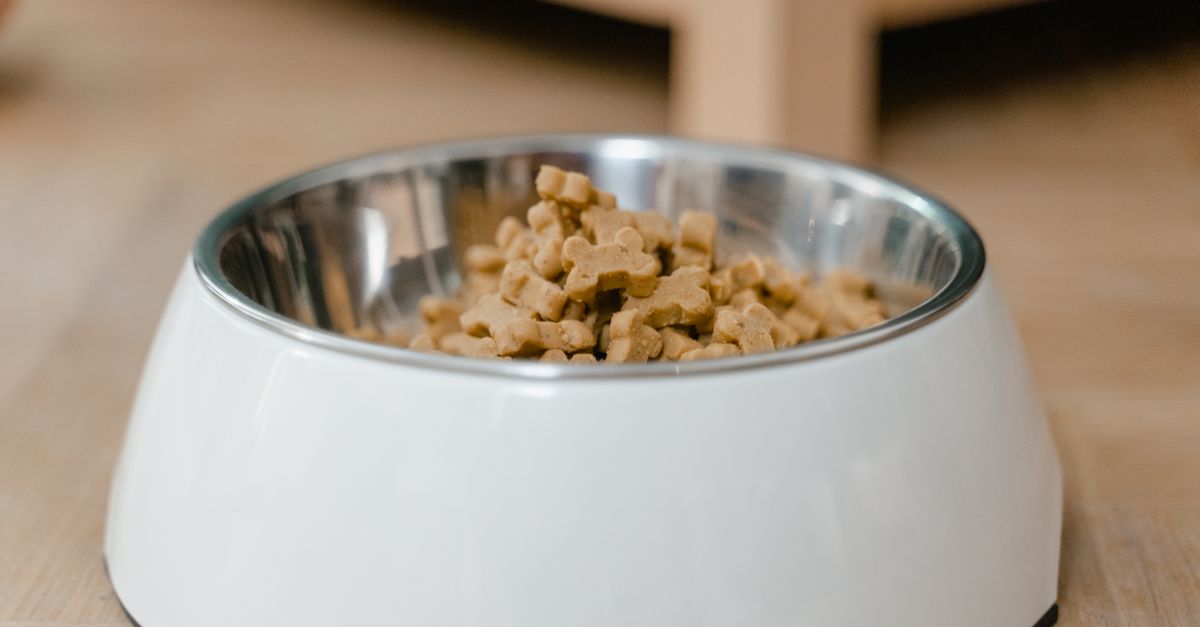
If I had to name the single biggest driver of feline weight gain I saw repeatedly, it would be free-feeding dry food — leaving a full bowl out around the clock. Dry kibble is calorie-dense and easy to overconsume, and cats, unlike some other species, don’t reliably self-regulate intake when food is always available, especially indoor cats with limited activity and enrichment.
The math is deceptively simple and deceptively brutal: an average 10-pound indoor cat typically needs only around 180-220 calories a day, and a single cup of many dry foods can run 300-400 calories on its own. Owners consistently underestimate how few calories their cat actually needs, especially compared to the recommended serving size printed on the bag, which is often calibrated for much more active cats than the average indoor pet.
Actionable insight: Ask your vet for your specific cat’s daily calorie target based on their current weight and ideal weight, then measure food with an actual kitchen scale or measuring cup rather than eyeballing a bowl fill. This single change is the most effective intervention I saw owners make.
Weight Loss in Cats Has to Be Slow — This Isn’t Optional
Here’s a detail that surprises most owners and genuinely matters: rapid weight loss in cats is dangerous, not just ineffective. If a cat’s calorie intake drops too sharply, especially an overweight cat, the liver can be overwhelmed trying to process mobilized fat, leading to a serious and potentially fatal condition called hepatic lipidosis. This is why crash diets or suddenly cutting a cat’s food in half is actively risky rather than simply inefficient.
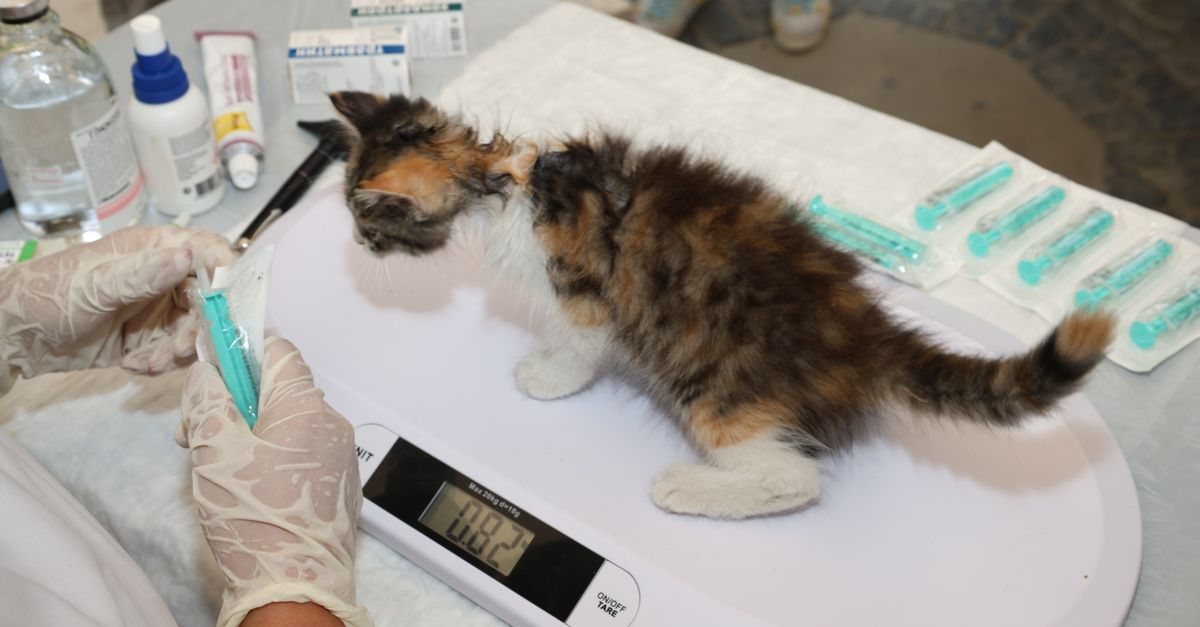
Safe feline weight loss targets roughly 1-2% of body weight loss per week, achieved through a calculated calorie deficit and a gradual food transition — not an abrupt cutoff. This is a process that genuinely needs veterinary guidance rather than a guess based on what worked for a friend’s cat.
Actionable insight: Never withhold food from an overweight cat to force weight loss on your own timeline. Work with your vet on a calculated, gradual calorie reduction plan, and monitor weight monthly rather than trying to eyeball progress.
Enrichment Matters as Much as Portion Size
Weight management in cats isn’t only about how much food goes in — it’s also about how much activity comes out, and this is a piece owners frequently underestimate for indoor cats especially. A cat who eats a perfectly portioned meal but spends the rest of the day sleeping on a windowsill is working with a very different energy balance than one who’s chasing a wand toy, climbing a cat tree, or working a puzzle feeder for part of their calories.
I encourage owners to think of enrichment as a legitimate part of a weight plan, not a separate “nice to have.” Puzzle feeders that require batting or nudging to release kibble turn a passive meal into several minutes of activity. Scheduled play sessions with a wand toy, ideally timed before a meal to mimic a natural hunt-then-eat sequence, meaningfully increase daily activity for cats who otherwise get very little. Vertical space — cat trees, shelves, window perches — encourages movement throughout the day in a way a purely horizontal living space doesn’t.
Actionable insight: Introduce at least one puzzle feeder for a portion of your cat’s daily food, and schedule two short, dedicated play sessions a day rather than relying on your cat to self-initiate activity, which most indoor cats simply won’t do on their own.
Frequently Asked Questions
How do I know if my cat is actually overweight versus just big-framed?
Feel for the ribs — you should be able to feel them easily under a thin fat layer without pressing hard. Check for a visible waist from above and a slight abdominal tuck from the side. If none of these are present, your vet can confirm with a formal body condition score.
Is wet food better than dry food for weight management?
Generally yes for weight-prone cats — wet food has higher moisture and protein content relative to calories, tends to be more satiating, and is harder to free-feed in large volumes compared to dry kibble left out all day.
My cat begs constantly even after eating. Is this normal?
Persistent begging shortly after a meal is often behavioral or driven by feeding schedule rather than genuine caloric need, but it’s worth ruling out with your vet, since certain medical conditions can also increase appetite.
How fast should an overweight cat lose weight?
Roughly 1-2% of body weight per week under veterinary guidance. Faster weight loss risks hepatic lipidosis, a serious liver condition — never restrict an overweight cat’s food drastically without a vet-supervised plan.
Can indoor cats realistically stay at a healthy weight without special diet food?
Yes, with portion control and measured feeding rather than free-feeding. Prescription weight management diets can help in resistant cases, but portion control with a standard quality diet is often sufficient as a first step.
The weight conversation at the vet isn’t nagging — it’s one of the most actionable health interventions available for a cat, and one most owners genuinely don’t realize is a problem until the downstream conditions show up. A hands-on check at home is worth more than the number on any scale.