When I first became a pet parent, I bought the cutest dog bowls I could find. One was a colorful ceramic, the other a convenient plastic travel bowl. I thought I was doing great – bright, cheerful, and functional. It wasn’t until my vet, Dr. Evans, subtly nudged me during a routine check-up, asking about my dogs’ bowls, that I realized I was making a fundamental mistake that could impact their health.
“What kind of bowls are you using, Sarah?” she asked, her tone casual but her gaze direct. When I told her, she didn’t scold me, but calmly explained the often-overlooked risks associated with certain materials and why, for her own pets and the vast majority of her patients, stainless steel is the undeniable champion. This wasn’t just about cleanliness; it was about bacterial growth, chemical leaching, and even allergies. What I thought was a simple purchase turned out to be a critical health decision.
I share this because many pet parents, myself included, don’t think twice about the dog bowl beyond its size and appearance. But the material your dog eats and drinks from daily can have a profound, long-term impact on their well-being. After digging into the research and swapping out my own bowls, I’ve become a staunch advocate for stainless steel. It’s not the flashiest option, but it’s the smartest. Let’s break down why.
Key Takeaways
- Plastic bowls are a breeding ground for bacteria and can leach harmful chemicals, leading to skin irritation and potential long-term health issues.
- Ceramic bowls, while attractive, often contain lead or other heavy metals in their glazes, which can chip and poison your dog over time.
- Silicone bowls are a better travel option than plastic but still pose durability and cleaning challenges for daily use due to their porous nature.
- Stainless steel bowls are the safest, most durable, and easiest to clean, resisting bacteria and chemical leaching, making them the superior choice for your dog’s health.
The Unseen Dangers of Plastic Bowls: More Than Just Scratches
For years, plastic dog bowls were the go-to for many pet owners, myself included. They’re cheap, lightweight, and come in every color imaginable. But in my experience, their convenience comes at a significant cost to your dog’s health. The mistake I see most often is pet parents overlooking the microscopic world thriving on plastic surfaces.
Think about it: plastic scratches easily. Those tiny scratches and nicks aren’t just cosmetic; they create perfect hiding spots for bacteria like E. coli and Salmonella, even after washing. A study by NSF International (though focused on human kitchen items, the principle applies) found pet bowls to be among the germiest items in the home. Plastic bowls, with their inevitable surface damage, exacerbate this issue. It becomes nearly impossible to properly sanitize them, leading to a constant cycle of bacterial exposure with every meal.
Beyond bacteria, there’s the insidious problem of chemical leaching. Many plastic bowls contain BPA (Bisphenol A) or phthalates, chemicals linked to hormone disruption and other health problems in animals and humans. While some manufacturers now market “BPA-free” plastic, it’s often replaced with other, less-studied bisphenols (like BPS or BPF) that may carry similar risks. Over time, especially with exposure to heat (like from dishwashers) or repeated use, these chemicals can leach into your dog’s food and water. My own experience with a dog developing a mild chin acne, which mysteriously cleared up after switching from a plastic bowl, made me a believer in the cumulative effect of these seemingly minor exposures.
Why Ceramic Bowls Aren’t the Safe Alternative You Think They Are
After ditching plastic, many pet parents turn to ceramic bowls, believing they’re a safer, more aesthetically pleasing option. I did too! They look substantial, come in beautiful designs, and feel more upscale. However, what changed everything for me was learning about the hidden dangers lurking in the glaze itself.
Many ceramic glazes, particularly on cheaper or imported bowls, contain lead or cadmium. These heavy metals are used to create vibrant colors and a smooth finish. While the manufacturer might claim they’re safe, chips and cracks inevitably happen with daily use, especially with enthusiastic eaters or rambunctious puppies. Once the glaze is compromised, lead can leach into your dog’s food and water. Lead poisoning in dogs can cause a range of severe symptoms, including gastrointestinal issues, neurological problems, and anemia. It’s a slow, silent poison that accumulates over time, often going undiagnosed until it’s severe.
Even lead-free ceramic bowls can be problematic. The porous nature of unglazed or thinly glazed ceramic can also harbor bacteria if not perfectly clean, similar to plastic. And the weight, while initially seeming like a benefit, means they’re prone to shattering if dropped. A shattered ceramic bowl isn’t just a mess; it’s a hazard with sharp shards that can injure both pets and humans. In my experience, the visual appeal of ceramic simply doesn’t outweigh the potential health and safety risks.
The Limitations of Silicone Bowls: Great for Travel, Not for Everyday
Silicone bowls have gained popularity, especially for travel, thanks to their collapsible nature and perceived safety compared to plastic. They are indeed a step up from typical plastic for portability, but I’ve found they fall short for daily, long-term use.
Firstly, while silicone is generally considered food-safe and doesn’t leach BPA or phthalates, it’s not entirely non-porous. Over time, especially if not meticulously cleaned, silicone can absorb food odors and residue, becoming harder to sanitize effectively than stainless steel. I’ve noticed a subtle, lingering smell even after washing if I don’t give them a thorough scrub. This porosity means they can also harbor bacteria if not cleaned properly.
Secondly, while flexible for packing, this flexibility is a drawback for daily feeding. Energetic eaters can easily tip them over, leading to spilled food and water. This makes them less practical for a permanent feeding station. Durability, while better than cheap plastic, isn’t on par with stainless steel either. My experience is they can still be chewed through by determined dogs, and their softer texture makes them less resistant to scratches from cutlery if you’re scraping out sticky food.
For a hike or a road trip, a silicone bowl is a fantastic, compact solution. But for the consistent, hygienic needs of home feeding, it remains a compromise rather than the ideal choice.
Why Stainless Steel Reigns Supreme: The Smart Choice for Savvy Pet Parents
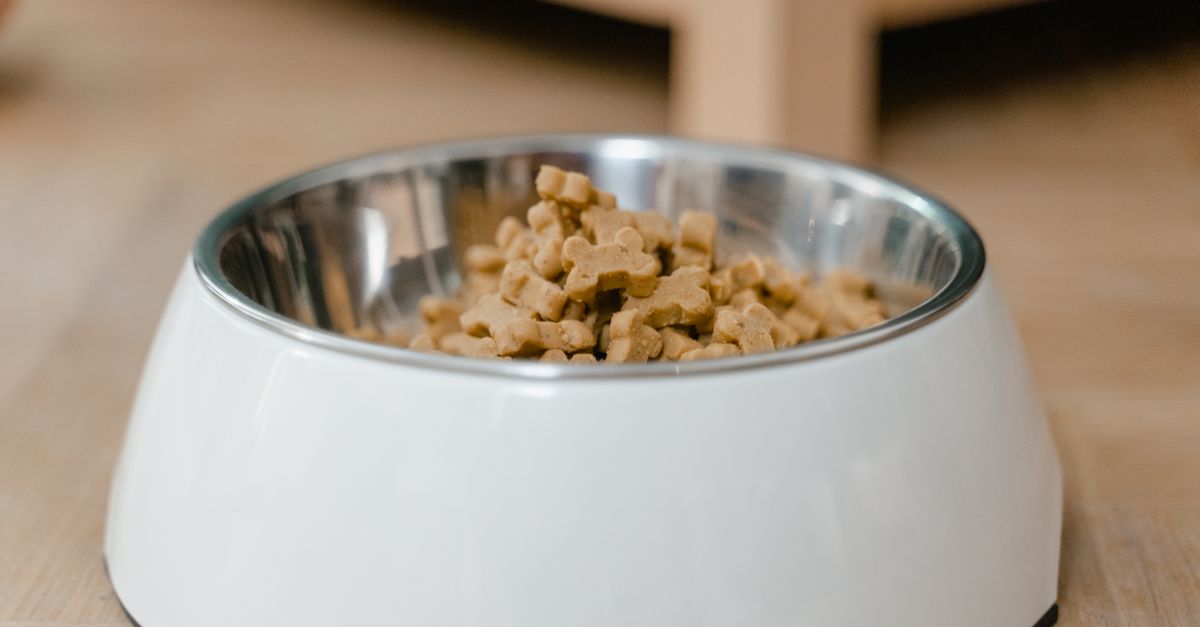
After my conversation with Dr. Evans and doing my own deep dive, I transitioned all my dogs’ bowls to stainless steel. It was a game-changer, not just for their health, but for my peace of mind. Stainless steel is, in my opinion, the only dog bowl material that truly checks all the boxes for safety, hygiene, and durability.
The primary reason stainless steel is superior is its non-porous surface. This means there are no tiny scratches or nooks for bacteria to hide in. Food and water don’t get absorbed into the material, making it incredibly easy to clean and sanitize. A quick wash with soap and hot water, or a run through the dishwasher, and it’s truly clean. This drastically reduces the risk of bacterial contamination that can lead to digestive upset, skin irritation (like chin acne), or more serious infections.
Furthermore, stainless steel is chemically inert. It doesn’t leach harmful chemicals like BPA, phthalates, lead, or cadmium into your dog’s food or water, even with prolonged exposure or heat. This is crucial for long-term health, as it eliminates a silent source of potential toxins from your dog’s daily intake. In my experience, this alone is reason enough to switch.
Finally, stainless steel bowls are incredibly durable. They are resistant to rust (look for food-grade stainless steel like 304 or 18/8), chewing, and corrosion. They won’t shatter if dropped, and a good quality bowl will last for years, making them a cost-effective choice in the long run despite a slightly higher initial price. They also come in various styles, including non-slip bases and double-wall insulated versions for outdoor use, adding practical benefits.
I always recommend investing in a good set of stainless steel bowls for every dog parent. It’s a simple, proactive step that significantly contributes to your dog’s overall health and hygiene.
Frequently Asked Questions
Q: Can my dog get chin acne from their bowl? How?
A: Yes, absolutely. Chin acne, or folliculitis, is common in dogs who use plastic bowls. The microscopic scratches on plastic bowls harbor bacteria, even after washing. When your dog’s chin rubs against these bowls, bacteria can enter hair follicles, leading to inflammation and infection. Switching to a non-porous, easily sanitized stainless steel bowl often resolves this issue within weeks.
Q: How often should I clean my dog’s stainless steel bowls?
A: For water bowls, daily rinsing and cleaning with soap and hot water are ideal to prevent biofilm buildup. For food bowls, they should be washed thoroughly after every meal, especially if you feed wet or raw food. Regular cleaning is key, even with stainless steel, to maintain optimal hygiene.
Q: Are all stainless steel bowls safe? What should I look for?
A: Most food-grade stainless steel is safe. Look for bowls labeled “304 stainless steel” or “18/8 stainless steel.” These designations indicate high-quality, corrosion-resistant stainless steel. Avoid anything labeled simply “stainless steel” without a grade, or very cheap, flimsy bowls, as they might contain lower-quality alloys that are less resistant to rust and wear.
Q: My dog is a vigorous chewer. Will they destroy a stainless steel bowl?
A: While a determined super-chewer might eventually leave some marks, stainless steel bowls are far more resistant to chewing than plastic or silicone. The vast majority of dogs will not be able to chew through a good quality stainless steel bowl. If your dog tries to chew it, the cold, hard surface is typically less satisfying than softer materials, often discouraging the habit.
Q: What about travel? Are there good stainless steel options for on-the-go?
A: Yes! Many brands offer collapsible stainless steel bowls with silicone lids for travel, or compact, stackable designs. While silicone collapsible bowls are convenient for short trips, a good stainless steel travel bowl provides the same hygienic benefits as their home counterparts, ensuring your dog’s safety even on the go.
Conclusion
Choosing the right dog bowl material might seem like a small detail, but it’s one of those foundational decisions that can have a surprisingly big impact on your dog’s health and your daily routine. My own journey, spurred by my vet’s subtle wisdom, showed me that prioritizing hygiene and safety over aesthetics or initial cost is always the smarter play. Stainless steel stands head and shoulders above other materials, offering an unmatched combination of safety, durability, and ease of cleaning. If you’re still using plastic or ceramic bowls, I strongly recommend upgrading to stainless steel. It’s a simple change, but it’s an investment in your dog’s long-term well-being that truly pays off.