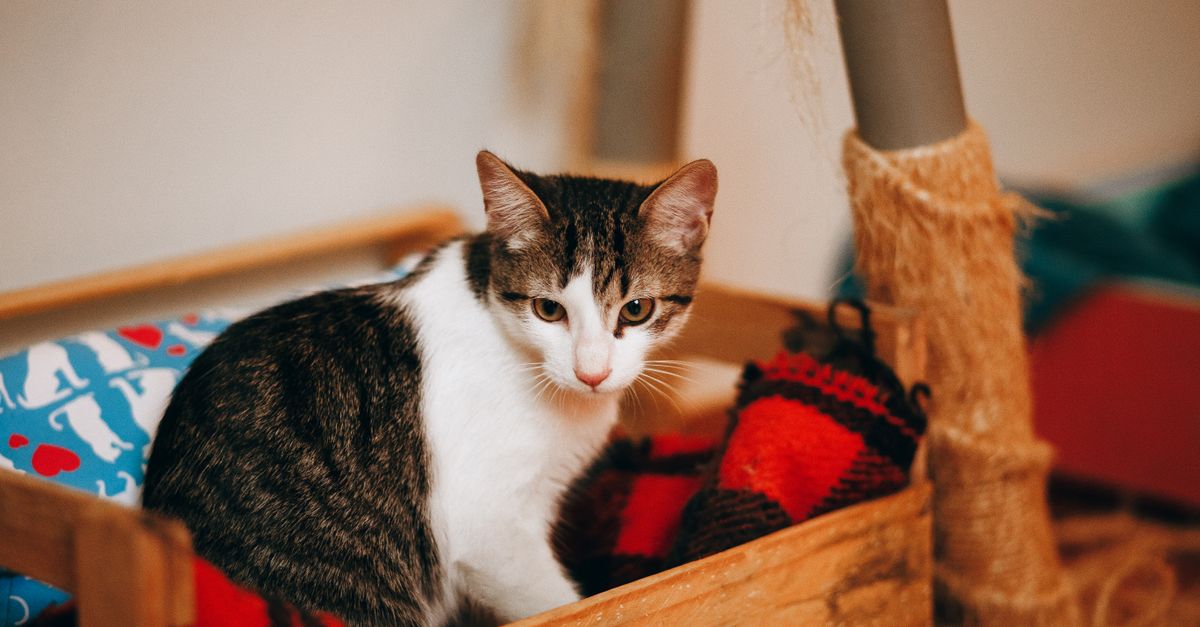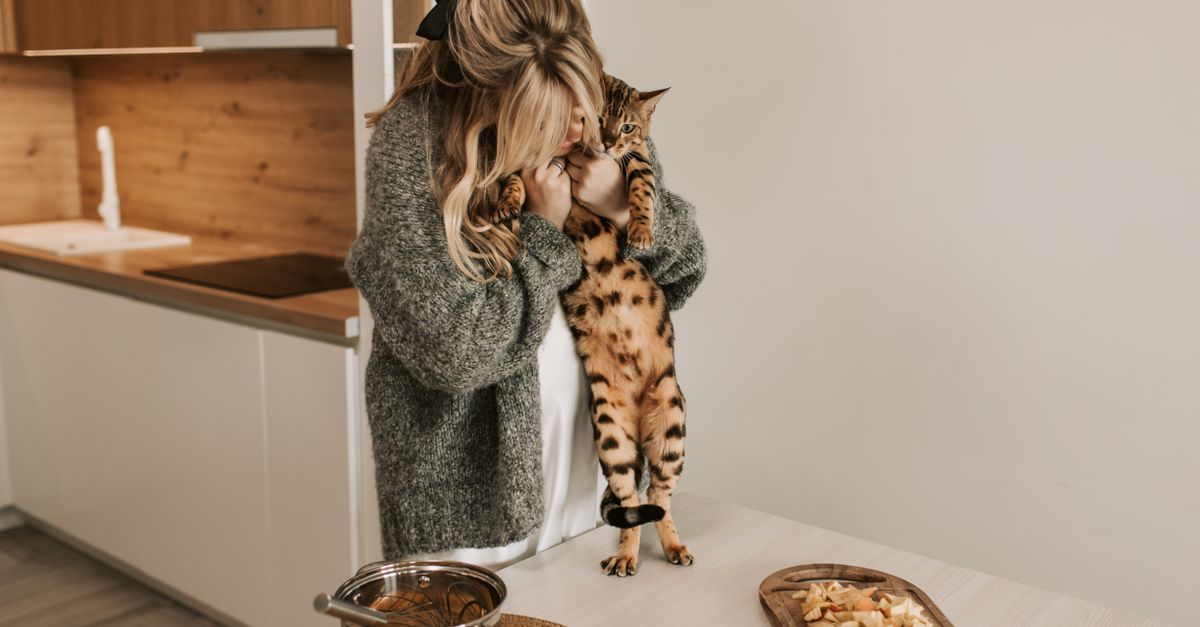
Is your feline friend turning up their nose at every meal? Are you cycling through expensive cat food brands, desperately trying to find something, anything, they’ll deign to eat? I’ve been there. My rescue cat, Luna, arrived with a gourmet palate that made me feel more like a personal chef than a cat owner. She’d refuse anything but a specific brand of salmon pate, and even that was often met with a suspicious sniff before a dainty, grudging bite. I wasted so much money on rejected food, worried endlessly about her nutrition, and grew increasingly frustrated with her finicky habits.
The common advice—“just leave it, they’ll eat when they’re hungry”—often backfires spectacularly with cats, leading to stress, nutritional deficiencies, and even serious liver issues. In my experience, picky eating in cats isn’t just a quirky personality trait; it’s often a complex issue rooted in their evolutionary biology, early experiences, environment, and even how we present their food. What changed everything for me, and for Luna, was understanding these underlying factors and implementing strategies that went against conventional wisdom.
Key Takeaways
- Picky eating in cats is often rooted in their specific evolutionary biology and sensitive sensory experiences, not just stubbornness.
- Avoid free-feeding and implement structured meal times to create a routine and subtly encourage eating.
- Address environmental factors like bowl type, feeding location, and stress, which significantly impact a cat’s appetite.
- Introduce new foods gradually and creatively, using scent and texture manipulation to overcome neophobia.
- Consult your vet to rule out underlying health issues, as changes in appetite can be a symptom of discomfort or illness.
The Hidden Biology Behind Fussy Felines: More Than Just ‘Being Picky’
When we label our cats as “picky,” we often project human eating habits onto them. But cats aren’t small dogs or furry humans; they are obligate carnivores with unique physiological and sensory requirements. The mistake I see most often is owners treating a cat’s refusal to eat like a power struggle, when it’s usually a manifestation of their innate biology.
Cats are neophobic by nature. This means they have an innate suspicion of new things, especially new foods. In the wild, this trait protected them from consuming toxins. So, when you introduce a new brand, their first instinct is often to reject it, not because it tastes bad, but because it’s unfamiliar. Luna would give any new food a wide berth, even if it was just a new flavor of her preferred brand. Her genetics were telling her, “Danger! Unknown!” This isn’t stubbornness; it’s survival instinct.
Their sense of smell is paramount. A cat’s primary way of assessing food quality and palatability is through scent. If a food doesn’t smell appealing, or if its scent has diminished from being left out, they’re far less likely to eat it. This is why microwaving wet food for a few seconds to warm it (and enhance its aroma) can sometimes work wonders, as can offering fresh, newly opened portions. I learned to never leave Luna’s wet food out for more than 20 minutes, even if she hadn’t touched it. The loss of aroma made it immediately unappealing.
Texture matters more than you think. Cats have highly specialized palates tuned to the textures of their natural prey. Some prefer pate, others gravy, and some even chunky bits. What feels appealing to one cat can be utterly repulsive to another. Trying to force a pate-lover to eat chunky stew is like asking a human who prefers smooth soup to eat a lumpy one; it’s a sensory mismatch. The key here isn’t to find the “best” texture, but to observe and respect your cat’s individual textural preferences and be prepared to offer a variety.
My advice: Instead of getting frustrated, recognize these behaviors as rooted in their biology. This mindset shift alone will help you approach the problem with more patience and understanding.
Why Free-Feeding is Sabotaging Your Efforts (And Why Structured Meals Reign Supreme)
The most common piece of advice for cat owners is to “free-feed” kibble, leaving a bowl out all day for the cat to graze. The mistake I see most often is that this approach, while convenient for owners, actually contributes to picky eating and makes it harder to manage.
Free-feeding creates a lack of value. When food is always available, it loses its specialness. There’s no urgency, no anticipation, and no motivation to eat. Your cat knows it can always come back later, so it might take a few bites, get bored, and then walk away, only to return when it’s truly starving. This perpetuates pickiness because they learn they don’t have to eat what’s offered right away. It’s like having an all-you-can-eat buffet open 24/7; you appreciate the food less.
It’s harder to monitor intake. With free-feeding, you never truly know how much your cat is eating. A sudden drop in appetite, which could signal a health issue, might go unnoticed for days or even weeks. This was a huge concern for me with Luna, as weight loss in cats can be particularly dangerous.
It promotes food boredom. If the same dry kibble is always available, it can become incredibly monotonous. Cats, like humans, appreciate variety and novelty. Free-feeding often means a single type of dry food, which can quickly lead to disinterest.
What changed everything for me: I transitioned Luna from free-feeding dry food to two to three timed wet food meals a day, with a small portion of dry food as a treat or puzzle feeder reward. This created a sense of routine and made mealtime an event. At first, she was confused, but within a few days, she was actively anticipating her meals, which naturally encouraged her to eat what was offered. The rule became: food is offered for 15-20 minutes, then it’s removed until the next meal. This gentle scarcity made a huge difference.
My advice: Move to a scheduled feeding routine. Offer food at specific times, for a limited duration. This instills a natural appreciation for the food and allows you to monitor consumption, which is vital for health. Consult your vet for guidance on meal frequency and portion sizes appropriate for your cat’s age and activity level.
The Environmental Factors Nobody Talks About: Why Your Cat’s Bowl and Location Matter More Than You Think
It’s easy to assume a bowl is a bowl and a floor is a floor, but for cats, their eating environment plays a colossal role in their willingness to eat. The mistake I see most often is overlooking these seemingly minor details, which can cause significant stress or discomfort.
Whisker Fatigue is Real. Cats’ whiskers are incredibly sensitive tools, rich with nerves, used for navigation and sensing their environment. When a cat eats from a bowl that is too deep or too narrow, their whiskers constantly brush against the sides. This can be genuinely uncomfortable, even painful, leading to a phenomenon known as whisker fatigue. They may pull food out of the bowl, eat only from the center, or simply refuse to eat altogether. I noticed Luna would paw food out of her deeper bowls and eat it off the floor, a clear sign of discomfort.
Location, Location, Location. Where you place your cat’s food bowl can be a major stressor. Cats are vulnerable when they eat, so they prefer quiet, safe, and undisturbed locations. High-traffic areas, noisy appliances, or places where they might be ambushed by another pet or a child will make them feel unsafe and reduce their appetite. Placing food right next to their litter box is also a huge no-no; cats are fastidiously clean and would find this highly unappetizing.
Bowl Material and Cleanliness. Plastic bowls can harbor bacteria and retain odors, which can be off-putting for a cat’s sensitive nose. They can also cause feline acne. Stainless steel or ceramic bowls are far superior as they are easier to clean and non-porous. And, of course, cleanliness is paramount. Would you want to eat from a dirty plate? Neither does your cat.
What changed everything for me: I switched all of Luna’s bowls to wide, shallow ceramic dishes and placed them in a quiet corner of the kitchen, away from foot traffic and her litter box. The difference was almost immediate. She ate more comfortably and showed less anxiety around her food. I also started washing her bowls daily, sometimes even twice daily.
My advice: Invest in wide, shallow ceramic or stainless steel bowls. Place them in a quiet, low-traffic area where your cat feels secure. Never feed them next to the litter box. Ensure bowls are cleaned thoroughly after every meal.
The Art of Introduction: Gradually Expanding Your Cat’s Palate (Without the Battle)
Because of their neophobia, simply plopping a new food down and expecting your cat to eat it is a recipe for failure and frustration. The mistake I made early on was being too aggressive with new food introductions, which only solidified Luna’s resistance.
Slow and Steady Wins the Race. Any new food introduction must be gradual. Start by adding a tiny amount of the new food (think a pea-sized portion) to their familiar food. Mix it in thoroughly. If they eat it, gradually increase the new food over several days or even weeks. If they refuse, go back to the previous successful ratio. This is a game of patience, not speed.
The Power of Scent and Palatants. Cats are driven by smell. If a new food doesn’t pass the sniff test, they won’t touch it. You can enhance the appeal of new food by mixing in highly palatable toppers or “bait.” This could be:
- Bonito flakes: A favorite for many cats, these dried fish flakes have an intense aroma.
- Nutritional yeast: Some cats are drawn to its savory, cheesy flavor.
- Warm water or broth: Warming the wet food or adding a bit of warm, low-sodium chicken or bone broth can enhance its aroma and make it more appealing. Ensure it’s cat-safe and free of onions or garlic.
- Wet food “gravy”: If you’re transitioning from dry to wet, mix a little water with a tiny bit of wet food to create a smelly “gravy” to pour over their kibble.
Texture Transition. If your cat has a strong texture preference, try to find new foods with a similar texture first. If they only eat pate, introduce a different brand of pate before trying chunks. Gradually, you can introduce slightly different textures. You can also try mashing chunky food to create a smoother consistency initially, then gradually leaving it lumpier.
What changed everything for me: I learned to be incredibly sneaky. When I wanted to introduce a new pate flavor, I’d take a tiny dab of it, mix it with a small amount of warm water, and then spread it on Luna’s paw. Instinctively, she’d lick it off. This allowed her to taste and smell the new food without the pressure of it being in her bowl. After a few days of this, I’d put a pea-sized amount mixed into her regular food, and she’d be much more accepting. I also discovered that her favorite toppers were salmon oil and bonito flakes; these made any new food instantly more interesting.
My advice: Be patient, be subtle, and use high-value palatants to make new foods more enticing. Think of it as a long-term project, not a single event. Never force-feed.
The Overlooked Health Connection: When Picky Eating Signals Something More Serious
While often behavioral or environmental, a sudden or prolonged change in a cat’s eating habits can be a red flag for an underlying health issue. The mistake I see many owners make is dismissing a dramatic shift in appetite as just “being picky,” when it could indicate discomfort or illness.
Dental Pain. One of the most common reasons a cat might suddenly become picky is dental pain. They might be trying to eat but finding it uncomfortable, especially with certain textures or kibble. Signs can include dropping food, eating on one side of their mouth, bad breath, or pawing at their mouth.
Gastrointestinal Upset. Nausea, acid reflux, inflammatory bowel disease (IBD), or even parasites can significantly reduce a cat’s appetite or make them averse to certain foods. If picky eating is accompanied by vomiting, diarrhea, lethargy, or weight loss, it’s definitely time to see the vet.
Other Medical Conditions. Kidney disease, hyperthyroidism, pancreatitis, and even certain cancers can manifest with reduced appetite or finicky eating. Cats are masters at hiding pain and illness, so a change in their eating habits is often one of the first, and sometimes only, visible symptoms.
Stress and Anxiety. Even emotional distress can impact a cat’s appetite. A new pet, a move, changes in routine, or conflict in the household can all make a cat too anxious to eat normally.
My recommendation: If your cat’s pickiness is new, sudden, severe, or accompanied by any other symptoms, your first step should always be a visit to the veterinarian. They can perform a thorough examination, including blood work and dental checks, to rule out any medical causes. Once health issues are addressed or ruled out, then you can confidently focus on behavioral and environmental strategies.
What changed everything for me: A few months into managing Luna’s pickiness, she suddenly refused her favorite salmon pate entirely. Instead of immediately assuming it was just more pickiness, I took her to the vet. It turned out she had a mild case of gingivitis, making it painful to chew. With appropriate dental care and a temporary softer diet, her appetite returned to normal, and she was much more open to other foods once the pain was gone. This experience cemented my belief that health is always the primary concern.
Frequently Asked Questions
How long should I leave cat food out if my cat is picky?
Generally, offer wet food for 15-20 minutes, then remove it. For dry food, no more than 30-60 minutes. This creates a feeding routine and encourages them to eat when food is available, rather than grazing all day.
Can my cat really starve itself by being too picky?
While cats are not likely to intentionally starve themselves, prolonged food refusal (even for just 24-48 hours) can lead to serious health issues like hepatic lipidosis (fatty liver disease), especially in overweight cats. This is why addressing pickiness quickly and consulting a vet is crucial.
What if my cat only likes dry food, but I want to transition to wet food?
Start by moistening a small portion of their dry kibble with a tiny amount of warm water or low-sodium, cat-safe broth. Gradually increase the moisture over several days. Then, add a minuscule amount of wet food, thoroughly mixed, and slowly increase the wet food ratio over weeks. Heating the wet food briefly can enhance its aroma. Patience is key here.
Are specific cat food ingredients contributing to pickiness?
Sometimes. Cats can develop sensitivities or preferences for certain protein sources or textures. Some cats are very sensitive to strong fish smells, while others adore them. Pay attention to what they consistently reject and try different protein sources or formulations (e.g., grain-free, limited ingredient) if you suspect a sensitivity, but always consult your vet first.
My cat used to eat everything, but now they’re picky. What gives?
A sudden change in eating habits is almost always a sign to see your veterinarian. It could indicate dental pain, gastrointestinal upset, kidney disease, hyperthyroidism, or even stress. Rule out medical causes before assuming it’s just behavioral pickiness.
Conclusion
Dealing with a picky cat can feel like an unending battle, but with the right understanding and a few counter-intuitive strategies, you can transform mealtime from a source of stress into a moment of connection. Remember that your cat’s pickiness isn’t a personal affront; it’s a complex interplay of their biology, environment, and experiences. By respecting their feline nature, creating a structured and comfortable feeding environment, and being patient with new food introductions, you can help your beloved companion broaden their culinary horizons and ensure they’re getting the nutrition they need to thrive. And always, always prioritize a vet check if pickiness is sudden or severe. Your cat’s health is the foundation of their happiness.