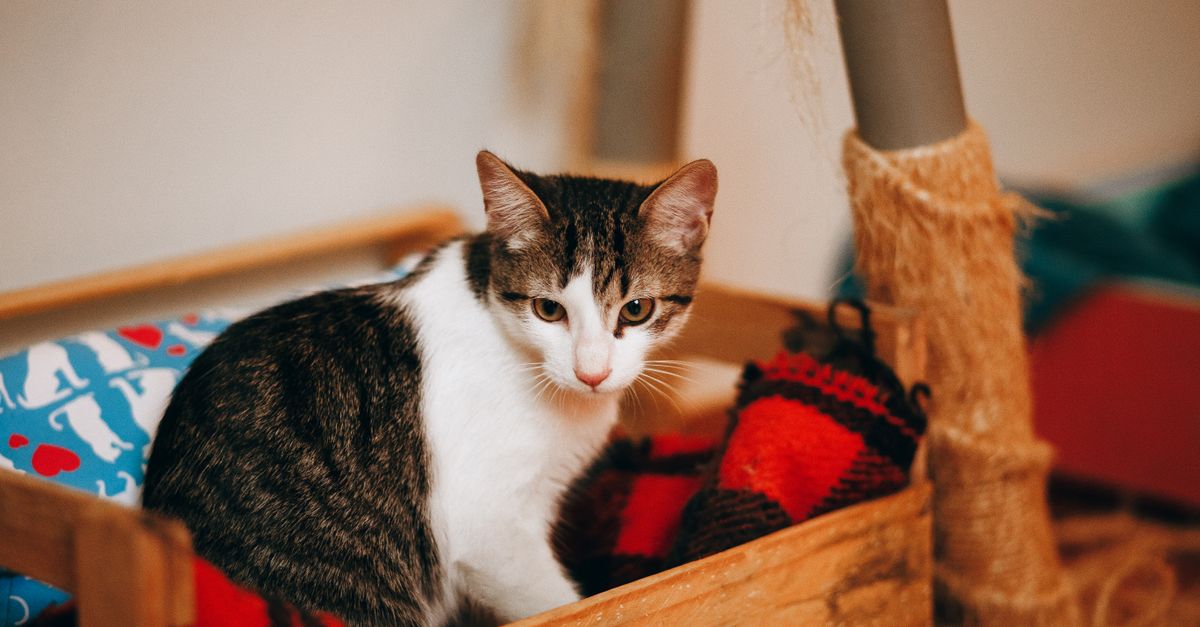
Every cat parent has been there: you invest in a beautiful, multi-level cat tree, envisioning your feline companion scaling it with joy, napping contentedly in its cubbies, and sharpening their claws on its sisal posts. You unbox it with excitement, spend an hour or two on assembly, and then… nothing. Your cat sniffs it once, maybe bats at a dangling toy, and then proceeds to nap in the cardboard box it came in, or, worse, continues to shred your sofa. It’s frustrating, expensive, and leaves you wondering if your cat is just ungrateful or if you did something wrong. In my experience, it’s rarely about the cat being ungrateful and almost always about a few overlooked factors in placement, design, and even your own behavior.
The mistake I see most often is that pet parents pick a cat tree based on what they like, or what looks good in their living room, rather than what truly appeals to a cat’s natural instincts. Cats aren’t just looking for a climbing post; they’re seeking security, vantage points, scratching surfaces, and places to scent mark and hide. If your cat tree isn’t delivering on these primal needs, it will gather dust. What changed everything for me was understanding that a cat tree isn’t just furniture; it’s a critical piece of their territory that needs to serve multiple, specific feline functions.
Key Takeaways
- Most cat trees are ignored because they fail to meet a cat’s core needs for security, height, and proper scratching surfaces.
- Strategic placement, not just aesthetics, is crucial for your cat to actually use their new tree.
- Introducing the tree gradually and reinforcing positive interactions can dramatically increase its appeal.
- A cat tree is a dynamic part of your cat’s environment and may require adjustments over time to remain engaging.
The Overlooked Power of Placement: Why Location is Everything (Not Just Looks)
When I first started fostering cats, I’d put cat trees in quiet corners, thinking the cats would appreciate the solitude. Big mistake. Cats are territorial, yes, but they also crave being part of the action, even if it’s just observing. A cat tree isn’t just a place to sleep; it’s a surveillance tower, a hunting perch, and a safe retreat all rolled into one.
The mistake I see most often is placing a cat tree in an isolated area or a high-traffic zone without a view. A cat tree that’s tucked away in a spare bedroom or an unused hallway is effectively invisible to your cat’s social mapping. Conversely, a tree placed in the middle of a bustling hallway where they can’t feel secure is just as unappealing. What actually works is finding a spot that offers both engagement and security.
Think like a cat: where would you feel powerful? Typically, this means a location with a good view of the room and an escape route. Ideal spots include:
- Near a window: This is often the gold standard. A window perch allows your cat to watch birds, squirrels, and neighborhood activity, satisfying their prey drive and intellectual stimulation. Make sure the window is safe and secure.
- In a main living area, but slightly off to the side: This allows your cat to observe family activity without being in the direct path of foot traffic. For example, near the end of a sofa, or beside a large bookshelf. They can see what’s happening and feel included, yet still retreat to a higher, safer spot.
- Near a heat source (but not too close): Many cats love warmth. A tree placed near a sunny spot or a gentle heat vent (ensuring it’s not a burn risk) can make it irresistible, especially in colder months.
In my own home, the most popular cat tree is directly in front of a large window overlooking the garden, with another smaller one at the corner of the living room, next to the main walkway but providing a high perch. Both locations offer excellent sightlines and a sense of being ‘in charge’ of their domain.
More Than Just Scratching: Why the Material and Design Choices Matter More Than You Think
Many cat trees come with sisal rope posts, and while sisal is generally good, it’s not a one-size-fits-all solution. Cats have preferences, just like people. Some prefer vertical scratching, some horizontal, and they have different textural likes. If your cat continues to scratch your velvet armchair instead of the sisal post, it’s not defiance; it’s a preference for the texture or the scratching angle.
The mistake I see most often is assuming all scratching surfaces are created equal, or that a tree’s design prioritizes feline comfort. Many budget-friendly cat trees use thin carpeting, flimsy posts, or platforms that are too small for an adult cat to comfortably stretch out or turn around. Remember, cats value stability, security, and a satisfying scratch.
What actually works involves a critical look at:
- Scratching Material Variety: Offer different textures. While sisal is common, consider trees with carpeted posts (different pile types), cardboard scratchers (vertical and horizontal), or even untreated wood branches. My cats have a clear preference for a specific type of tightly woven sisal over the shaggier kind. If your current tree isn’t working, add standalone scratchers with different materials nearby.
- Sturdy Construction: A wobbly cat tree is a terrifying cat tree. Cats need to feel secure when they leap and climb. Look for heavy bases, thick posts, and robust construction. If your existing tree is wobbly, consider securing it to a wall with L-brackets (discreetly, of course).
- Platform Size and Enclosures: Adult cats, especially larger breeds, need ample space. Platforms should be large enough for them to stretch out fully. Enclosed cubbies or ‘condos’ are excellent for providing a sense of security and a dark place to nap. A tree that offers a variety of perching options – open platforms, enclosed cubbies, and even hammocks – is often more appealing.
For example, I once bought a sleek, modern cat tree with small, circular perches. My large Maine Coon mix ignored it completely. He couldn’t fit! I eventually replaced it with one featuring wide, flat platforms and a large, enclosed cave. He’s now its biggest fan. Prioritize function and cat-specific ergonomics over human aesthetics.
The Gentle Art of Introduction: Why You Can’t Just ‘Set It and Forget It’
Cats are creatures of habit and often wary of new things. Throwing a new, giant structure into their territory without proper introduction can be met with suspicion, not enthusiasm. They need time to investigate, to scent mark, and to understand its purpose.
The mistake I see most often is expecting instant adoption. Many pet parents assemble the tree and then wonder why their cat isn’t immediately jumping all over it. This is akin to buying a child a new toy and being confused when they don’t immediately drop everything to play with it.
What actually works is a gradual, positive introduction with enticing elements:
- Scent Familiarization: Rub a soft cloth on your cat’s cheeks and body to collect their scent, then rub that cloth on the cat tree. This helps them recognize their own scent and makes the tree feel less foreign and more like ‘theirs’. You can also try placing a familiar blanket or bed on one of the platforms.
- Treats and Toys: Place high-value treats on the lower levels of the tree. Use a wand toy to entice your cat to climb up, playing with them on each level. Make the tree a source of positive association. Reward them with treats and praise when they interact with it, even for a brief sniff.
- Catnip or Feliway: For some cats, a sprinkle of catnip on a scratching post or a spritz of Feliway (a synthetic feline facial pheromone) can make the tree instantly more inviting. Feliway helps create a calming, familiar environment.
- Patience and Persistence: Some cats will take days or even weeks to fully embrace a new cat tree. Don’t force them onto it. Just keep placing treats, playing near it, and making it an appealing, non-threatening part of their environment. In my experience, even the most suspicious cats eventually come around if you’re consistent with positive reinforcement.
I remember one particularly timid foster cat who would only approach the tree after I had gone to bed. I’d wake up to find catnip residue and shed fur on the top perch. It took a full week, but eventually, she was confidently napping up there during the day. Small, consistent efforts pay off.
Maintaining Interest: Keeping the Cat Tree a Prized Possession
Once your cat starts using the tree, don’t assume the work is done. Cats, especially indoor cats, can get bored with static environments. What was once novel and exciting can become just another piece of furniture if it doesn’t offer ongoing stimulation.
The mistake I see most often is neglecting the cat tree after the initial adoption. People assume once the cat uses it, it will always be their favorite spot. But cats thrive on novelty and continued interaction.
What actually works involves periodic refreshing and interaction:
- Rotate Toys: If your tree has dangling toys, rotate them out with new ones, or move them to different spots on the tree. Cats love novelty. You can even tie new string toys or feathers to existing posts.
- Rediscover with Play: Every few days, take a wand toy and engage your cat around and on the tree. Make it a fun, interactive hunting ground. Entice them to climb, pounce, and scratch.
- Cleanliness and Scent: Regularly vacuum the tree, especially carpeted areas, to remove old fur and dander. While you want their scent, too much old dander can be unappealing. After cleaning, you can re-apply familiar scents or catnip to refresh its appeal.
- Periodic Relocation (Carefully): If your cat completely loses interest, a slight relocation (even to another part of the same room) can sometimes rekindle curiosity. However, observe your cat’s reaction and don’t make drastic changes frequently.
I have one cat tree that sits in the living room. Every few months, I’ll move its main bed from the top perch to a mid-level cubby, or switch out the dangling mouse toy for a feather wand. These small changes, combined with regular play sessions involving the tree, keep it as exciting as the day it arrived.
Frequently Asked Questions
Q1: My cat loved the box the tree came in more than the tree itself. Why?
A1: Cats are naturally drawn to enclosed spaces for security and warmth, mimicking their wild instincts to hide in small dens. The box provides immediate, contained security and is often more appealing than a large, open, unfamiliar structure. Try placing the box (or another preferred small, enclosed space like a pet carrier with the door removed) on one of the cat tree’s platforms to transition their comfort and associate the tree with security. You can also cover one of the tree’s platforms with a blanket to create a more den-like feel.
Q2: How tall should a cat tree be to appeal to my cat?
A2: The ideal height depends on your cat’s personality and your home environment. Many cats prefer to be at the highest point in a room to survey their territory, so taller trees (up to ceiling height if safe and stable) are often very appealing. However, a shy cat might prefer a medium-height tree that offers a safe vantage point without being overwhelmingly exposed. Aim for a tree that allows your cat to be above eye level from at least one preferred spot, giving them a sense of security and dominance.
Q3: My cat is still scratching the furniture even with a cat tree. What gives?
A3: This usually means the cat tree’s scratching surfaces aren’t meeting your cat’s specific needs. Cats scratch to mark territory (visually and with scent from their paw pads), remove dead claw sheaths, and stretch. If your cat prefers a certain texture (e.g., carpet, cardboard, wood) or angle (vertical, horizontal, angled), the tree might not provide it. Try adding a variety of standalone scratchers in different materials and orientations near the furniture they prefer to scratch, and reward them heavily when they use the appropriate scratcher. Ensure the tree’s posts are tall enough for a full stretch.
Q4: Should I replace my cat tree if my cat ignores it completely?
A4: Not necessarily immediately. First, try addressing the issues mentioned in this article: check the placement (is it near a window or in a social area?), assess the stability and size of platforms, and try positive introductions with treats, toys, and catnip. If, after consistent effort, your cat still shows no interest, then consider a different style of tree. Perhaps a wall-mounted cat shelf system might appeal more, or a tree with different materials and configurations. Sometimes a fresh start with a more appropriate design is indeed the best solution.
Q5: Can I build my own cat tree to ensure it meets my cat’s needs?
A5: Absolutely! Building your own cat tree allows for complete customization in terms of height, platform size, materials, and stability. This is an excellent option if you have a large cat, specific design requirements, or just enjoy DIY projects. Just be sure to prioritize stability, use non-toxic materials, and incorporate various scratching textures and comfortable perching/hiding spots to maximize its appeal to your feline friend. There are many plans and tutorials available online for inspiration.
It’s easy to get frustrated when your cat ignores something you bought with the best intentions. But remember, your cat isn’t trying to spite you. They’re communicating their needs. By understanding their natural instincts for security, height, scratching, and observation, and by being strategic with placement and introduction, you can transform that ignored cat tree from an expensive piece of furniture into your cat’s favorite spot. Don’t give up on it just yet – a little feline-centric thinking can make all the difference.