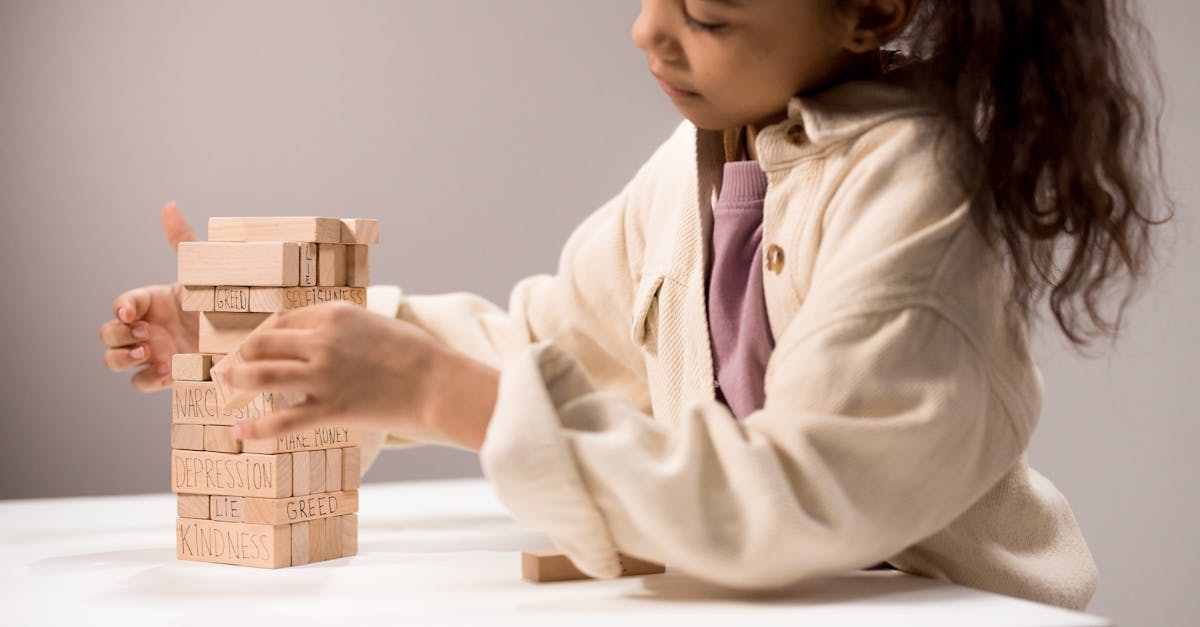
Picture this: You walk into the living room and see a crayon drawing on your freshly painted wall. “Who did this?” you ask, trying to keep your voice calm. Your 4-year-old, sitting right next to the masterpiece with a red crayon in hand, looks you dead in the eye and says, “Not me! It was the dog!”
Sound familiar? Every parent has been there, baffled by a child’s blatant lie, especially when the evidence is overwhelming. Our instinct might be to scold, to punish, or to demand an immediate confession. But what if I told you that our children’s lies are often not a sign of malicious intent, but rather a window into their developmental stage, their fears, or even their aspirations? The mistake I see most often is parents reacting to the act of lying without understanding the root cause. This reactive approach often backfires, creating a cycle of fear and secrecy rather than fostering honesty.
In my years working with families, I’ve learned that understanding why children lie is the first, most critical step to responding effectively. What changed everything for me, and for the families I’ve guided, was shifting the focus from catching a lie to building a foundation of trust where truth feels safe. This isn’t about letting children off the hook; it’s about teaching them the value of honesty in a way that truly resonates, without resorting to tactics that breed shame or resentment. Let’s delve into the hidden motivations behind children’s fibs and discover how to respond in a way that cultivates genuine integrity.
Key Takeaways
- Children often lie for reasons like avoiding punishment, seeking attention, wishful thinking, or protecting others, which are crucial to understand for effective responses.
- Reacting with anger or shaming tactics can inadvertently teach children to be better liars rather than more honest.
- Focus on building a safe, trusting environment where children feel secure enough to tell the truth, even when it’s difficult.
- Implement empathetic, problem-solving strategies that address the underlying reasons for the lie and teach accountability without excessive punishment.
The Developmental Stages of Lying: It’s Not Always Malice
The first, most profound insight I want to share is that lying isn’t a monolithic behavior. A 3-year-old’s imaginative story about a monster under the bed is fundamentally different from a 10-year-old fabricating a story about finishing homework. Understanding these developmental nuances is absolutely crucial.
Toddlers (Ages 2-4): The Birth of Imagination and Wishful Thinking
At this stage, what we perceive as ‘lies’ are often intertwined with a child’s burgeoning imagination and an underdeveloped grasp of reality. Their executive functions, which include the ability to inhibit impulses and distinguish fact from fiction, are still in their infancy. When your toddler says, “A dragon ate my vegetables!” they might genuinely believe it in that moment, or they’re exploring the power of their words to create alternative realities. They also struggle with the concept of cause and effect and may not fully grasp the impact of their words.
- My Experience: I’ve seen parents get incredibly frustrated when a 3-year-old insists they didn’t push their sibling, even when witnessed. What’s happening here isn’t necessarily deceit; it’s often a blend of wishful thinking (“I wish I hadn’t pushed them!”), a desire to avoid immediate negative consequences, and a limited ability to recall events accurately and articulate them. They might also be testing boundaries and the power of denial.
Preschoolers (Ages 4-6): Avoiding Punishment and Seeking Approval
As children move into the preschool years, their lies often become more intentional, primarily driven by a desire to avoid punishment or to gain approval. They’re beginning to understand societal rules and the concept of ‘right’ and ‘wrong,’ but their impulse control is still developing. The stakes feel incredibly high to them. A stern voice or a disapproving look can feel like a cataclysmic event.
- The Mistake I See Most Often: Parents, understandably, want to teach their child that lying is wrong. However, if the consequence for telling the truth about breaking a rule is always severe punishment, the child quickly learns that lying is a safer option. They’re not learning to value honesty; they’re learning to avoid punishment more effectively. This creates a cycle where the child becomes more adept at lying to escape consequences, rather than developing the internal motivation for truthfulness.
Early Elementary (Ages 6-8): Social Lies and Self-Preservation
In early elementary school, children become more sophisticated. Their lies might extend beyond just avoiding punishment to include ‘social lies’ – perhaps saying they like a gift they don’t, or exaggerating their abilities to fit in. They’re also more aware of how their actions impact others and might lie to protect a friend or themselves from embarrassment.
- Concrete Example: A child might tell their teacher they forgot their homework, when in reality, they just didn’t do it. The lie isn’t necessarily about malice; it’s about avoiding shame, embarrassment, or the extra work that might come from admitting they didn’t complete the task. They’re also increasingly aware of peer perception and might lie to maintain a certain image among their friends.
Later Elementary/Pre-Teens (Ages 9-12): Protecting Privacy and More Complex Motives
By this stage, children’s cognitive abilities are much more developed. Their lies can become more elaborate and strategic. They might lie to protect their growing sense of privacy, to test boundaries, or to navigate complex social situations. While they understand that lying is morally wrong, the perceived benefits (avoiding conflict, maintaining independence, protecting a secret) can outweigh the perceived risks.
- What Changed Everything For Me: I realized that by this age, simply saying “lying is bad” is often ineffective. We need to appeal to their sense of ethics, their desire for trust, and help them understand the long-term impact of dishonesty on relationships. It’s about discussing the consequences to trust, not just the immediate punishment.
The Real Reasons Kids Lie: Beyond ‘Being Naughty’
When a child lies, our immediate reaction is often to attribute it to them being ‘naughty’ or deliberately defiant. However, in my experience, the motivations are almost always more complex and often stem from understandable, even if misguided, places. Here are the most common underlying reasons:
To Avoid Punishment or Negative Consequences: This is arguably the most common reason. If a child anticipates a harsh reaction for making a mistake, breaking a rule, or failing at something, lying becomes a defense mechanism. They’re not thinking about the morality of lying; they’re thinking about survival in that immediate moment. The tradeoff: They perceive the pain of punishment as greater than the moral imperative to tell the truth. If we consistently punish the truth-teller more severely than the liar, we’re inadvertently teaching them to lie better.
To Seek Attention or Gain Something: Sometimes, a child might fabricate a story to become the center of attention, to impress others, or to get something they want (like an extra cookie or more screen time). This is particularly common in younger children who are still learning appropriate ways to express their needs and desires.
Wishful Thinking/Fantasy: Especially for younger children, the line between reality and fantasy is blurry. They might genuinely believe their exaggerated stories, or they might express a strong desire as if it were reality. “I saw a dinosaur at school!” might be a vibrant imagination at play, rather than a deliberate attempt to deceive.
To Protect Themselves or Others: A child might lie to avoid embarrassment, to save face, or to protect a sibling or friend from getting into trouble. This can be complex, as it stems from a pro-social instinct (protecting someone they care about), even if the method (lying) is problematic.
To Test Boundaries/Power: Lying can also be a way for children to test the limits of their parents’ authority and their own agency. Can they get away with it? How powerful are their words? This is a normal part of development as they assert their independence.
Low Self-Esteem or Fear of Failure: Children who are perfectionists, or who struggle with self-esteem, may lie to cover up perceived failures or shortcomings. They might feel intense pressure to be ‘good’ or ‘perfect,’ and lying becomes a way to maintain that image and avoid disappointing others.
Why Traditional Responses Often Fail (And Make Things Worse)
Most parents, with good intentions, respond to lying in ways that, unfortunately, can be counterproductive. These traditional methods, while aimed at teaching honesty, often inadvertently reinforce the behavior or create deeper issues.
1. The Interrogation and Shaming:
- The Scenario: “Look at me! Did you break this? Tell me the truth! Why are you lying to me? Only bad kids lie!” This approach often involves harsh tones, direct accusations, and sometimes public shaming.
- Why It Fails: This puts the child on the defensive immediately. When a child feels cornered, shamed, or intensely pressured, their primal response is often to retreat, deny, and escalate the lie to protect themselves. They’re not learning about the value of truth; they’re learning that telling the truth leads to pain and humiliation. It erodes trust and makes them less likely to confide in you in the future.
2. Immediate, Overly Harsh Punishments:
- The Scenario: “Because you lied, you’re grounded for a week! No TV for a month!” This is often applied without understanding the underlying reason for the lie or offering a path to redemption.
- Why It Fails: As discussed, if the punishment for telling the truth is more severe than the perceived consequence of the original misdeed, children will continue to choose lying. The focus becomes avoiding the punishment, not internalizing the importance of honesty. It teaches compliance through fear, not genuine integrity. A child might learn to not get caught rather than not to lie.
3. Labeling the Child as a ‘Liar’:
- The Scenario: “You’re such a liar! I can’t trust anything you say!”
- Why It Fails: Labeling a child attacks their identity. Children internalize these labels. If they hear repeatedly that they are a ‘liar,’ they may start to believe it and act accordingly. It becomes a self-fulfilling prophecy. We want to address the behavior of lying, not define the child by it.
4. Ignoring It Completely:
- The Scenario: Sometimes, out of exhaustion or a desire to avoid conflict, parents might ignore a clear lie.
- Why It Fails: While less damaging than shaming, ignoring deliberate lying can inadvertently send a message that it’s an acceptable behavior. Children need clear boundaries and guidance on ethical conduct. Ignoring can leave them confused about what’s expected and the importance of honesty in relationships.
In my practice, I’ve seen countless families get stuck in these cycles. The key is to break free from these ineffective patterns and adopt strategies that genuinely foster honesty and trust.
The Counter-Intuitive Strategy That Builds Honesty (Not Fear)
Instead of reacting with anger or immediate punishment, the most effective approach I’ve found is to prioritize building a safe, trusting environment where honesty is rewarded, and mistakes are seen as learning opportunities. This is a counter-intuitive approach because it requires us to manage our own frustration first. Here’s what actually works:
1. Prioritize Connection Over Correction (Initially):
- The Shift: Before you even address the lie, take a breath. Approach your child with a calm, curious demeanor, rather than an accusatory one. Your goal is to understand, not to punish right away.
- How it Works: “It looks like this vase is broken. I’m feeling a little sad about it. Do you know what happened?” This opens a door for them to share, rather than slamming it shut with an interrogation. If they still deny it, you can acknowledge their feeling: “It’s okay to feel worried about telling me, but it’s important that we’re honest with each other.” This validates their emotion while still holding the boundary for truthfulness. What changed everything for me was realizing that if I could get the child to tell me the truth, even if it was delayed, I had already won half the battle.
2. Create a ‘Safe Space’ for Truth-Telling:
- The Shift: Clearly communicate that while mistakes happen, lying makes things worse. Emphasize that you value their honesty above all else. This means being prepared to offer a lighter consequence for the original transgression if they come clean.
- How it Works: “When you tell me the truth, even if you’ve made a mistake, I can help you fix it. But when you lie, it breaks my trust, and then it’s harder for me to help you or believe you next time. You won’t be in as much trouble if you’re honest right now.” This is the critical trade-off. For a child to risk telling the truth, they need to perceive that the consequence of truth-telling is less severe than the consequence of lying and getting caught. This isn’t about no consequences for the original act, but about differentiating between the original act and the act of lying.
3. Focus on the Behavior, Not the Child:
- The Shift: Instead of saying, “You’re a liar,” focus on the specific act: “Lying is not okay in our family because it breaks trust.” This separates the child’s identity from the behavior.
- How it Works: “When you told me the dog drew on the wall, and I know it was you, it makes me feel like I can’t trust what you say. We need to find a way to make this right.” This approach helps the child understand the impact of their lie on others and their relationships, which is a far more powerful motivator for change than abstract moralizing or shaming.
4. Problem-Solve and Repair, Don’t Just Punish:
- The Shift: Once the truth is out (or established), involve the child in finding a solution to the original problem and repairing any damage caused by the lie.
- How it Works: “Okay, so you drew on the wall. What do we need to do to fix it? How can we clean it up? And how can we make sure this doesn’t happen again?” If the lie was to avoid a chore, the conversation might be: “Next time, if you’re feeling overwhelmed by chores, please tell me. We can figure out a plan together. But lying about doing it means it still needs to be done, and now I also feel like you didn’t trust me enough to be honest.” This teaches accountability and practical problem-solving skills.
5. Teach Empathy and the Impact of Lies:
- The Shift: Help your child understand why honesty is important by discussing the impact of their lies on others’ feelings and trust.
- How it Works: “When you told me you didn’t break the toy, even though you did, it made me feel sad and confused. It’s hard for me to believe you when you tell me things now, and that makes me sad because I love trusting you.” For older children: “If you tell your friend you’re coming to their party but then don’t show up and make up an excuse, how do you think that makes them feel? Do you think they’ll trust your word next time?” This helps them connect their actions to relational consequences, fostering a deeper understanding of integrity.
6. Be a Role Model for Honesty:
- The Shift: This is perhaps the most crucial. Children learn far more from what we do than what we say. If we tell ‘white lies’ or exaggerate, they notice.
- How it Works: Reflect on your own honesty. Do you tell your child you’ll be five minutes when you know it will be 30? Do you fabricate excuses to avoid social engagements? When you make a mistake, do you admit it? “Oops, I told you we were leaving in 5 minutes, but it’s actually going to be more like 15. My mistake.” Model taking responsibility and the importance of keeping your word. This builds a foundation of authenticity that your children will naturally absorb.
It takes patience, consistency, and a willingness to examine our own reactions, but by implementing these strategies, we can transform challenging moments of dishonesty into powerful lessons that build character, trust, and genuine integrity in our children.
Frequently Asked Questions
What if my child lies habitually? Is that a sign of a deeper problem?
If a child lies frequently and compulsively, it could indicate underlying issues such as anxiety, low self-esteem, or even trauma. It’s also possible they’re in an environment where the perceived consequences of telling the truth are consistently too high. While most childhood lying is developmentally normal, persistent, elaborate, or harmful lying that doesn’t respond to typical guidance warrants a conversation with a pediatrician, school counselor, or child psychologist to explore potential root causes and develop a supportive plan.
How can I distinguish between a lie and a child’s vivid imagination?
For very young children (ages 2-4), it can be difficult. A good rule of thumb is to consider the context and the child’s developmental stage. If the story is fantastical (e.g., about monsters or magic), it’s likely imagination. If it’s a denial of a clear misdeed with obvious evidence (e.g., crayon on the wall, food on the floor), it’s more likely a protective lie. Instead of directly accusing, you can say, “That’s an interesting story! But I also see the crayons on the floor next to the wall. What do you think really happened?” This acknowledges their creativity while gently guiding them back to reality and accountability.
Should I ever just let a lie go?
For minor, developmentally appropriate ‘lies’ (like a toddler’s fantasy), it’s often best to acknowledge their imagination and then gently redirect to reality or the task at hand without making a big deal of the ‘lie.’ For deliberate lies, however, it’s generally important to address them, even if subtly. Ignoring persistent or significant lies can send the message that honesty isn’t valued or that lying is an effective way to avoid accountability. The key is how you address it – with understanding and a focus on building trust, not with shaming or harsh punishment.
What’s the difference between a ‘white lie’ and a harmful lie, and how should I teach my child about them?
A ‘white lie’ is typically a harmless untruth told to avoid hurting someone’s feelings or causing minor social awkwardness (e.g., “That’s a lovely drawing!” when it’s not). A harmful lie is one that manipulates, deceives, or causes significant negative consequences. You can teach your child that while it’s kind to consider others’ feelings, there’s a delicate balance. Discuss scenarios: “It’s nice to say thank you for a gift even if it’s not your favorite, but it’s important to be honest if someone asks you directly about something important or if your lie impacts their trust or safety.” Emphasize that honesty, even when difficult, builds strong, reliable relationships.
My child lied to protect a sibling. How do I handle that?
This is a nuanced situation. Acknowledge the child’s loyalty and desire to protect their sibling: “I understand you wanted to help your brother, and that’s a kind thought.” Then, gently explain why lying, even with good intentions, isn’t the best way: “However, when you lied, it made it harder for me to trust you, and it didn’t help your brother in the long run. We need to be honest in our family, even when someone makes a mistake, so we can fix things together.” Address the sibling’s misdeed separately, ensuring the ‘protective’ child sees that honesty is valued and supported, not punished more harshly.
Navigating children’s lies is undoubtedly one of the trickiest aspects of parenting. It challenges our patience, tests our boundaries, and often triggers our own ingrained reactions. However, by shifting our perspective from one of accusation to one of understanding and trust-building, we can transform these moments. Remember, your goal isn’t just to stop the lie, but to cultivate a child who values honesty, understands its impact on relationships, and feels safe enough to tell the truth, even when it’s hard. Start by creating that safe space, model the behavior you wish to see, and consistently communicate that their honesty is valued above all else. This investment in trust will pay dividends far beyond the immediate moment, fostering a deeper, more resilient connection with your child.