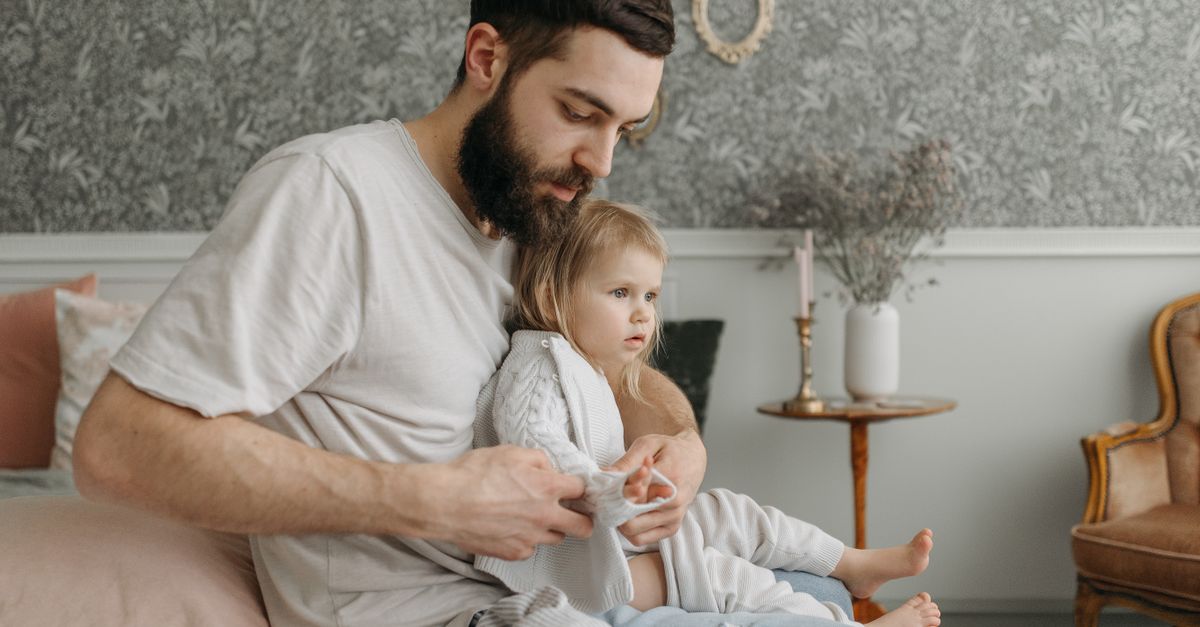
Does the mere mention of getting dressed send shivers down your spine? Do mornings feel like a battleground, strewn with discarded clothes and tearful protests? You’re not alone. I’ve heard countless parents, with weary eyes and frayed nerves, describe the daily struggle. They wonder if their child is simply being difficult, stubborn, or defiant. They worry if they’re doing something wrong. But in my years as a child psychologist, I’ve come to understand that this common morning standoff is rarely about defiance. It’s almost always about something deeper, something we, as adults, often overlook.
Think about it from a child’s perspective. Their world is often dictated by adult schedules, expectations, and demands. Get up. Eat this. Go here. Do that. For a young child, the act of getting dressed can feel like yet another command, another loss of control. It’s not about the shirt or the pants; it’s about autonomy, sensory experiences, developing skills, and even managing overwhelming emotions.
What changed everything for me, both professionally and personally, was shifting my perspective from my child is refusing to what need is my child trying to communicate? When you peel back the layers, you’ll find that their resistance isn’t a personal affront, but often a perfectly understandable, albeit frustrating, response to underlying factors. This article isn’t about quick fixes or tricking your child into compliance. It’s about understanding the why behind their resistance and offering strategies that foster cooperation, build independence, and transform your mornings from battlefields into opportunities for connection.
Key Takeaways
- Many children resist getting dressed due to a need for autonomy and control in their day.
- Sensory sensitivities to fabric textures, tags, or tight waistbands are often hidden culprits behind resistance.
- Developmental stages impact a child’s ability to dress independently and manage choices.
- Overwhelming choices or rushed transitions can trigger emotional resistance to getting dressed.
The Deep Need for Autonomy: When ‘No’ Means ‘My Choice’
The mistake I see most often is parents framing getting dressed as a non-negotiable command, similar to don't run into the street. While safety is paramount, choosing a shirt rarely falls into that category. For a child, especially a toddler or preschooler, their world is largely controlled by adults. They’re told when to eat, when to sleep, where to go, and what to do. The ability to make even small choices is incredibly empowering and vital for their developing sense of self. When we dictate every aspect of their getting-ready routine, we inadvertently stifle this crucial need for autonomy.
In my experience, a child who consistently resists getting dressed is often a child who feels a profound lack of control elsewhere. The no to the blue shirt isn’t about the color blue; it’s about saying yes to my choice. It’s their attempt to assert agency in a world that often feels overwhelming and pre-determined. They’re testing boundaries, not to be defiant, but to understand where their power lies.
What actually works is to consciously integrate choices into the routine. Instead of asking, Are you going to wear this shirt? (which invites a no), try Do you want the blue shirt or the red shirt today? Offer two acceptable options, not an open-ended question that leads to an endless negotiation. For younger children, laying out two outfits for them to pick from can be incredibly effective. Even allowing them to choose their socks or underwear can satisfy that core need for control. This small shift acknowledges their burgeoning independence, reducing the need for them to fight for it in more disruptive ways. It’s about empowering them within safe, defined boundaries, which ultimately leads to more cooperation and less conflict.
Unmasking Sensory Sensitivities: When Clothes Actually Hurt
Many parents find themselves utterly baffled by their child’s intense aversion to certain clothes. But it's soft! It's new! Everyone wears jeans! they exclaim. What they often don’t realize is that for a child with sensory sensitivities, a soft sweater might feel like sandpaper, a seamless sock could have an invisible bump, or a tag might itch with the intensity of a thousand mosquito bites. This isn’t pickiness; it’s genuine physical discomfort that can be incredibly distressing for a child.
I recall working with a family whose son had daily meltdowns over his clothes. They’d tried everything – bribery, logical explanations, even forced dressing. When we explored the why, it became clear he had significant tactile sensitivities. Certain textures, tight waistbands, and even the feeling of seams against his skin were genuinely painful for him. He wasn’t being naughty; he was experiencing sensory overload and his resistance was a legitimate self-protective response.
The hidden cost of ignoring these sensitivities is immense. It can lead to increased anxiety, daily power struggles, and a child who feels misunderstood and unheard. What actually works is adopting a sensory detective mindset. Pay close attention to your child’s reactions: Do they squirm? Tug at clothes? Complain about specific spots? Try clothing items with different textures, materials (cotton, bamboo, fleece), and fits. Cut out all tags. Seek out seamless socks or underwear. Look for soft, breathable fabrics with loose fits. Some children prefer compression, so experiment with a snug undershirt if other options fail. Allowing your child to touch and choose clothes based on feel, rather than just appearance, can make a world of difference. This isn’t indulging them; it’s respecting their unique sensory experience and building trust that you will listen to their physical needs.
Developmental Roadblocks: More Than Just ‘Can’t’ — It’s ‘Learning To’
Another layer of resistance often stems from a mismatch between parental expectations and a child’s actual developmental stage. We see our child running, jumping, and speaking in full sentences, and assume they should be able to manage the simple task of getting dressed. However, dressing involves a complex array of fine motor skills, gross motor skills, cognitive sequencing, and bilateral coordination that develop gradually over time.
Consider a three-year-old trying to put on a shirt: they need to orient the shirt correctly, find the armholes, push their arms through, and then pull it down over their head – all while maintaining balance and spatial awareness. Buttons, zippers, and tying shoelaces are even more advanced tasks. When we expect them to do tasks beyond their current capabilities, it often leads to frustration, a sense of failure, and ultimately, resistance.
What changed everything for me when addressing this was to really break down the steps and observe. Is the child struggling with specific movements? Are they overwhelmed by the sequence? Instead of just saying put on your pants, try first, one leg in, then the other. Offer clothing that is easy to manage: elastic waistbands instead of buttons, slip-on shoes instead of laces, and loose-fitting tops. Provide backwards chaining assistance: you do the first few steps, and they finish the last one (e.g., you start pulling up the pants, and they pull them over their hips). Gradually, as their skills develop, you can reduce your assistance. This approach fosters a sense of accomplishment, builds confidence, and transforms a frustrating chore into a series of achievable learning steps. Remember, independence isn’t rushed; it’s carefully cultivated with patience and scaffolding.
The Overwhelm of Choice and Rushed Transitions: The Silent Triggers
Mornings, for many families, are a symphony of urgency. We're late! Hurry up! We need to go! This frantic pace, coupled with an excessive number of clothing options, can be a potent cocktail for a child’s resistance. Young children thrive on predictability and calm transitions. When they’re presented with a closet overflowing with clothes and then rushed through the selection and dressing process, it triggers a fight-or-flight response. The resistance isn’t about the clothes; it’s about the overwhelming sensory and emotional experience of a chaotic morning.
I’ve worked with parents who, with good intentions, offered their child a choice from 10 different outfits. While autonomy is good, too much choice for a young child can be paralyzing. Their developing brains struggle to process numerous options, leading to decision fatigue and, paradoxically, a feeling of being overwhelmed rather than empowered. Add to that the constant pressure of hurry up, and you have a recipe for meltdowns.
What actually works is to simplify the getting dressed process and build in gentle transitions. Limit choices to two or three pre-selected, weather-appropriate outfits. Present them clearly and calmly. Do you want the striped dress or the polka-dot one? Give a five-minute warning before it’s time to get dressed, allowing them to mentally prepare to switch activities. Using visual schedules with pictures of the morning routine, including getting dressed, can also provide a sense of predictability and control. What changed everything for me in my own home was playing a specific getting ready song. The song signaled a transition, made it fun, and provided a gentle rhythm to our mornings. Remember, slow and steady wins the race, especially when it comes to a child’s cooperation. A few extra minutes of calm preparation can save you hours of struggle.
Frequently Asked Questions
How can I make getting dressed more fun for my child?
Incorporate playful elements! Turn it into a game: Let's see how fast you can put on your shirt like a superhero! or Can you find the matching socks? Use songs, silly voices, or pretend the clothes are costumes for an adventure. Letting them pick a special getting dressed playlist can also add a fun, personalized touch.
My child insists on wearing the same outfit every day. How do I handle this?
This is often a control issue or a sensory preference. Offer limited choices, including the preferred outfit, for a few days. You can wear your favorite shirt today, or the red one. If it’s a sensory issue, discreetly buy multiple identical items of the preferred clothing. Over time, gently introduce similar textures or colors as additional options, always respecting their comfort level.
What if my child still refuses after I’ve tried everything?
If resistance is persistent, intense, or accompanied by other developmental concerns (e.g., extreme sensitivity to touch, delayed motor skills, communication challenges), it’s always wise to consult with a pediatrician or an occupational therapist. They can assess for underlying sensory processing disorder or motor planning difficulties and provide tailored strategies and support.
Should I just dress my child myself to avoid the fight?
While it might offer temporary relief, consistently dressing your child yourself can inadvertently reinforce their resistance and hinder their development of independence and self-help skills. The goal is to empower them. Reserve adult-led dressing for truly urgent situations or when you’ve exhausted other strategies after a calm, guided attempt, always explaining why you’re stepping in.
How long should I expect the getting dressed struggle to last?
This varies greatly by child and the underlying reasons for resistance. With consistent, empathetic strategies that address autonomy, sensory needs, and developmental stages, you should see improvements over weeks and months. Remember, it’s a marathon, not a sprint, and every small step toward cooperation is a victory.
Conclusion
Navigating the daily getting dressed dilemma doesn’t have to be a source of constant conflict. By shifting our perspective from viewing it as mere defiance to understanding the deeper needs our children are communicating, we can transform these challenging moments into opportunities for growth, connection, and skill-building. Remember, your child isn’t intentionally trying to make your life harder. They’re navigating their developing sense of self, their unique sensory world, and the complex demands of growing up.
Embrace patience, offer genuine choices, act as a sensory detective, and meet them where they are developmentally. These aren’t just strategies for getting clothes on; they’re investments in your child’s autonomy, emotional regulation, and overall well-being. Start small, be consistent, and watch as your mornings become a little bit calmer, and your child a little bit more cooperative. The next step is to choose one strategy from this article – perhaps offering two choices for their outfit or dedicating a specific getting dressed song – and implement it consistently for the next three days. Observe the difference, and build from there.


